Stress can change the way your body functions.
Some people notice a dry mouth when they are anxious, nervous, or under prolonged stress.
The sensation may become particularly noticeable at night, when there are fewer distractions.
Stress can also influence sleep quality and breathing patterns.
For example, someone who is anxious may breathe differently or sleep poorly, which can compound the sensation of dryness.
Relaxation techniques, regular physical activity, adequate sleep, and addressing the underlying source of stress may help.
But persistent dry mouth should not automatically be blamed on stress when other symptoms are present.
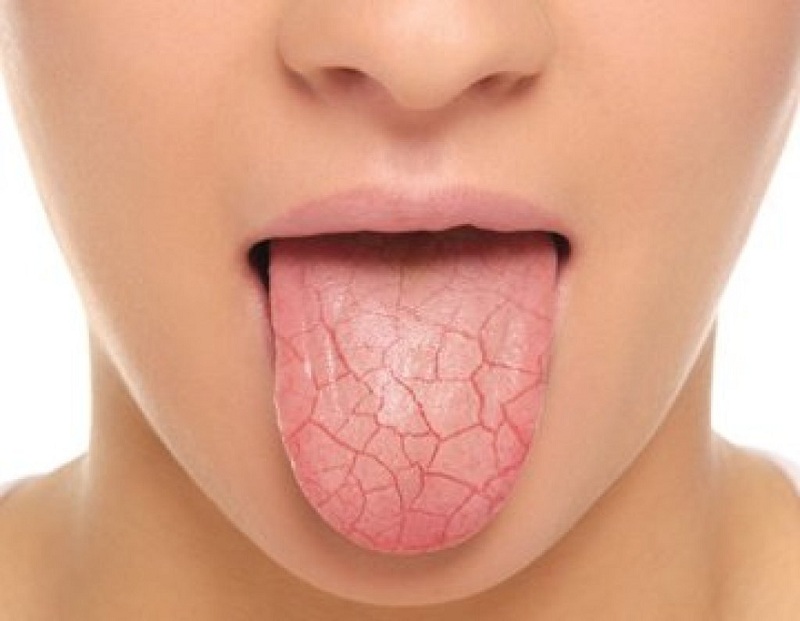
8. Diabetes Can Sometimes Be Associated With Dry Mouth
Persistent dry mouth can sometimes occur alongside diabetes, particularly when blood glucose is poorly controlled.
High blood glucose can increase urination, which may contribute to fluid loss and thirst.
Some people may notice:
-
Frequent thirst
-
Frequent urination
-
Fatigue
-
Blurred vision
-
Unexplained weight changes
These symptoms can have many causes, but persistent thirst and dry mouth together may be worth discussing with a healthcare professional.
A dry mouth by itself does not mean you have diabetes.
The important factor is the overall symptom pattern.
9. Certain Medical Conditions Can Affect Saliva Production
Some chronic medical conditions can interfere with saliva production or cause persistent oral dryness.
For example, certain autoimmune conditions can affect the glands responsible for producing saliva.
One condition associated with significant dryness is Sjögren's disease, which can cause persistent dry mouth and dry eyes.
Other medical conditions may also affect fluid balance, nerve function, or the salivary glands.
This is why dry mouth that continues despite reasonable hydration deserves evaluation.
10. Aging Can Change the Mouth—But Dry Mouth Isn't Simply “Normal Aging”
Older adults may experience dry mouth more frequently, but this does not necessarily mean that aging itself automatically causes severe dry mouth.
One major reason is that older adults are more likely to take multiple medications.
Some medications reduce saliva production, while others may increase fluid loss or alter the sensation of thirst.
Oral health conditions can also become more common with age.
Therefore, persistent dryness should not simply be dismissed as “part of getting older.”
Why Is Saliva So Important?
People often don't think about saliva until they don't have enough of it.
Saliva protects your teeth and the soft tissues inside your mouth.
It helps wash away food particles.
It buffers acids produced by bacteria.
It supports swallowing.
It contributes to taste.
When saliva is reduced for an extended period, the consequences can become more important.
Persistent dry mouth can increase the risk of: