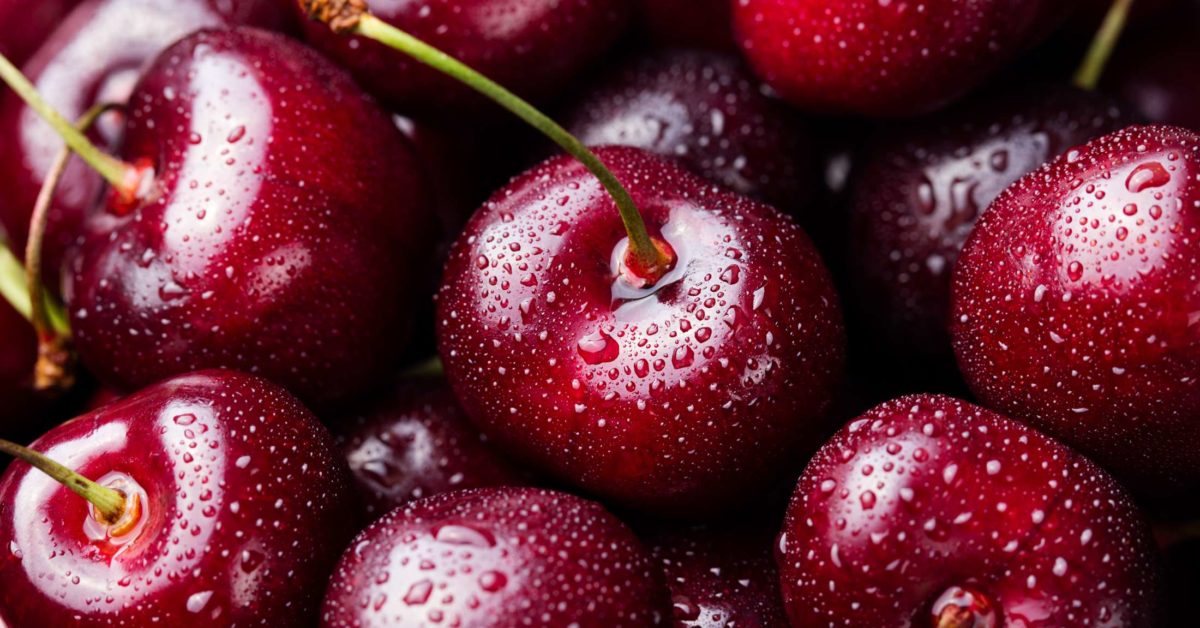
Cherries may be small, but they contain an impressive combination of nutrients and naturally occurring plant compounds. Their sweet-tart flavor makes them an easy addition to breakfasts, snacks, desserts, and salads.
Beyond their taste, cherries have attracted scientific interest because they provide fiber, vitamin C, potassium, and polyphenols, including anthocyanins—the compounds responsible for their deep red color.
Eating cherries regularly won't magically prevent disease or transform your health overnight. However, as part of a balanced diet, they can contribute valuable nutrients and may offer several potential health benefits.
Here are some of the ways your body may benefit when cherries become a regular part of your diet.

1. You Get More Antioxidant-Rich Plant Compounds
One of the most interesting features of cherries is their concentration of polyphenols.
These naturally occurring plant compounds include anthocyanins, which give many varieties of cherries their red, purple, or dark color.
Polyphenols have antioxidant and other biological activities that researchers continue to study.
Your body constantly produces reactive molecules as part of normal metabolism. Antioxidant systems help maintain balance and protect cells from oxidative stress.
However, it's important to remember that eating an antioxidant-rich food doesn't mean it will "remove all toxins" from your body.
Your liver and kidneys already perform the major functions involved in processing and eliminating waste.
2. Cherries May Support Heart Health
Cherries can fit well into a heart-healthy eating pattern.
They provide potassium, a mineral involved in:
-
Normal muscle function
-
Nerve signaling
-
Fluid balance
-
Blood pressure regulation
They also contain polyphenols that have been investigated for their potential effects on cardiovascular health.
However, eating cherries alone isn't a treatment for high blood pressure or heart disease.
Their greatest value comes from replacing less nutritious snacks or desserts as part of an overall healthy diet.
3. They May Help Support Healthy Blood Pressure
Potassium is particularly relevant to blood pressure because adequate potassium intake can help counterbalance the effects of sodium in the diet.
Cherries contribute potassium, although they are not among the very highest-potassium foods.
Combining them with other potassium-rich foods can create a more nutrient-dense diet.
Good options include:
-
Bananas
-
Potatoes
-
Beans
-
Lentils
-
Leafy greens
-
Yogurt
-
Avocados
If you have kidney disease or have been instructed to limit potassium, however, speak with your healthcare professional before significantly increasing high-potassium foods.
4. Cherries Provide Dietary Fiber
Whole cherries contain dietary fiber, which supports normal digestive function.
Fiber can help:
-
Promote regular bowel movements
-
Support a healthy gut microbiome
-
Increase feelings of fullness
-
Slow digestion of carbohydrates
A diet rich in fiber is associated with better long-term digestive and metabolic health.
When eating cherries, choose the whole fruit rather than relying primarily on cherry juice.
The whole fruit provides fiber that is largely lost during juicing.
5. They May Help With Exercise Recovery
Cherries, particularly tart cherries, have received considerable research attention in sports nutrition.
Some studies have investigated tart cherry juice or concentrated tart cherry products in relation to exercise recovery, muscle soreness, and inflammation.
Certain studies suggest potential benefits, particularly around strenuous exercise.
However, the evidence isn't strong enough to say that cherries are a guaranteed recovery treatment.
If you exercise regularly, cherries can still be a nutritious addition to your diet alongside:
-
Adequate protein
-
Complex carbohydrates
-
Sufficient fluids
-
Good sleep
-
Appropriate recovery time
6. Cherries May Support Healthy Inflammatory Responses
Anthocyanins and other polyphenols found in cherries have been studied for their effects on inflammatory pathways.
Some research suggests that consuming cherries or tart cherry products may influence certain markers associated with inflammation.
This is interesting because chronic, excessive inflammation is associated with many health conditions.
But there's an important distinction:
Cherries are not an anti-inflammatory medicine.
They may contribute to a healthy dietary pattern, but they shouldn't replace prescribed treatment for an inflammatory condition.

7. They May Be Helpful for People Concerned About Gout
Cherries have received particular attention in research involving gout, a condition associated with elevated uric acid and the formation of painful crystals in joints.
Some observational and clinical research has suggested that cherry consumption may be associated with a lower risk of gout attacks in certain people.
Scientists have proposed several possible mechanisms, including effects related to anthocyanins and uric acid metabolism.
However, cherries should not replace medical treatment.
If you have gout, continue following your healthcare professional's recommendations regarding medications, diet, alcohol, hydration, and uric acid management.
8. Cherries May Be a Smart Snack for Weight Management
Fresh cherries can be a satisfying alternative to highly processed sweets.
They contain:
-
Water
-
Fiber
-
Natural carbohydrates
-
Vitamins
-
Minerals
-
Plant compounds
Their sweetness can make it easier to choose fruit instead of candy or other desserts.
However, cherries still contain calories and natural sugars.
Eating very large quantities won't automatically help with weight loss.
The key is portion size.
A reasonable serving can fit comfortably into a balanced diet.
9. They Provide Vitamin C
Cherries contain vitamin C, although they are not among the richest sources compared with foods such as oranges, kiwi, strawberries, or bell peppers.
Vitamin C supports:
-
Normal immune function
-
Collagen production
-
Wound healing
-
Iron absorption
-
Protection of cells from oxidative stress
Eating a variety of fruits and vegetables is the best way to obtain sufficient vitamin C.
10. Cherries Can Support a Healthier Gut
The fiber and plant compounds in cherries may contribute to a healthy gut environment.
Dietary fiber reaches the large intestine, where gut microorganisms can ferment some types of fiber and produce beneficial compounds.
The relationship between specific fruits and the gut microbiome is still being researched.
Nevertheless, regularly eating a variety of plant foods is generally a good strategy for supporting microbial diversity.
11. What About Sleep?
This is one of the most interesting areas of cherry research.
Tart cherries naturally contain small amounts of melatonin, a hormone involved in regulating the sleep-wake cycle.
Some studies of tart cherry juice have reported improvements in certain sleep measures, particularly in older adults or people with sleep difficulties.
However, the evidence remains limited, and cherries should not be considered a replacement for proven approaches to treating insomnia.
If you have ongoing sleep problems, focus on fundamentals such as:
-
Consistent sleep and wake times
-
A dark, quiet bedroom
-
Limiting caffeine late in the day
-
Reducing screen exposure before bed
-
Regular physical activity
12. Fresh Cherries vs. Dried Cherries
Not all cherry products are nutritionally equivalent.
Fresh cherries
Provide:
-
Water
-
Fiber
-
Natural sugars
-
Vitamins
-
Minerals
-
Polyphenols
Frozen cherries
Can also be an excellent choice, especially when fresh cherries are out of season.
Dried cherries
Are more concentrated because much of the water has been removed.
Some varieties also contain added sugar.
Check the nutrition label before buying.
Cherry juice
Juice contains many of the compounds found in cherries but generally provides much less fiber than whole fruit.
Some commercial products also contain significant amounts of added sugar.
For everyday nutrition, whole cherries are usually the simplest choice.
How Many Cherries Should You Eat?
There isn't a medically required number of cherries that everyone needs to eat each day.
A typical serving of fresh cherries is around one cup, but your ideal portion depends on your overall diet, calorie needs, and health goals.
You don't need to eat cherries every day to benefit from them.
Think of them as one nutritious fruit among many.
A varied diet is better than relying heavily on a single "superfood."
Who Should Be Careful With Cherries?
For most healthy adults, cherries are safe as part of a balanced diet.
However, certain people may need to pay attention to portion size.
People With Diabetes
Cherries contain carbohydrates and natural sugars.
That doesn't mean people with diabetes need to avoid them.
Whole fruit can absolutely be part of a diabetes-friendly diet, but portions and overall carbohydrate intake matter.
People With Digestive Sensitivities
Cherries contain naturally occurring sugars called polyols, including sorbitol.
For some people, especially those with irritable bowel syndrome (IBS) or sensitivity to FODMAPs, large amounts may cause:
-
Bloating
-
Gas
-
Abdominal discomfort
-
Diarrhea
If you notice digestive symptoms after eating cherries, reducing the portion may help.
People With Kidney Disease
Cherries contain potassium.
If you've been advised to restrict potassium because of kidney disease, discuss your fruit intake with your healthcare professional.
Don't Eat the Cherry Pits
This is particularly important.
The hard pit inside a cherry contains compounds that can release cyanide when crushed or chewed.
Accidentally swallowing an intact pit usually does not cause poisoning because it generally passes through the digestive system intact.
However:
Never intentionally chew or crush cherry pits.
Keep whole cherries with pits away from young children, and remove the pits before serving cherries to children who may not be able to handle them safely.
Easy Ways to Add More Cherries to Your Diet
You don't need complicated recipes.
Try:
Breakfast
Add cherries to oatmeal, yogurt, or whole-grain cereal.
Smoothies
Blend cherries with unsweetened yogurt, milk, and other fruit.
Salads
Combine cherries with leafy greens, nuts, and a modest amount of cheese.
Snacks
Eat fresh cherries on their own.
Desserts
Use cherries to naturally sweeten plain yogurt instead of relying on heavily processed desserts.
Frozen Treat
Blend frozen cherries with plain yogurt for a simple homemade dessert.
The Bigger Picture: No Single Fruit Does Everything
It's tempting to see headlines claiming that one food can dramatically improve your health.
But nutrition doesn't work that way.
Cherries are nutritious, but they aren't a cure for:
-
Cancer
-
Diabetes
-
High blood pressure
-
Gout
-
Heart disease
-
Insomnia
Their benefits are best understood as part of an overall dietary pattern.
A healthy diet includes a wide variety of:
-
Fruits
-
Vegetables
-
Whole grains
-
Beans
-
Nuts and seeds
-
Fish or other quality protein sources
-
Healthy fats
Variety gives your body access to a much broader range of nutrients and plant compounds.
The Bottom Line
Eating cherries regularly can be a delicious way to add fiber, vitamin C, potassium, and beneficial plant compounds such as anthocyanins to your diet.
Research suggests that cherries, particularly tart cherries, may have potential benefits related to cardiovascular health, exercise recovery, inflammation, gout, and sleep, although the strength of evidence varies and more research is needed for many of these effects.
The most important point is not to think of cherries as a miracle food.
Instead, think of them as one small but nutritious part of a healthy eating pattern.
Choose whole cherries when possible, watch portions if you're sensitive to their natural sugars or FODMAPs, and always remove the pits before eating.
Sometimes, the healthiest foods don't need to be complicated.
A bowl of fresh cherries can be a simple, flavorful way to add more fruit to your day.