Tomatoes are one of the most common foods found on dinner tables around the world. They can be eaten raw in salads, cooked into sauces, added to soups, or simply sliced and served as a side dish. Because tomatoes are rich in water, vitamins, minerals, and plant compounds, they are often considered an easy way to add more nutrients to a meal.
But what happens when you eat tomatoes in the evening, especially later in the day?
For most healthy people, there is nothing inherently unhealthy about eating tomatoes at night. The body does not suddenly treat tomatoes differently simply because the sun has gone down. However, the timing, portion size, preparation method, and your individual digestive system can influence how you feel afterward.
For some people, tomatoes may be a refreshing and nutritious part of an evening meal. For others - particularly those prone to acid reflux or digestive discomfort - their natural acidity may cause unpleasant symptoms.
Here is what you should know.
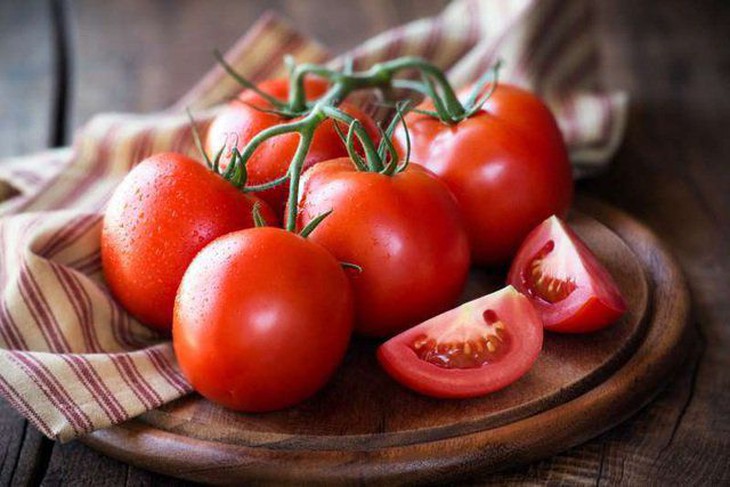
1. Tomatoes Can Be a Nutrient-Rich Evening Food
One of the biggest advantages of eating tomatoes in the evening is simply their nutritional value.
Tomatoes are relatively low in calories while providing several important nutrients. They contain vitamin C, vitamin K, folate, potassium, and various antioxidant compounds.
They also contain lycopene, a carotenoid responsible for much of the red color in ripe tomatoes.
Lycopene has attracted considerable scientific interest because it functions as an antioxidant in the body. Research has investigated associations between higher tomato and lycopene intake and various aspects of cardiovascular and metabolic health.
That does not mean eating tomatoes at night produces a special health effect. Rather, tomatoes can contribute useful nutrients to an overall balanced diet regardless of whether you eat them at breakfast, lunch, or dinner.
2. Their High Water Content May Help With Hydration
Tomatoes contain a substantial amount of water.
Eating water-rich foods as part of your meals can contribute to your overall fluid intake. This can be especially useful if your diet contains plenty of vegetables and fruits.
However, tomatoes should not be viewed as a substitute for drinking water.
If you are thirsty in the evening, drinking an appropriate amount of water remains the simplest way to address hydration.
There is also an important consideration: if you eat a large amount of tomatoes or other water-rich foods immediately before bed, you may simply need to urinate during the night.
For people who already wake up frequently to use the bathroom, large amounts of food or fluids close to bedtime may not be ideal.
3. Tomatoes Provide Antioxidants, Including Lycopene
Perhaps the most interesting compound in tomatoes is lycopene.
Lycopene is a fat-soluble carotenoid. It is found in particularly high amounts in red and pink fruits and vegetables, with tomatoes being one of the major dietary sources.
Interestingly, the way tomatoes are prepared can influence lycopene availability.
Cooking tomatoes and consuming them with a small amount of fat may increase the amount of lycopene that the body can absorb.
This is one reason tomato sauce, cooked tomatoes, or tomato-based dishes can still be highly nutritious.
However, there is an important distinction between eating tomatoes and taking concentrated lycopene supplements. A normal serving of tomatoes provides a combination of nutrients and plant compounds rather than one isolated substance.
4. Eating Tomatoes at Night Does Not Automatically Cause Weight Gain
One common misconception is that eating certain foods after a particular hour automatically causes weight gain.
The reality is more complicated.
Body weight is influenced by overall energy intake, energy expenditure, dietary patterns, physical activity, sleep, and many other factors.
A tomato eaten at 7 p.m. does not suddenly become a high-calorie food at 10 p.m.
In fact, fresh tomatoes are relatively low in calories. The bigger concern is often what is served with them.
For example, a tomato salad covered in a heavy dressing, cheese, processed meat, or large amounts of oil can contain substantially more calories than the tomatoes themselves.
Likewise, a tomato-based pizza or heavily processed tomato sauce may contain considerable amounts of refined carbohydrates, sodium, fat, or added sugar.
So when considering tomatoes and weight management, look at the entire meal, not simply the clock.
5. Some People May Experience Acid Reflux
This is where eating tomatoes in the evening can become relevant.
Tomatoes are naturally acidic. For people with gastroesophageal reflux disease (GERD) or sensitivity to acidic foods, tomatoes may trigger or worsen symptoms such as:
-
Heartburn
-
A sour taste in the mouth
-
Regurgitation
-
Burning in the chest or upper abdomen
-
Throat irritation
The problem may become more noticeable at night because lying down after eating can make reflux symptoms worse in susceptible individuals.
This does not mean everyone with reflux must completely eliminate tomatoes.
Food triggers vary considerably from person to person.
If you consistently notice heartburn after eating tomatoes in the evening, it may be useful to reduce the portion, avoid eating them immediately before lying down, and observe whether symptoms improve.
Persistent or severe reflux should be discussed with a healthcare professional.
6. The Form of Tomatoes Matters
Not all tomato dishes are nutritionally equivalent.
Fresh tomatoes are very different from highly processed tomato products.
For example, some commercial tomato sauces, ketchup, canned meals, and prepared dishes may contain:
-
Added sugar
-
High amounts of sodium
-
Large amounts of oil
-
Refined carbohydrates
-
Preservatives or other additives
This does not make these foods automatically unhealthy, but it means that the tomato itself may not be the main factor determining whether the meal is nutritious.
If you are trying to make your evening meal healthier, fresh tomatoes, lightly cooked tomatoes, or homemade tomato-based dishes can make it easier to control added salt, sugar, and fat.
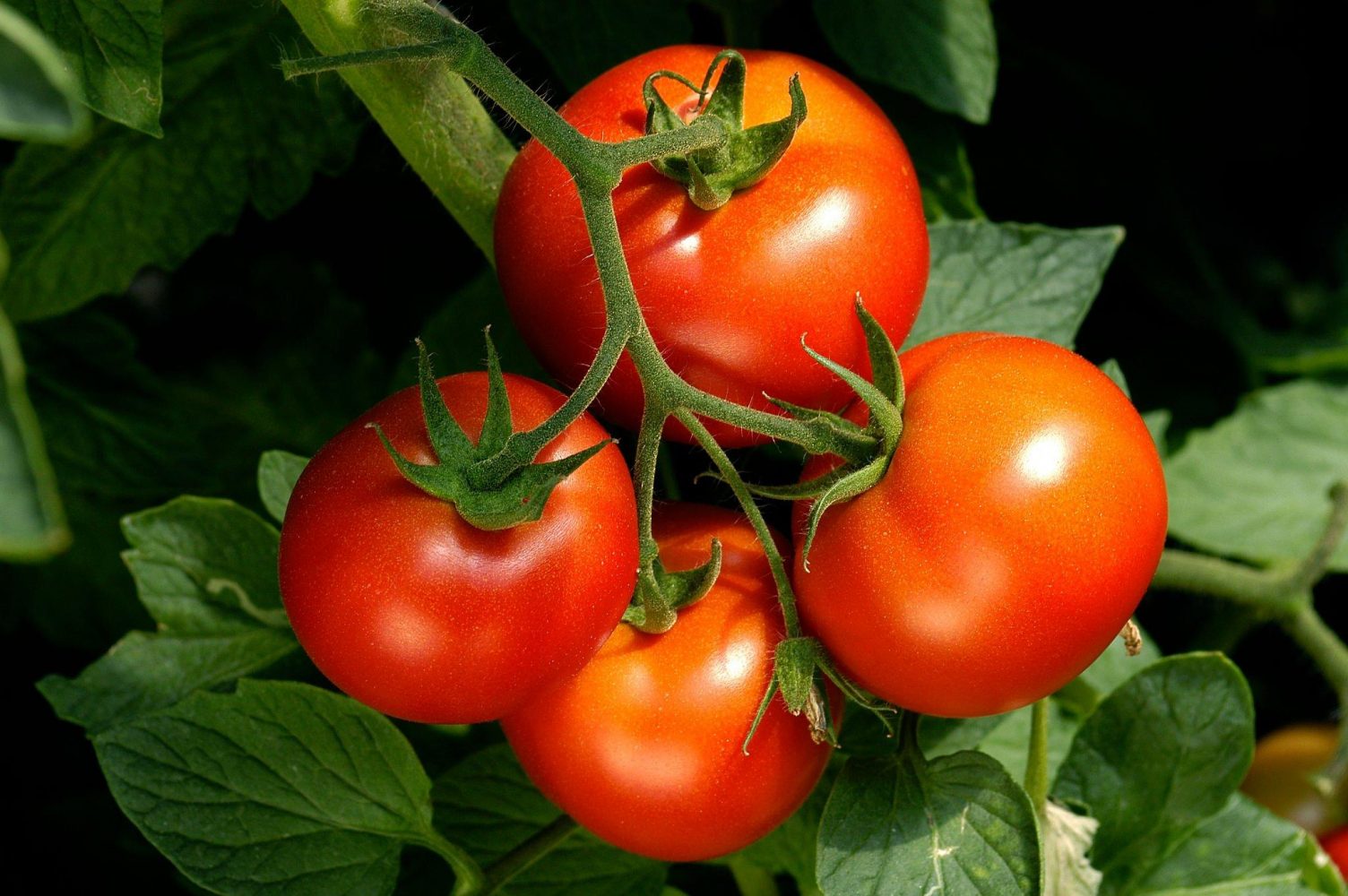
7. Tomatoes May Be Helpful for a Heart-Healthy Diet
Tomatoes can fit comfortably into a heart-conscious eating pattern.
They provide potassium and antioxidant compounds while generally being low in calories and saturated fat.
Dietary patterns rich in vegetables, fruits, whole grains, legumes, nuts, and other minimally processed foods are consistently associated with better cardiovascular health.
But it is important not to exaggerate the effect of one food.
Tomatoes are not a treatment for heart disease, high blood pressure, or high cholesterol.
Their potential contribution comes from being part of an overall healthy dietary pattern.