8. What About Eating Tomatoes Before Bed?
There is no strong reason for most healthy people to avoid tomatoes simply because bedtime is approaching.
However, eating a large meal immediately before lying down can be uncomfortable, particularly for people who experience reflux, indigestion, or bloating.
If tomatoes seem to bother you at night, consider eating them earlier in the evening.
You can also experiment with portion size.
Instead of eating a large bowl of tomatoes shortly before bed, try including a moderate amount with dinner several hours before sleeping.
Your own response can provide useful information.
9. Could Tomatoes Affect Blood Sugar?
Tomatoes contain natural carbohydrates, but a typical serving of fresh tomatoes is relatively low in carbohydrate.
For most people, tomatoes can easily fit into a balanced diet.
The bigger issue may be tomato-based foods containing additional ingredients.
For example, ketchup and some commercial tomato sauces can contain significant amounts of added sugar.
If you have diabetes or are monitoring your blood glucose, pay attention not only to the tomato itself but also to the portion size and the foods accompanying it.
A fresh tomato paired with protein, vegetables, and a source of healthy fat is very different from a highly processed meal containing tomato sauce, refined carbohydrates, and added sugar.
10. Tomatoes and Digestive Health
Tomatoes contribute some fiber, particularly when eaten whole.
Fiber is important for normal bowel function and overall digestive health.
However, people respond differently to foods.
Some individuals may find tomatoes easy to digest, while others may experience discomfort, especially when eating large amounts.
People with certain gastrointestinal conditions may also have individual food triggers.
If a particular food repeatedly causes symptoms such as abdominal pain, diarrhea, severe bloating, or reflux, it is worth discussing the pattern with a healthcare professional rather than assuming the food is universally harmful.
11. Can Tomatoes Improve Sleep?
You may encounter claims that eating tomatoes at night can dramatically improve sleep.
There is not enough evidence to support such a strong claim.
Tomatoes contain several nutrients and plant compounds that contribute to a healthy diet, but that does not mean eating a tomato before bed acts as a sleep treatment.
Sleep quality is influenced by much broader factors, including:
-
Consistent sleep schedules
-
Light exposure
-
Stress
-
Caffeine
-
Alcohol
-
Physical activity
-
Sleep environment
-
Medical conditions
-
Sleep disorders
If you are having persistent difficulty sleeping, changing one food is unlikely to solve the underlying problem.
12. Who Should Be More Careful With Evening Tomatoes?
Most people can enjoy tomatoes safely.
However, certain individuals may want to pay closer attention to their body's response.
People with acid reflux
If tomatoes consistently trigger heartburn, eating them late at night may make symptoms more noticeable.
People with sensitive digestion
Large portions may cause discomfort in some individuals.
People watching sodium intake
Fresh tomatoes are naturally different from processed tomato products. Canned sauces, soups, and prepared foods may contain much more sodium.
People monitoring blood sugar
Fresh tomatoes can fit into many diabetes-friendly diets, but tomato-based processed foods may contain added sugars and refined carbohydrates.
People with food allergies or sensitivities
True tomato allergy is uncommon but possible. Symptoms such as swelling, hives, difficulty breathing, or severe reactions require prompt medical attention.
So, Should You Stop Eating Tomatoes at Night?
For most healthy people, there is no general reason to stop eating tomatoes in the evening.
The idea that tomatoes become harmful simply because they are eaten after a certain hour is not supported by good evidence.
Instead, consider how much you eat, how the tomatoes are prepared, what you eat with them, and how your body responds.
A fresh tomato with a balanced dinner can be a nutritious choice. If you have reflux, however, you may find that eating tomatoes earlier in the day—or reducing your portion—helps prevent nighttime discomfort.
The key is not to fear the clock.
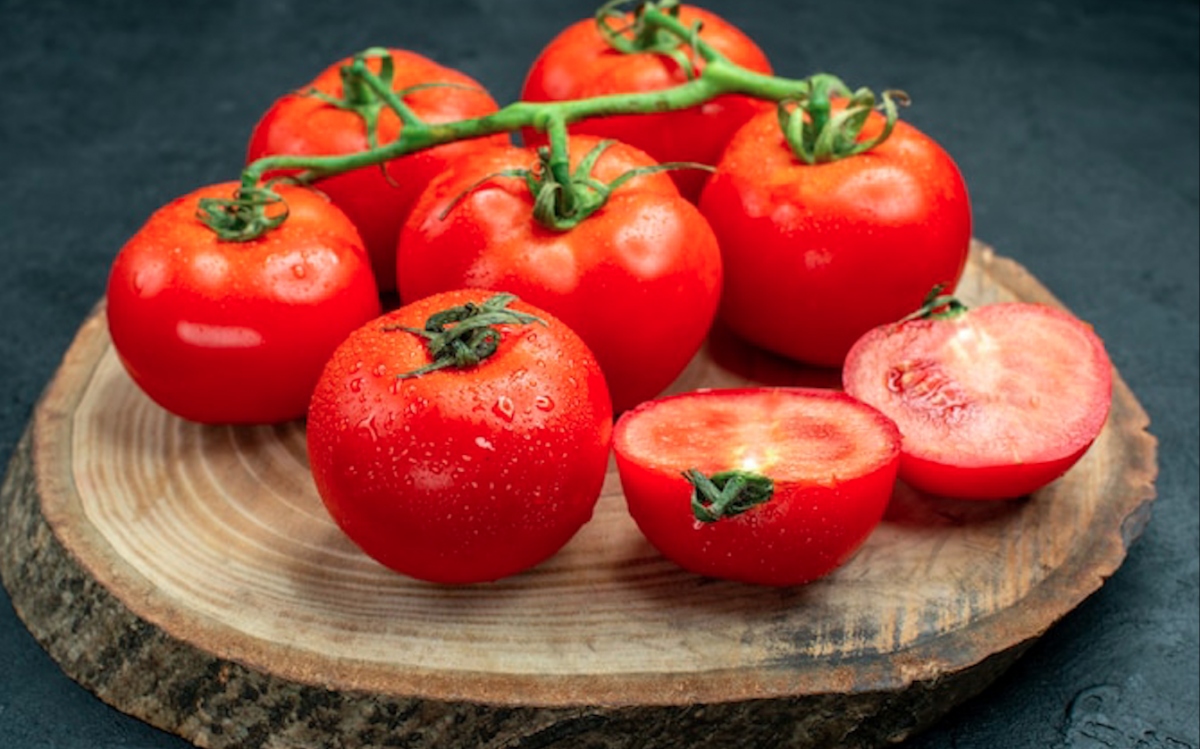
The Bigger Picture Matters More Than the Time
Nutrition rarely comes down to one food or one hour of the day.
What matters much more is your overall dietary pattern.
A diet that regularly includes vegetables, fruits, legumes, whole grains, lean proteins, nuts, seeds, and healthy fats can provide a broad range of nutrients.
Tomatoes can easily be part of that pattern.
Whether you eat them in a salad at lunch, cooked into dinner, or alongside another meal in the evening, their nutritional value does not suddenly disappear when nighttime arrives.
The surprising truth is that eating tomatoes in the evening is neither a miracle health habit nor something most people need to fear.
For many people, they are simply a nutritious vegetable - although botanically, tomatoes are fruits—that can be enjoyed as part of a balanced diet.
And if your body repeatedly tells you that tomatoes at night cause heartburn or digestive discomfort, that is worth paying attention to. Your individual response matters.
Ultimately, the healthiest approach is not to ask whether tomatoes are “good” or “bad” at night, but to consider your overall diet, your portion sizes, your health conditions, and how you personally tolerate them.