BLACK GARLIC vs REGULAR GARLIC: WHAT’S THE REAL DIFFERENCE?
4
Black garlic has been hyped everywhere—from health blogs to high-end kitchens. People call it a “superfood upgrade” of regular garlic. But is it actually better, or just trending?
Let’s break it down clearly—nutrition, benefits, and what actually matters.
1. WHAT IS BLACK GARLIC?
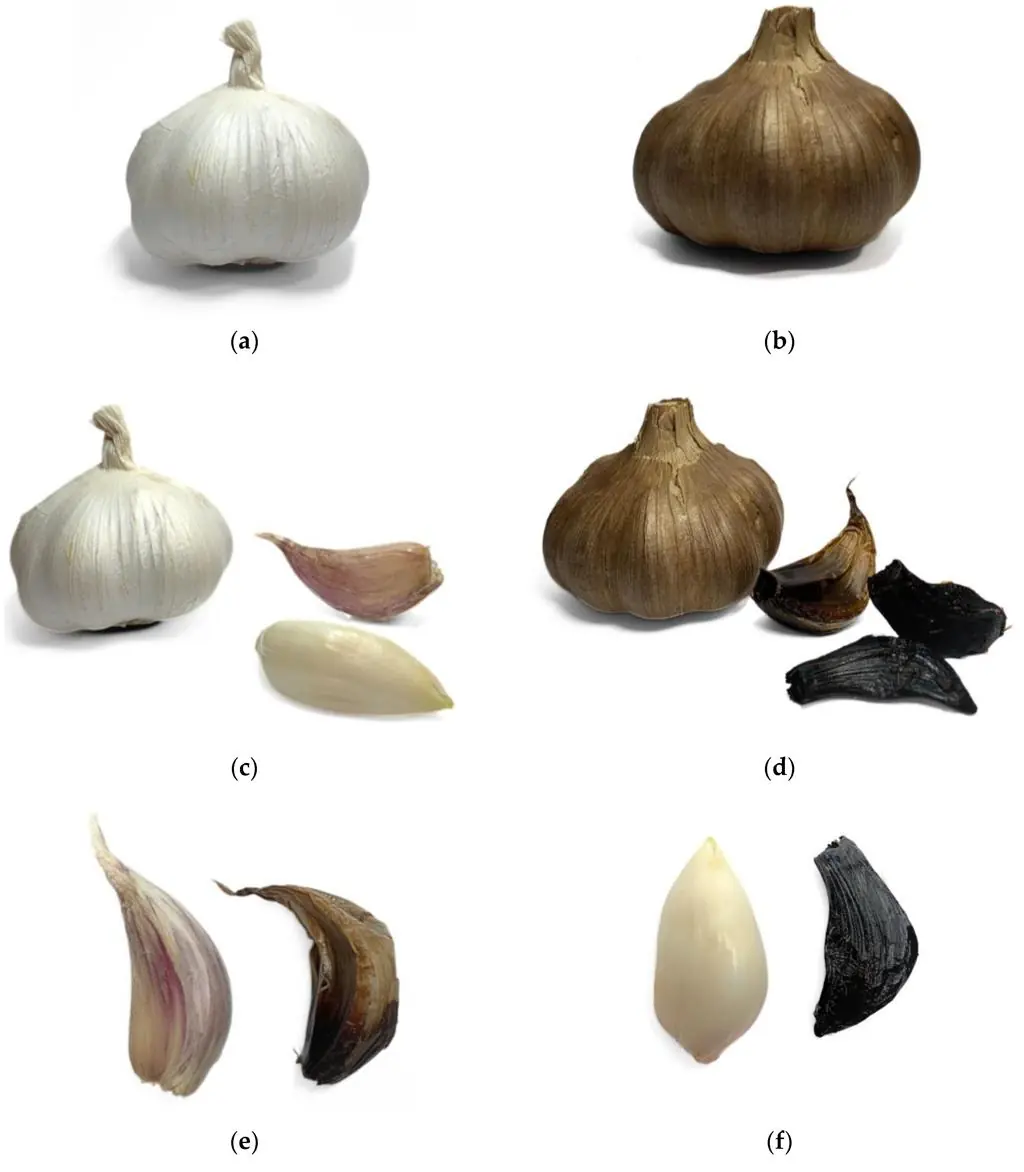
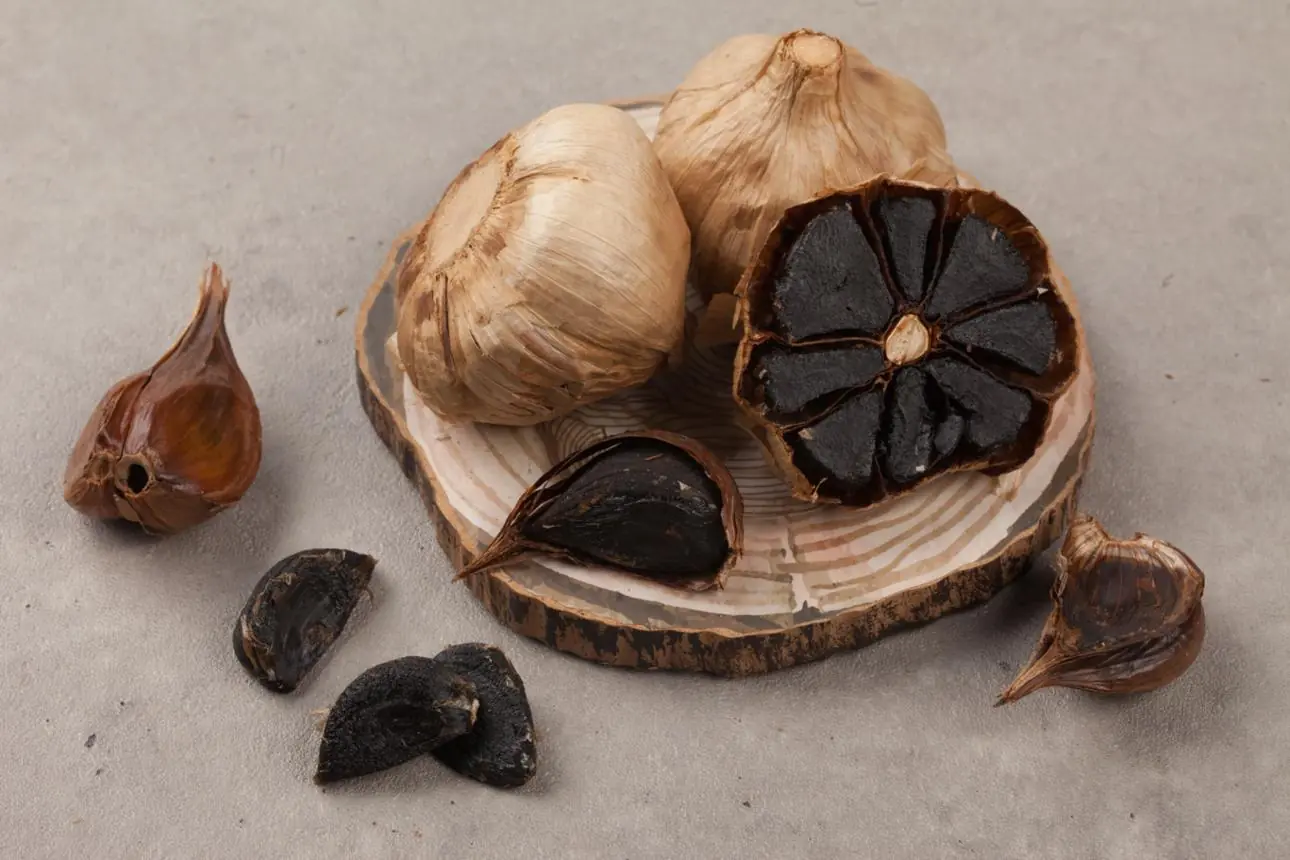
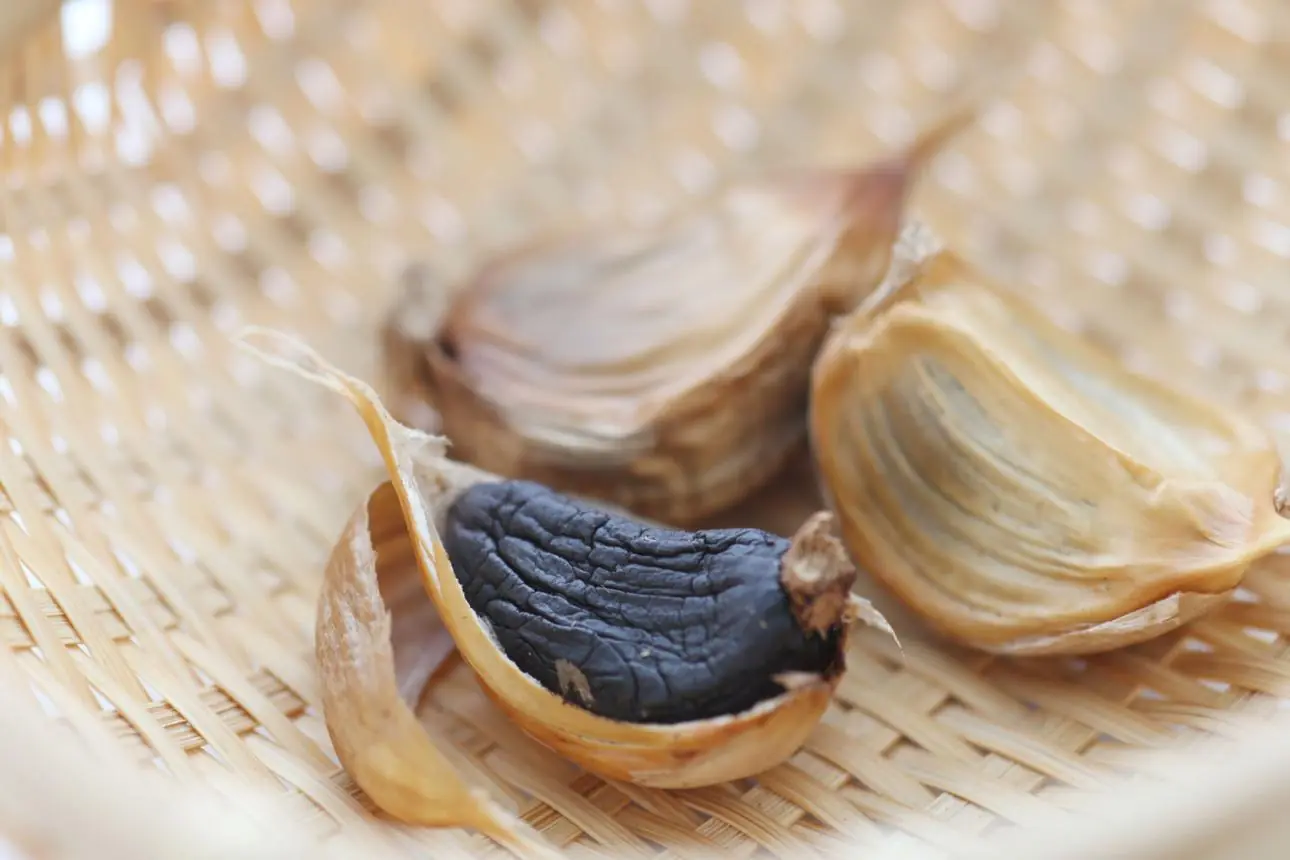
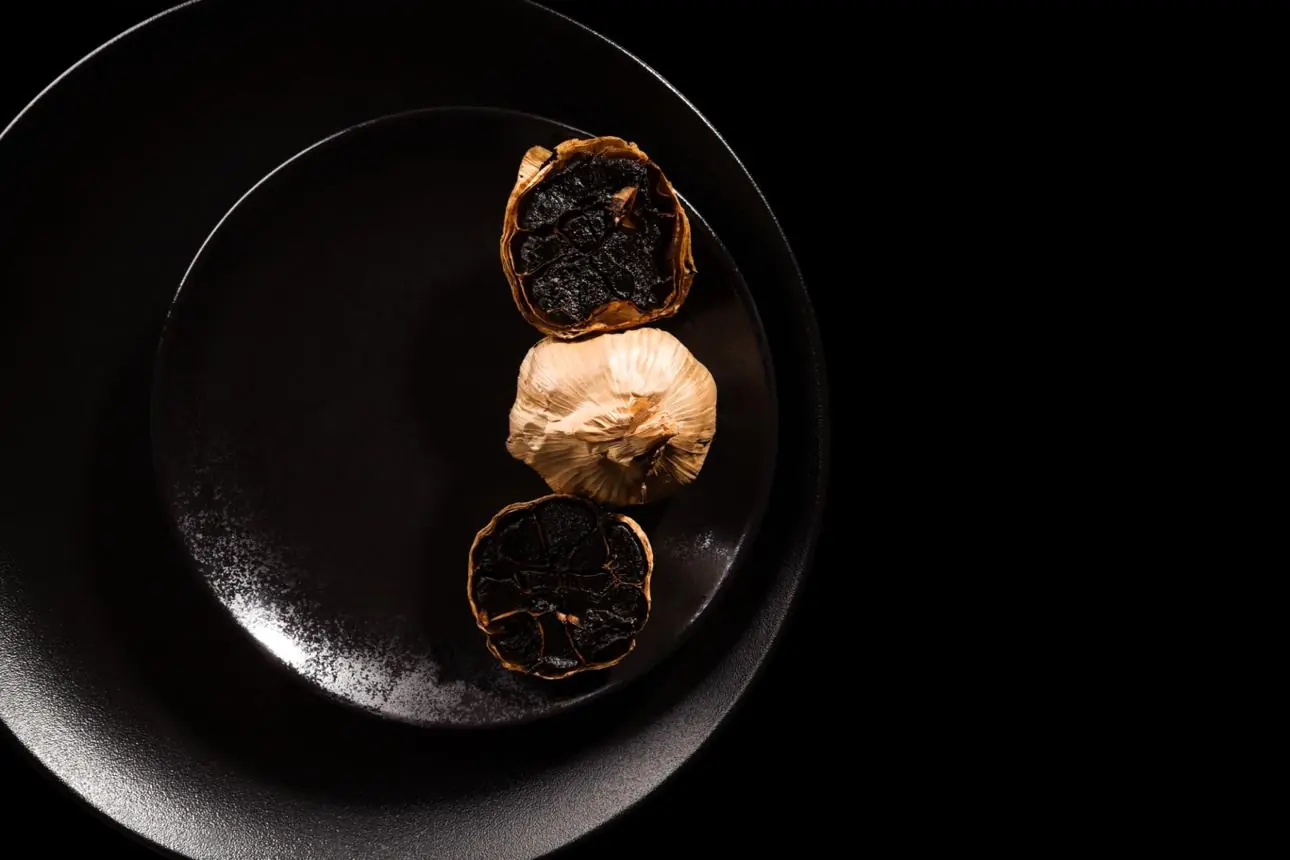
Black garlic isn’t a different plant. It’s just regular garlic that has been aged (fermented) under controlled heat and humidity for weeks.
During this process:
- The cloves turn black
- Texture becomes soft and sticky
- Taste shifts from sharp → sweet, umami, almost like dried fruit
No chemicals, no additives—just time and heat.
2. NUTRITIONAL DIFFERENCES
Here’s where things get interesting.
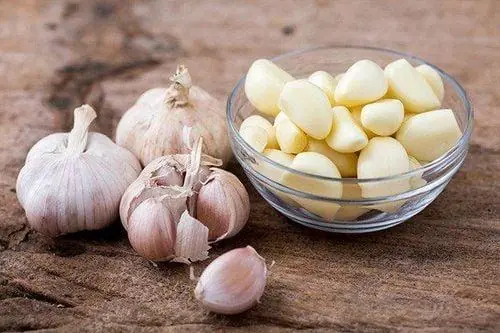
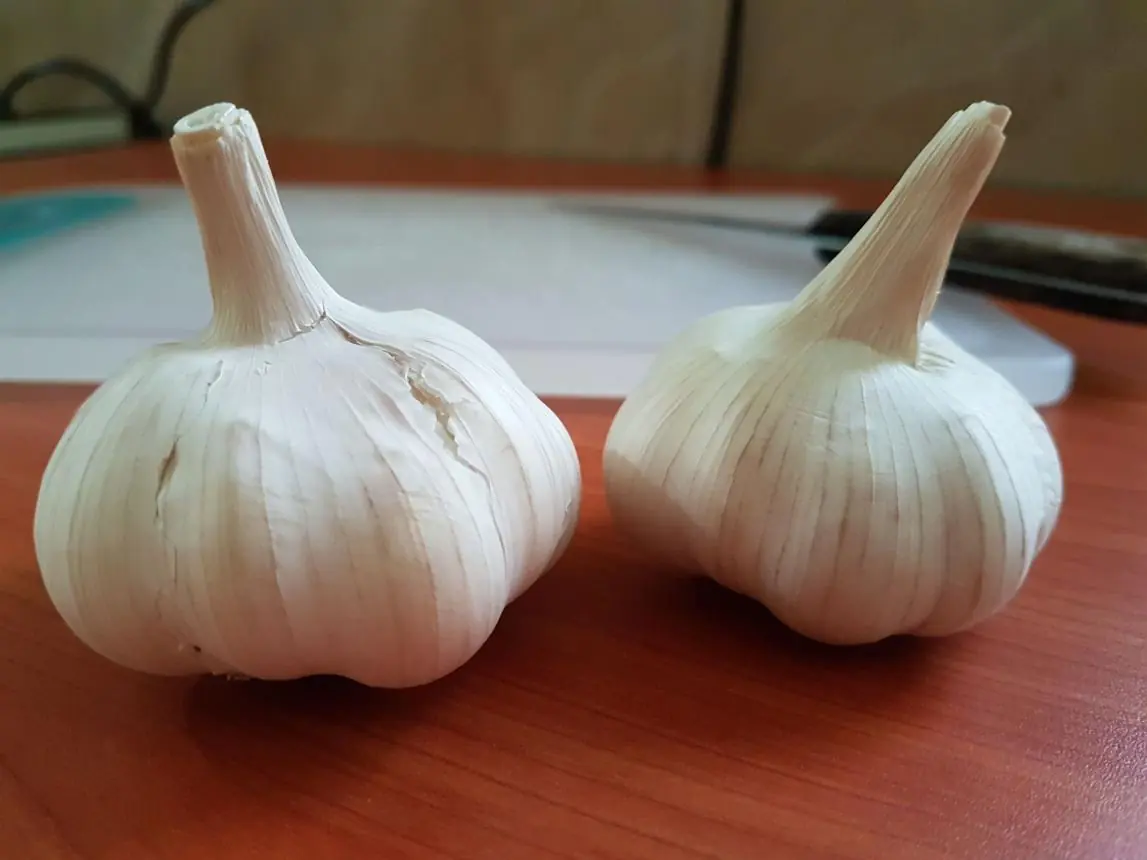
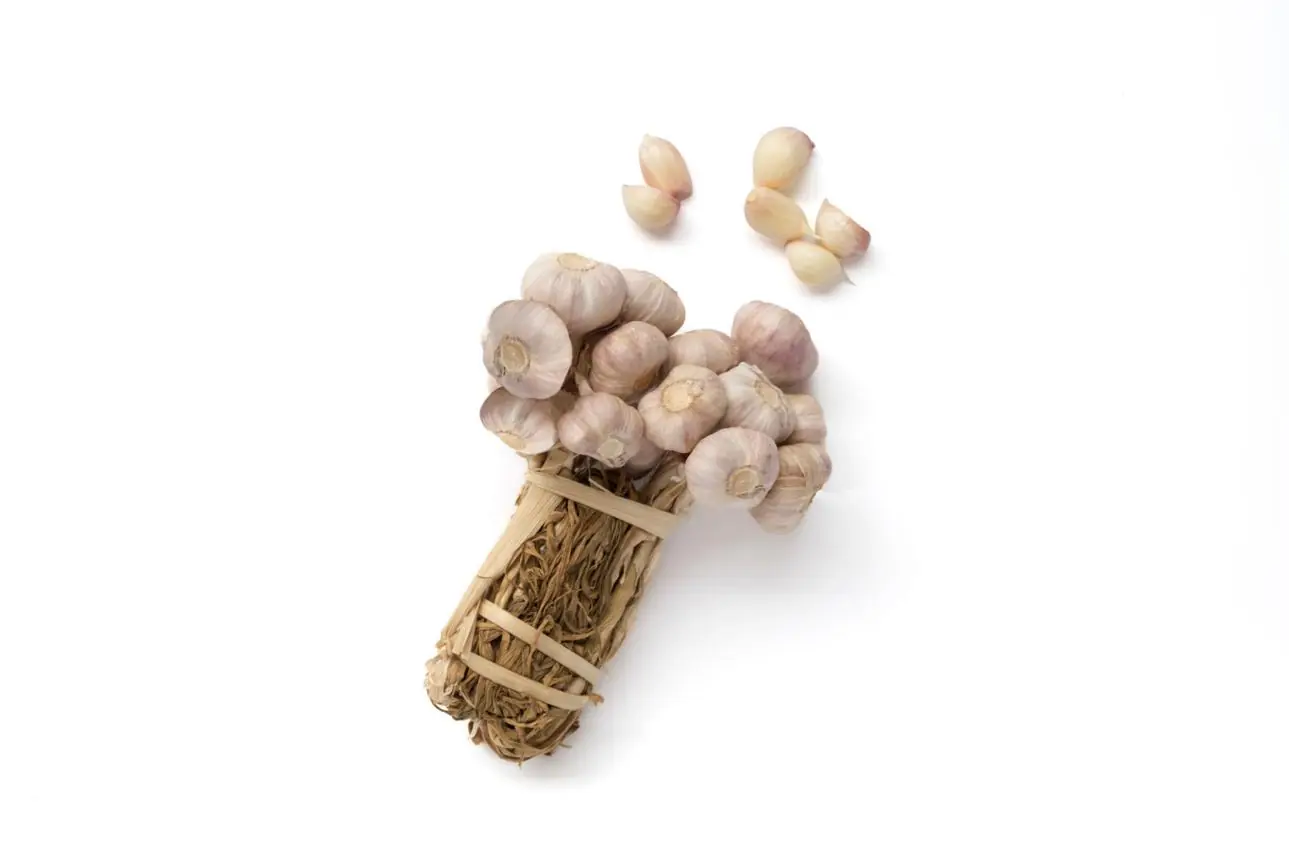
REGULAR GARLIC
- Rich in allicin (main active compound)
- Strong antibacterial and anti-inflammatory effects
- Sharp smell and taste
BLACK GARLIC
- Contains less allicin (it breaks down during fermentation)
- Higher in antioxidants
- Easier to digest
- Milder, sweeter flavor
So technically:
- Raw garlic = stronger immediate medicinal compounds
- Black garlic = more stable antioxidants
3. WHICH ONE IS HEALTHIER?
4
Short answer: neither is strictly “better”—they just serve different purposes.
Black garlic may help with:
- Reducing oxidative stress
- Supporting heart health
- Being gentler on the stomach
Regular garlic may be better for:
- Fighting bacteria
- Boosting immune response quickly
- Strong anti-inflammatory effects
Think of it like this:
- Raw garlic = powerful and aggressive
- Black garlic = smoother and more balanced
4. DOES BLACK GARLIC HAVE “SUPERPOWERS”?
Let’s not overhype it.
Yes, black garlic is healthy—but it’s not magic.
Claims like:
- “Cures diseases”
- “Detoxes your body instantly”
- “Works better than medicine”
→ These are exaggerated.
Black garlic is a functional food, not a replacement for medical treatment.
5. TASTE & USAGE (THIS IS WHERE BLACK GARLIC WINS)
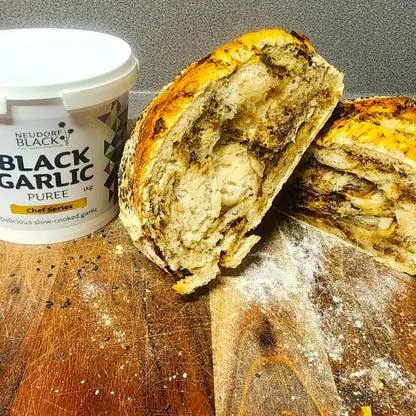
4
If we talk about flavor—black garlic is on another level.
- No harsh smell
- No burning taste
- Slight sweetness + deep umami
That’s why chefs love it.
You can:
- Eat it directly
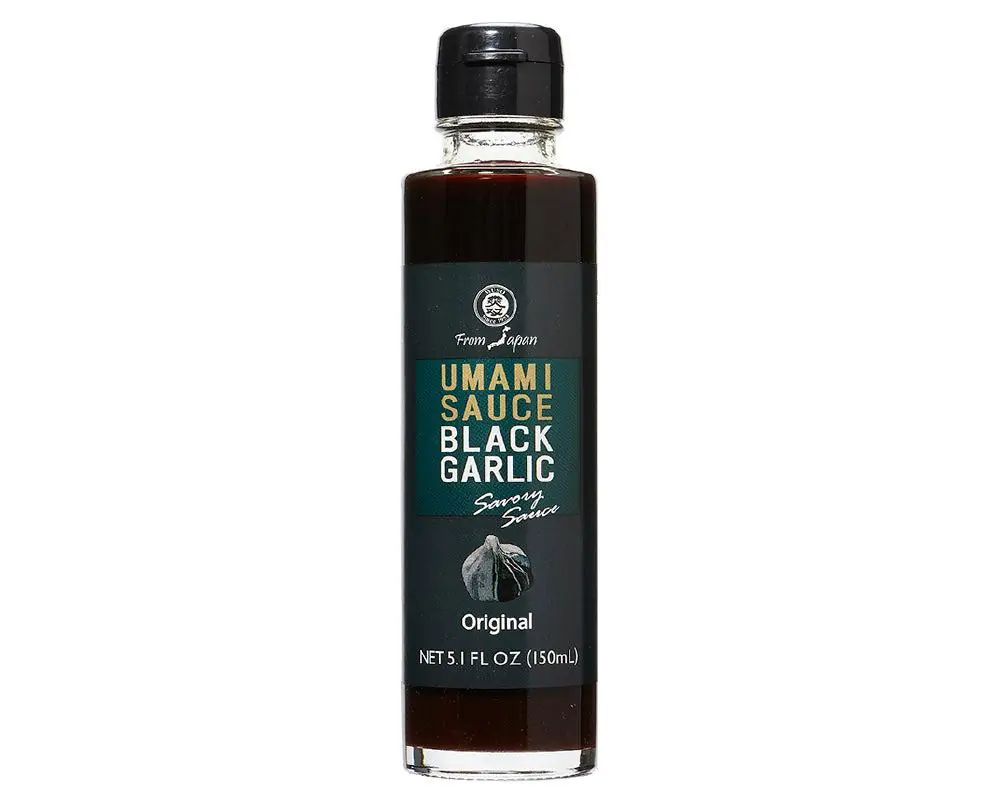
- Mix into sauces
- Spread on bread
- Add to meat or pasta
Meanwhile, raw garlic is often too strong to eat alone.
6. ANY DOWNSIDES?
Yes—nothing is perfect.
Black garlic:
- More expensive
- Lower allicin content
- Can be overhyped
Regular garlic:
- Strong smell (lingers)
- Can irritate stomach if eaten raw
- Not everyone tolerates it well
FINAL VERDICT
Black garlic isn’t “better” than regular garlic—it’s just different.
- Want strong medicinal impact? → go for raw garlic
- Want antioxidants + better taste? → go for black garlic
The smartest move?
Use both depending on your goal.
BOTTOM LINE
Black garlic deserves its popularity—but not the exaggerated hype.
It’s not a miracle.
It’s not overrated either.
It’s simply garlic… upgraded in flavor, slightly shifted in nutrition—and still worth adding to your diet.
7. HOW BLACK GARLIC IS MADE: THE SCIENCE BEHIND ITS COLOR AND FLAVOR
Black garlic is created through a controlled aging process that transforms the appearance, texture, aroma, and chemical composition of ordinary garlic.
Although it is often described as fermented garlic, the process is not always fermentation in the traditional microbiological sense. Commercial black garlic is commonly produced by holding whole garlic bulbs at a carefully controlled temperature and humidity for several weeks.
During this period, the cloves gradually become dark brown or black. Their texture changes from firm and crisp to soft, moist, and sometimes almost jelly-like.
The transformation involves several chemical reactions.
The Maillard reaction
One of the most important processes is the Maillard reaction.
This reaction occurs when certain sugars interact with amino acids under heat. It is responsible for the browning and development of complex flavors in many cooked foods, including roasted coffee, toasted bread, and seared meat.
In black garlic, the Maillard reaction contributes to:
-
The dark color of the cloves
-
The development of sweet, savory, and roasted flavors
-
The formation of complex aromatic compounds
-
Changes in the chemical composition of the garlic
As the aging process continues, the sharp and pungent flavor associated with fresh garlic becomes much less noticeable.
Instead, black garlic develops a flavor profile often described as sweet, tangy, earthy, balsamic, or reminiscent of dried fruit.
The precise flavor depends on the garlic variety and the conditions used during processing.
Changes in acidity and sweetness
Black garlic often tastes sweeter than fresh garlic.
This does not necessarily mean that sugar has simply been added. During aging, carbohydrates and other compounds undergo chemical changes that alter the balance of sweetness, acidity, and savory flavor.
The concentration of certain sugars may increase, while organic acids and other substances contribute to the characteristic sweet-and-sour taste.
These changes help explain why black garlic can be eaten on its own more comfortably than raw garlic.
Why the processing conditions matter
Black garlic is not a standardized product in every market.
Different producers may use different temperatures, humidity levels, aging periods, and garlic varieties. These differences can affect the final product.
For example, one batch may be soft and sweet, while another may have a firmer texture and a more pronounced acidic flavor.
The chemical composition can also vary substantially depending on the processing method.
This is important when interpreting research. A study examining one particular black garlic preparation may not produce results that apply equally to every black garlic product sold in stores.
Black garlic is therefore best understood as a food whose composition changes during processing, rather than as a single standardized medicinal ingredient.
8. WHAT HAPPENS TO ALICIN DURING THE AGING PROCESS?
Allicin is one of the compounds most commonly associated with fresh garlic.
However, it is important to understand that intact garlic cloves do not contain large amounts of allicin in the same way that they contain certain other compounds.