A Warning Sign on the Scalp Often Mistaken for Dandruff — What You Should Know
Flakes on the scalp are extremely common, and most people assume they are simply dealing with dandruff. While dandruff is usually harmless and related to dry skin or mild scalp irritation, persistent scalp changes can sometimes indicate more serious skin conditions that should not be ignored.
In rare situations, certain types of skin cancer or precancerous skin conditions may appear on the scalp and resemble dandruff or chronic flaking. Because the scalp is covered with hair, these symptoms may remain unnoticed for long periods.
Understanding the differences between normal dandruff and potentially concerning scalp conditions can help individuals recognize when it may be time to seek medical advice.
What Is Dandruff?



Dandruff is a common scalp condition that causes flaking skin and sometimes mild itching. It often occurs due to excess oil production, dry skin, or a yeast-like fungus that naturally lives on the scalp.
Typical signs of dandruff include:
-
Small white or yellow flakes in the hair
-
Mild itching
-
Dry or oily scalp patches
-
Flakes that fall onto clothing
Dandruff is usually manageable with medicated shampoos or improved scalp hygiene, and symptoms often improve with treatment.
However, when flakes persist despite treatment or appear unusual, it may indicate another underlying issue.
When Scalp Flakes May Signal Something More Serious

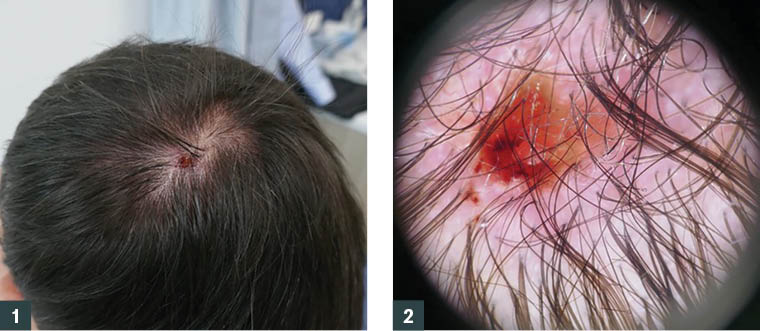

Some skin conditions that develop on the scalp may initially resemble dandruff. One example is actinic keratosis, a rough, scaly patch caused by long-term sun exposure.
Actinic keratosis is considered a precancerous condition because it can sometimes develop into a form of skin cancer called squamous cell carcinoma if left untreated.
Possible warning signs include:
-
Rough, scaly patches that do not disappear
-
Areas that feel crusty or thickened
-
Persistent redness or irritation
-
Small sores that do not heal
Unlike typical dandruff, these patches often remain in one place and may slowly grow larger over time.
Other Scalp Conditions That Can Cause Flaking

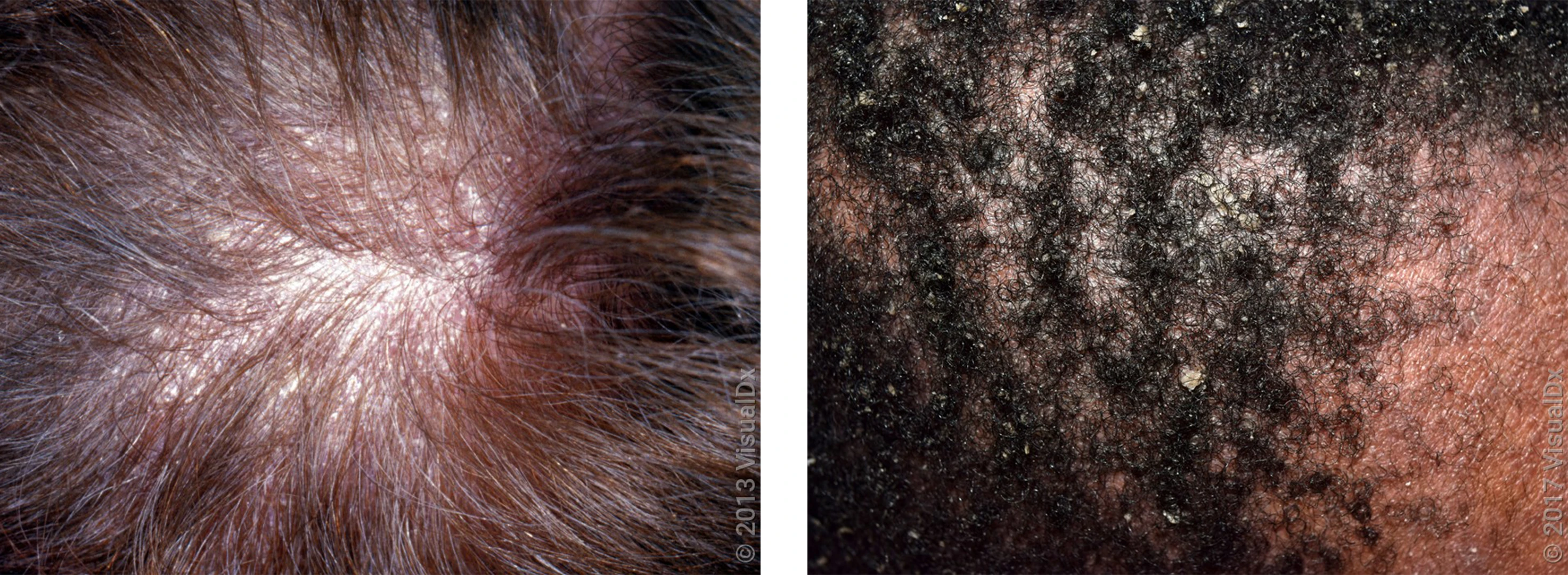

Flaking of the scalp can also occur due to several non-cancerous conditions, including:
Seborrheic dermatitis:
A common inflammatory skin condition that causes greasy flakes and redness.
Scalp psoriasis:
An autoimmune condition that leads to thick, silvery scales and itching.
Eczema:
A skin condition that can cause dry patches and irritation.
Although these conditions are not cancerous, they may still require medical treatment to control symptoms.
Signs That Should Not Be Ignored


It may be time to consult a healthcare professional if scalp symptoms include:
-
Flakes that do not improve with dandruff treatments
-
Persistent red or scaly patches
-
Areas that bleed, crust, or form sores
-
Rapidly changing or growing lesions
-
Pain or tenderness on the scalp
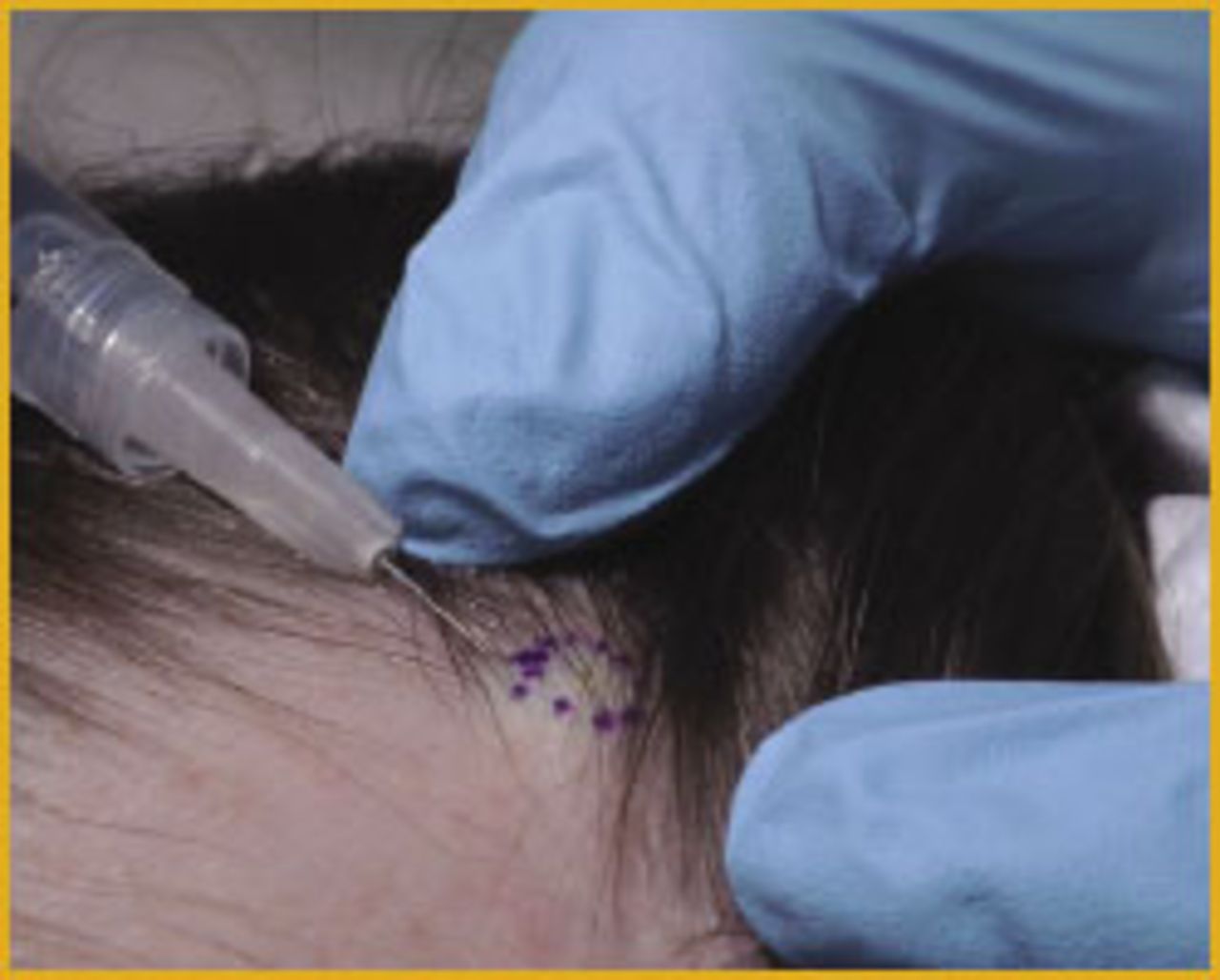
Doctors can examine the scalp using special tools and may recommend tests or biopsies if necessary.
Protecting Scalp Health
Taking care of the scalp can help prevent many common skin issues. Helpful habits include:
-
Protecting the scalp from excessive sun exposure
-
Using gentle hair and scalp products
-
Avoiding excessive scratching or irritation
-
Monitoring unusual skin changes
Regularly checking the scalp, especially if hair is thinning or the scalp is frequently exposed to sunlight, can help detect abnormalities earlier.
Final Thoughts
Most cases of dandruff are harmless and easily treatable. However, persistent or unusual scalp changes should not be ignored. Certain skin conditions, including precancerous lesions, may appear similar to dandruff but require medical evaluation.
Being aware of the difference between temporary flaking and persistent skin changes can help individuals seek timely medical care when needed.
Listening to the body’s subtle signals — even something as simple as changes in the scalp — can play an important role in maintaining long-term health.