Simple activities such as walking, gentle stretching, and changing positions throughout the day can help maintain normal circulation.
5. Does sleeping position affect swelling?
Body position can influence how fluid moves in certain parts of the body.
For example, elevating swollen legs may help some people manage fluid accumulation, depending on the underlying cause.
However, this is different from claiming that sleeping on the left side cleanses the lymphatic system.
Persistent swelling should not be treated as a simple sleeping-position problem.
Swelling can result from several conditions, including venous circulation problems, medication effects, inflammation, kidney disease, or heart-related conditions.
People experiencing unexplained swelling should seek medical advice rather than relying on online detox techniques.
6. What about the brain's lymphatic drainage?
The brain has specialized fluid-clearance pathways that are commonly discussed under the term glymphatic system.
Researchers are investigating how these pathways interact with sleep, cerebrospinal fluid, and the brain's surrounding membranes.
There is also growing interest in meningeal lymphatic vessels, which contribute to the movement of fluid and immune-related substances around the central nervous system.
However, these systems are not simply controlled by gravity or by choosing the left side of a pillow.
Current research does not establish that left-side sleeping provides a clinically meaningful improvement in brain waste removal in humans.
PubMed Central (PMC)+2
Medical illustration of a person sleeping on the left side
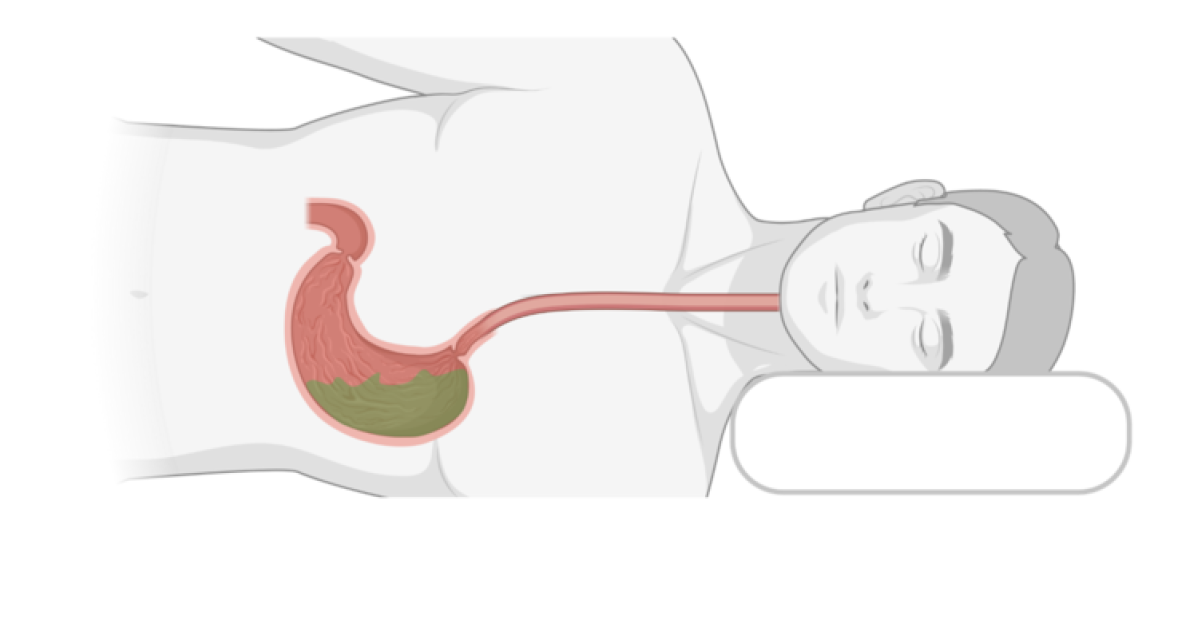
Illustrative medical diagram showing the anatomical relationship between body position and the stomach. It contains no added headline or promotional logo.
7. How to support lymphatic health naturally
There is no need to follow complicated detox routines to support normal lymphatic function.
Several everyday habits are more practical:
-
Walk regularly.
-
Avoid remaining seated for excessively long periods.
-
Drink sufficient fluids.
-
Maintain a balanced diet.
-
Get adequate sleep.
-
Follow medical advice when experiencing persistent swelling.
-
Seek appropriate care for conditions affecting circulation.
These measures support general health without making unsupported promises about cleansing the body.
The most important distinction is that the lymphatic system works throughout the body, and its normal function cannot be reduced to one sleeping position.
Chapter 4: How to Sleep on Your Left Side Correctly and Comfortably
Understanding the potential benefits of left-side sleeping is only part of the picture.
The way someone positions their head, shoulders, hips, and knees can also influence comfort.
A person may try sleeping on the left side but wake up with shoulder pain or stiffness in the lower back.
This does not necessarily mean the position is unsuitable.
Sometimes, small adjustments to pillows and body alignment can make a significant difference.
1. Start with a comfortable mattress
A suitable mattress should support the body without creating excessive pressure around the shoulders and hips.
A mattress that is too firm may make side sleeping uncomfortable because the shoulder and hip bear more pressure.
On the other hand, a mattress that is too soft may allow the body to sink excessively.
There is no single mattress type that works for everyone.
The ideal choice depends on body shape, weight, sleeping habits, and personal comfort.
People with persistent back or shoulder pain may benefit from professional advice when choosing supportive bedding.
2. Choose the right pillow height
Pillow height is especially important for side sleepers.
When lying on the left side, the head should remain approximately aligned with the spine.
A pillow that is too low may allow the head to tilt downward.
A pillow that is too high may push the neck upward.
Both situations can create unnecessary muscle tension.
A supportive pillow should fill the space between the shoulder and head while maintaining a comfortable neck position.
The correct height varies according to shoulder width and mattress firmness.
3. Keep the knees slightly bent
Many people find it comfortable to bend their knees slightly while sleeping on their side.
This can help the body maintain a relaxed position.
However, pulling the knees too tightly toward the chest may create discomfort around the hips and lower back.
A natural, relaxed posture is usually preferable.
Some people also find it helpful to place a small pillow between their knees.
This can improve comfort by reducing pressure between the legs.
4. Avoid putting too much pressure on the shoulder
Side sleeping naturally places some body weight on the lower shoulder.
If the shoulder is compressed excessively, discomfort may develop.
People with existing shoulder injuries should be especially careful.
Adjusting the arm position and pillow arrangement may help.
If pain continues, it may be better to alternate positions or consult a healthcare professional.
There is no need to force yourself to remain on one side throughout the entire night.
5. Consider elevating the upper body if you experience reflux
For people who experience nighttime acid reflux, sleeping on the left side may be more effective when combined with appropriate upper-body elevation.
A wedge pillow can help elevate the torso.
Simply adding several soft pillows beneath the head may not provide the same support because it can bend the neck without adequately raising the upper body.
Research and clinical recommendations support head-of-bed elevation as another strategy for managing nighttime reflux symptoms.
Anyone with frequent or severe symptoms should discuss treatment options with a healthcare professional.
6. Avoid large meals shortly before bedtime
Eating a large meal immediately before lying down may increase nighttime discomfort.
The stomach needs time to process food.
People who experience reflux may benefit from finishing their evening meal at least two to three hours before sleeping.
It may also help to reduce foods and beverages that trigger individual symptoms.
Common triggers include:
-
Fatty meals.
-
Spicy foods.
-
Chocolate.
-
Coffee.
-
Alcohol.
-
Carbonated beverages.
Not everyone reacts to the same foods, so identifying personal triggers can be useful.
7. Do not force a position that causes pain
One of the most important points is that sleep should remain comfortable.
People with hip problems, shoulder injuries, chronic pain, or certain breathing conditions may prefer different sleeping positions.
If sleeping on the left side repeatedly causes discomfort, there is no reason to continue forcing it.
A position that allows adequate, uninterrupted sleep may be more beneficial than one that offers a theoretical advantage but repeatedly wakes the person.
8. What about pregnant women?
Sleeping position can be particularly important during pregnancy.
As pregnancy progresses, healthcare professionals often advise women to settle to sleep on their sides rather than lying flat on their backs for prolonged periods.
The NHS notes that sleeping on either side is appropriate, while left-side sleeping may also help with pregnancy-related heartburn.
The most important advice is to follow individual maternity guidance, especially during later pregnancy.
Women should discuss any concerns about sleep, breathing, circulation, or discomfort with their maternity care team.