The goal is simply to avoid unnecessary excessive browning.
11. Moldy or Improperly Stored Foods
Food safety is another important part of cancer prevention.
Certain molds can produce substances called aflatoxins. Long-term exposure to high levels of aflatoxins is associated with an increased risk of liver cancer.
Aflatoxins can contaminate certain crops, particularly when they are improperly stored in warm, humid conditions.
They can occur in foods such as some:
-
Peanuts
-
Corn
-
Tree nuts
-
Grains
-
Seeds
This is one reason proper food storage matters.
If food has visible mold, an unusual smell, or signs of spoilage, don't assume that removing the visible portion makes the entire product safe. Some molds can produce substances that aren't confined to the visibly affected area.
Food safety is therefore part of a broader approach to reducing avoidable exposures.
The Bigger Issue Isn't One “Bad” Food
It's tempting to read a list like this and conclude that there are 11 foods you must never eat.
That isn't what the evidence means.
Cancer doesn't work like a simple switch.
Eating one sausage doesn't mean cancer will develop.
Eating a steak doesn't mean you have made an unhealthy choice.
Having French fries occasionally doesn't automatically create a dangerous situation.
Instead, risk is influenced by patterns over time.
A diet dominated by processed meats, heavily processed foods, excess calories, alcohol, and very few fruits and vegetables is fundamentally different from a diet in which these foods are occasional parts of otherwise nutritious meals.
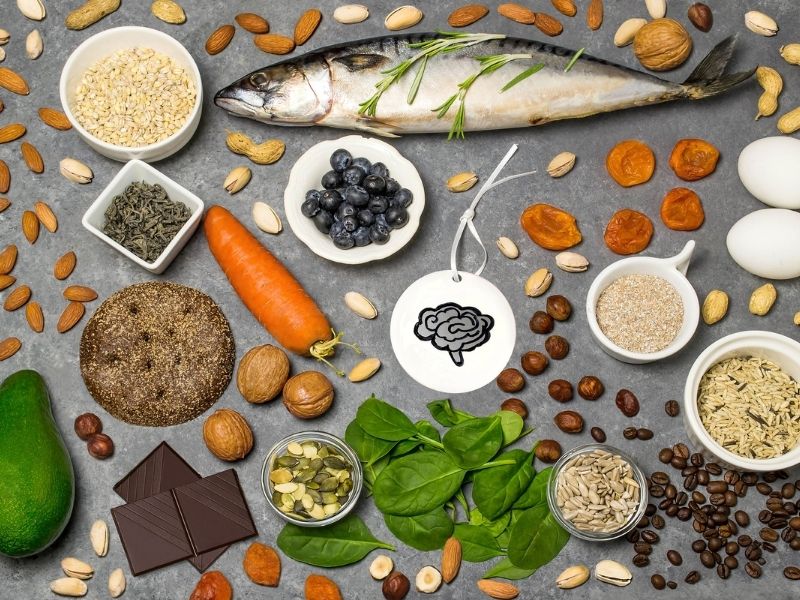
What Foods Should You Eat More Often?
Focusing only on what to avoid can make healthy eating unnecessarily restrictive.
A more useful approach is to ask:
What should take up more space on my plate?
Consider regularly including:
Vegetables
Leafy greens, broccoli, cabbage, carrots, tomatoes, peppers, onions, and other vegetables provide fiber and a wide range of vitamins and plant compounds.
Fruits
Berries, apples, oranges, kiwi, pears, and other whole fruits provide fiber and naturally occurring nutrients.
Whole grains
Oats, brown rice, barley, whole-grain bread, and other whole grains can provide substantially more fiber than refined grains.
Beans and legumes
Beans, lentils, chickpeas, and peas are valuable sources of plant protein and dietary fiber.
Nuts and seeds
In appropriate portions, nuts and seeds can provide healthy fats, protein, fiber, and micronutrients.
Fish and other minimally processed protein sources
Fish, poultry, eggs, tofu, and legumes can provide alternatives to large amounts of processed or red meat.
Fiber May Be One of the Most Important Pieces
When discussing diet and cancer, especially colorectal cancer, fiber deserves particular attention.
Fiber is found naturally in vegetables, fruits, whole grains, legumes, nuts, and seeds.
It supports normal bowel function and is an important component of a healthy dietary pattern.
One reason fiber may be beneficial is that it influences the intestinal environment and helps support a healthy gut microbiome.
Fiber can also help people feel full, which may make it easier to maintain a healthy body weight.
Rather than searching for a single “anti-cancer” food, building meals around a variety of fiber-rich plant foods is a much more evidence-aligned strategy.
What About “Cancer-Fighting Foods”?
You may see headlines claiming that certain foods can “kill cancer cells” or “prevent cancer.”
Be cautious with such claims.
A laboratory study showing that a compound affects cancer cells in a test tube does not mean eating the food will prevent cancer in humans.
The dose, biological availability, metabolism, and many other factors can be completely different.
Foods can certainly contribute to a healthy diet and may be associated with lower disease risk, but they should not be presented as replacements for cancer screening, diagnosis, or treatment.
Preparation Matters Too
The way food is prepared can influence its nutritional profile and the compounds produced during cooking.
Some practical habits include:
-
Avoiding heavily burned or charred foods
-
Limiting frequent deep-frying
-
Choosing gentler cooking methods more often
-
Using less processed meat
-
Eating more fresh or minimally processed foods
-
Storing food properly
-
Avoiding visibly moldy foods
-
Varying your sources of protein
You don't have to cook everything perfectly.
The goal is to make healthier preparation methods the norm rather than obsessing over every individual meal.
Your Overall Lifestyle Matters
Diet is important, but cancer prevention involves much more than food.
Other established risk factors include tobacco exposure, alcohol consumption, certain infections, ultraviolet radiation, environmental exposures, genetics, age, and body weight.
Physical activity also matters.
Regular movement can contribute to maintaining a healthy body weight and is associated with lower risk of several cancers.
And perhaps one of the most important preventive strategies is appropriate cancer screening.
Depending on age, sex, family history, and other risk factors, screening may help detect certain cancers or precancerous changes before they cause symptoms.
A healthy diet should complement—not replace—appropriate medical care.
Don't Let Fear Take Over Your Diet
After reading about cancer risks, it's easy to become frightened by ordinary foods.
But fear is not a healthy nutritional strategy.
Food is meant to nourish us, and a healthy diet should be sustainable.
You don't need to inspect every ingredient with suspicion.
You don't need to eliminate every food that has ever been associated with a cancer study.
Instead, think in terms of frequency, quantity, variety, and overall pattern.
Eating a highly processed food occasionally is very different from eating it several times a day.
Eating vegetables regularly is more meaningful than consuming a so-called “superfood” once a month.
And maintaining a healthy lifestyle over years is much more important than following a short-term restrictive diet.
The Bottom Line
What you eat can influence your long-term health, and some dietary patterns are associated with a higher risk of certain cancers.
Processed meat, high consumption of red meat, heavily charred foods, heavily salted preserved foods, alcohol, highly processed foods, and certain foods exposed to high-temperature cooking are among the areas worth paying attention to.
But there is no single food that determines whether someone will develop cancer.
The most useful approach is to build a dietary pattern around vegetables, fruits, whole grains, legumes, nuts, seeds, and other minimally processed foods, while limiting processed meat, excessive alcohol, highly processed foods, and frequent heavily charred or deep-fried foods.
Most importantly, don't let one headline convince you that a single meal will determine your future health.
Cancer prevention is not about eating perfectly. It's about making healthier choices consistently—and combining those choices with appropriate screening, physical activity, avoiding tobacco, and regular medical care.