But then it happens again.
The itching becomes more frequent, flakes begin appearing on your shoulders, or your scalp feels unusually dry and sensitive. Sometimes, there are even small bumps, redness, or patches that seem difficult to explain.
An itchy scalp is one of the most common hair and skin complaints, yet many people assume it is always caused by dandruff. In reality, the reasons can be surprisingly different. Dry skin, excessive oil, allergic reactions, fungal infections, inflammatory skin conditions, and even tiny parasites can all trigger itching.
The important thing is to recognize that the scalp is skin. Just like the skin on your face or hands, it can become irritated, inflamed, infected, or affected by underlying medical conditions.
The good news is that many causes of scalp itching can be managed with appropriate care. However, choosing the right treatment depends on understanding what may be happening beneath your hair.
Here are eight important things to know about an itchy scalp, what different symptoms may indicate, and how to find lasting relief.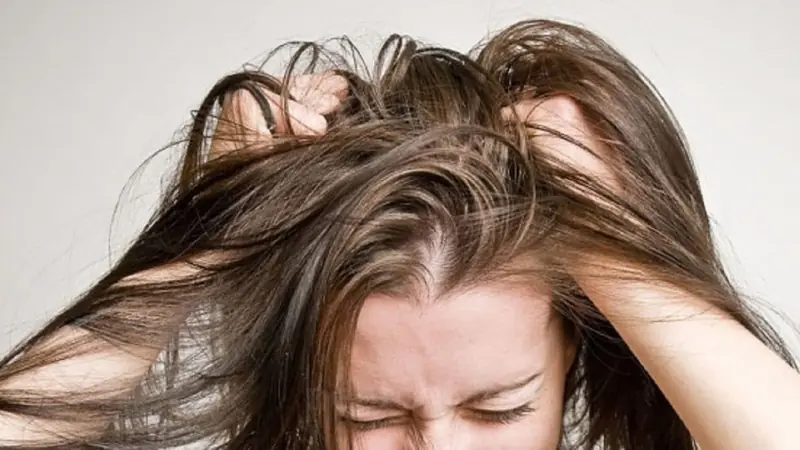
CHAPTER 1: WHY YOUR SCALP ITCHES - UNDERSTANDING WHAT IS HAPPENING
The scalp contains thousands of hair follicles, oil-producing sebaceous glands, sweat glands, blood vessels, and sensory nerve endings. These structures work together to protect the skin, regulate moisture, and support healthy hair growth.
When something disrupts this balance, the scalp may respond with itching.
The sensation of itching is produced when specialized nerve endings in the skin detect irritation or inflammatory signals. These signals travel through the nervous system, creating the urge to scratch.
Scratching may provide temporary relief, but it can also damage the skin's protective barrier. Repeated scratching can cause tiny wounds, redness, swelling, and sometimes secondary infections.
This creates a frustrating cycle: the scalp becomes irritated, you scratch it, the skin becomes more damaged, and the itching continues.
The scalp has its own natural balance
One of the most important factors affecting scalp comfort is the skin barrier.
The outermost layer of the skin helps retain moisture and protect against environmental irritants, allergens, and microorganisms. Natural oils produced by sebaceous glands contribute to this protective system.
When the barrier becomes weakened, moisture can escape more easily. The scalp may become dry, tight, flaky, and sensitive.
On the other hand, excessive oil production can contribute to conditions such as seborrheic dermatitis, particularly when combined with individual sensitivity to naturally occurring skin microorganisms.
This explains why two people with itchy scalps may need completely different treatments.
One person may need a gentle, fragrance-free moisturizer or a change in washing habits. Another may need a medicated shampoo designed to control dandruff.
Itching does not always mean poor hygiene
A common misconception is that an itchy scalp means someone is not washing their hair properly.
That is not necessarily true.
People who wash their hair frequently can still experience itching because of dryness, irritation from shampoo ingredients, or inflammatory skin conditions.
Likewise, people who wash less frequently may experience buildup of oil, sweat, dead skin cells, and hair products.
The appropriate washing routine depends on hair type, scalp condition, activity level, and individual sensitivity.
Why scratching can make the problem worse
Scratching activates the skin further and may increase inflammation. Fingernails can also create small breaks in the skin, making it easier for bacteria to enter.
If the scalp is already affected by eczema, psoriasis, or an infection, scratching can aggravate the condition.
For this reason, treating the underlying cause is much more effective than repeatedly trying to remove the sensation by scratching.
The first step toward relief is recognizing the most likely cause.
CHAPTER 2: DANDRUFF AND SEBORRHEIC DERMATITIS — TWO COMMON REASONS FOR AN ITCHY SCALP
When people notice white flakes falling from their hair, dandruff is often the first explanation that comes to mind.
Dandruff is extremely common and can affect people of different ages and hair types. It usually causes visible flakes and varying degrees of itching.
However, what many people call dandruff may actually be a mild form of seborrheic dermatitis.