Sometimes, scalp itching is not caused by one major medical condition. Instead, several everyday habits may contribute to irritation.
Small changes can make a meaningful difference, particularly when the scalp is already sensitive.
1. Washing your hair too frequently
Washing removes sweat, oil, dirt, and product buildup. However, very frequent washing with harsh shampoo may strip the scalp of some of its natural oils.
This can contribute to dryness and irritation.
The ideal washing frequency varies. People with oily scalps may need to wash more frequently, while those with dry or textured hair may benefit from less frequent washing.
Pay attention to how your scalp feels rather than following a rigid schedule.
2. Not washing frequently enough
The opposite problem can also occur.
When sweat, oil, dead skin cells, and styling products accumulate, the scalp may feel uncomfortable.
Some people notice more itching when they use dry shampoo repeatedly without washing away the buildup.
A consistent cleansing routine can help maintain scalp comfort.
3. Using very hot water
Hot water may feel relaxing, but it can worsen dryness and irritation.
Lukewarm water is generally a better choice, especially for people with sensitive skin.
Try to avoid prolonged exposure to very hot water during showers.
4. Applying too many hair products
Hair sprays, gels, waxes, dry shampoos, leave-in conditioners, and styling creams can accumulate on the scalp.
Some ingredients may also trigger irritation or allergic reactions.
If your scalp becomes itchy after introducing a new product, stop using it and observe whether symptoms improve.
5. Scratching with fingernails
Scratching may provide immediate relief, but it can damage the skin barrier.
Repeated scratching may lead to bleeding, crusting, and secondary bacterial infections.
If you feel the urge to scratch, try gently pressing the area or using a cool compress instead.
Keep fingernails short to reduce accidental skin damage.
6. Leaving sweat on the scalp for too long
Sweat itself is not necessarily harmful, but moisture, heat, friction, and product residue may contribute to discomfort.
People who exercise regularly may benefit from rinsing or washing their hair according to their scalp type and activity level.
Allowing the scalp to dry properly after washing or exercise can also help.
7. Stress and lack of sleep
Stress does not cause every itchy scalp condition, but it may worsen certain inflammatory skin disorders.
People with psoriasis, eczema, or seborrheic dermatitis sometimes notice flare-ups during stressful periods.
Sleep deprivation may also make discomfort harder to tolerate.
Managing stress, maintaining a regular sleep schedule, and taking breaks during demanding periods can support general well-being.
These habits are not substitutes for medical treatment, but they may contribute to better symptom management.
8. Ignoring symptoms for too long
An occasional itch may not be concerning. Persistent itching, however, deserves attention.
If the scalp repeatedly becomes inflamed, develops sores, or begins losing hair, simply changing shampoo may delay the correct diagnosis.
Recognizing when home care is no longer enough is an important part of protecting scalp health.
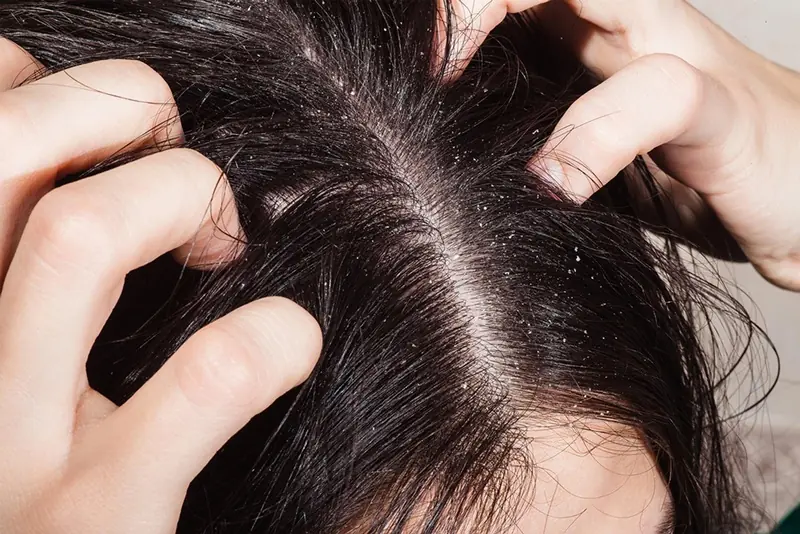
FINAL THOUGHTS: YOUR SCALP DESERVES THE SAME ATTENTION AS THE REST OF YOUR SKIN
An itchy scalp may seem like a small problem, but persistent discomfort can affect sleep, concentration, confidence, and everyday quality of life.
The cause may be something relatively simple, such as dry skin or dandruff. It may also be related to an allergic reaction, seborrheic dermatitis, psoriasis, eczema, a fungal infection, or head lice.
The most important lesson is that different causes require different solutions.
Using stronger shampoo is not always the answer. Scrubbing harder, applying more oils, or trying several home remedies at once may actually make irritation worse.
Instead, pay attention to the symptoms. Notice when the itching begins, whether flakes or redness appear, and whether a new product may have triggered the reaction.
Choose gentle hair-care products, avoid aggressive scratching, and use medicated treatments only when they are appropriate for the suspected condition.
If symptoms persist, become painful, or are accompanied by hair loss, sores, or signs of infection, consult a healthcare professional.
Your scalp is an important part of your skin's protective system. Taking care of it does not require an expensive collection of products or complicated routines.
Sometimes, the most effective first step is simply understanding what your scalp is trying to tell you and responding with the right care.