Most people don’t think much about how often they wake up to use the bathroom at night. But nighttime urination patterns can sometimes provide useful clues about hydration, sleep quality, bladder function, circulation, and even overall health.
Occasionally getting up during the night is completely normal - especially after drinking fluids late in the evening. However, major changes in nighttime bathroom habits, whether too frequent or unusually absent, may sometimes reflect underlying issues worth paying attention to.
The key is understanding what’s normal, what may be lifestyle-related, and when symptoms should not be ignored.
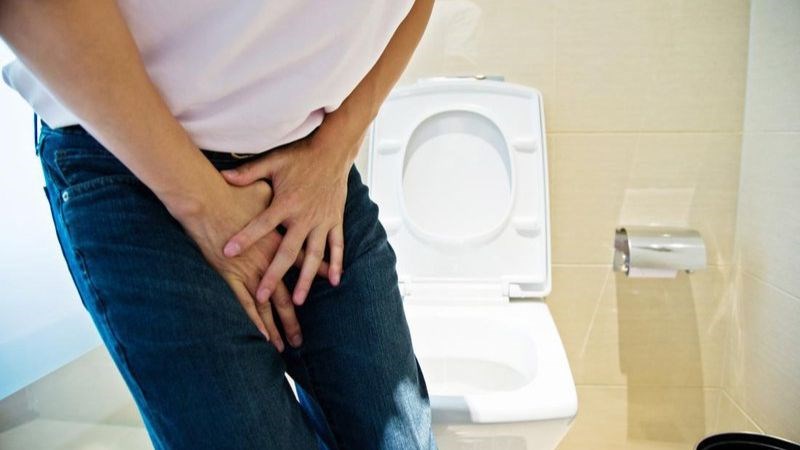
🌙 What Is Normal Nighttime Urination?
Waking once during the night to urinate can be normal, especially:
- With aging
- After drinking fluids late
- During pregnancy
- In colder weather
Many healthy younger adults sleep through the night without needing to urinate.
🚻 What Is Nocturia?
Frequent nighttime urination is called nocturia.
It becomes more concerning when:
- It happens multiple times every night
- It disrupts sleep regularly
- It appears suddenly
Nocturia itself is not a disease—it’s a symptom with many possible causes.
💧 1. Frequent Nighttime Urination May Reflect Fluid Habits
One of the most common causes is simple:
- Drinking too much before bed
Especially:
- Water late at night
- Alcohol
- Caffeine
These increase urine production and bladder activity.
☕ Caffeine and Alcohol Matter
Both can:
- Irritate the bladder
- Increase urine production
- Disrupt sleep cycles
This is why evening coffee or alcohol often leads to nighttime waking.
2. Nighttime Urination and Circulation
In some people, fluid that accumulates in the legs during the day returns to circulation when lying down at night.
The kidneys then process this extra fluid, increasing nighttime urination.
This may happen more often in:
- Older adults
- People with circulation issues
- Individuals with heart conditions
🧠 3. Sleep Quality Plays a Role Too
Sometimes people think the bladder woke them up—but in reality, poor sleep caused them to wake first.
After waking, they simply notice the urge to urinate.
Sleep disorders such as:
- Insomnia
- Sleep apnea
can contribute to this pattern.

😴 Sleep Apnea and Nighttime Bathroom Trips
Conditions like Obstructive Sleep Apnea are strongly associated with frequent nighttime urination.
Symptoms may include:
- Loud snoring
- Daytime fatigue
- Morning headaches
- Repeated nighttime awakenings
🍬 4. Frequent Urination May Sometimes Signal Blood Sugar Problems
High blood sugar levels can increase urine production.
Possible associated symptoms:
- Excessive thirst
- Fatigue
- Increased hunger
Persistent frequent urination should be medically evaluated if accompanied by these signs.
🧓 5. Aging and Bladder Changes
As people age:
- Bladder capacity may decrease
- Sleep becomes lighter
- Hormonal changes affect urine production
This makes nighttime urination more common.
🚨 When Nighttime Urination May Need Medical Attention
Seek medical advice if you experience:
- Sudden major changes
- Pain or burning while urinating
- Blood in urine
- Severe urgency
- Swelling in the legs
- Extreme thirst or fatigue
These symptoms may indicate conditions requiring evaluation.
🌙 What If You Never Wake Up to Urinate?
For many healthy individuals, sleeping through the night without urinating is completely normal.
It may reflect:
- Good bladder capacity
- Stable sleep
- Balanced fluid intake
However, extremely low urination combined with:
- Dehydration
- Swelling
- Dark urine
could sometimes suggest other issues.
Context matters.
🌿 Healthy Habits That Support Better Nighttime Bladder Function
✔️ Limit Excess Fluids Before Bed
Especially 1–2 hours before sleep.
✔️ Reduce Evening Caffeine and Alcohol
These often worsen nighttime waking.
✔️ Elevate Legs Slightly Before Bed
May help redistribute fluid earlier in the evening.
✔️ Maintain Healthy Blood Sugar and Blood Pressure
These strongly affect kidney and bladder function.
✔️ Prioritize Sleep Quality
Better sleep often reduces unnecessary awakenings.
🧠 The Body Often Gives Subtle Clues
Nighttime bathroom habits may reflect:
- Hydration status
- Sleep quality
- Circulation
- Kidney function
- Bladder health
Small changes are often harmless, but persistent or dramatic shifts deserve attention.

💡 Final Thoughts
Your nighttime bathroom routine can reveal more about your health than you might expect. For some people, waking occasionally is completely normal. For others, frequent nighttime urination may point to:
- Sleep problems
- Circulation issues
- Bladder changes
- Metabolic concerns
The most important thing is noticing patterns - not panicking over isolated nights.
Because sometimes, the body communicates through the smallest daily habits long before larger symptoms appear.