Losing a family member is one of the most emotionally overwhelming experiences a person can face. In the days following a death, families are often consumed by grief, funeral arrangements, and practical responsibilities. During this difficult time, decisions are sometimes made too quickly—especially when it comes to clearing out belongings. Experts in grief counseling and family history caution that some items should never be discarded in haste. These objects are not just possessions; they carry emotional, historical, and even practical value that may only become clear with time.
Here are four important things you should consider keeping when a family member passes away.
1. Personal Letters, Notes, and Handwritten Items
Handwritten letters, journals, greeting cards, and notes may seem small or insignificant at first, but they are often irreplaceable. These items capture a person’s voice, thoughts, and emotions in a way digital messages cannot. Over time, reading a loved one’s handwriting can provide comfort, connection, and a sense of closeness that helps with healing.
Grief experts note that many people regret throwing away handwritten items, especially years later when memories begin to fade. Even brief notes, shopping lists, or birthday cards can become cherished keepsakes. If you are unsure, store them safely and revisit the decision later, when emotions are less intense.
2. Legal and Financial Documents
Important paperwork should never be discarded without careful review. This includes wills, insurance policies, property deeds, bank records, medical records, tax documents, and identification papers. These documents may be essential for settling estates, accessing benefits, or resolving legal matters long after the funeral.
Even papers that appear outdated or unimportant may become necessary later. Experts recommend organizing all documents into labeled folders and consulting with a legal or financial professional before discarding anything. Keeping copies, both physical and digital, can prevent unnecessary stress and complications down the road.
3. Sentimental Everyday Objects
Not every meaningful item is valuable in a monetary sense. A favorite mug, a watch worn daily, a piece of jewelry, a scarf, or even a well-used tool can hold deep emotional significance. These everyday objects often represent shared routines, memories, and moments that defined your relationship with the person who passed away.
Psychologists explain that sentimental items can play an important role in the grieving process. Holding or seeing these objects may bring comfort and help maintain a sense of connection. While it may not be practical to keep everything, taking time to choose a few meaningful items can help preserve memories without overwhelming your space.
4. Photos and Digital Memories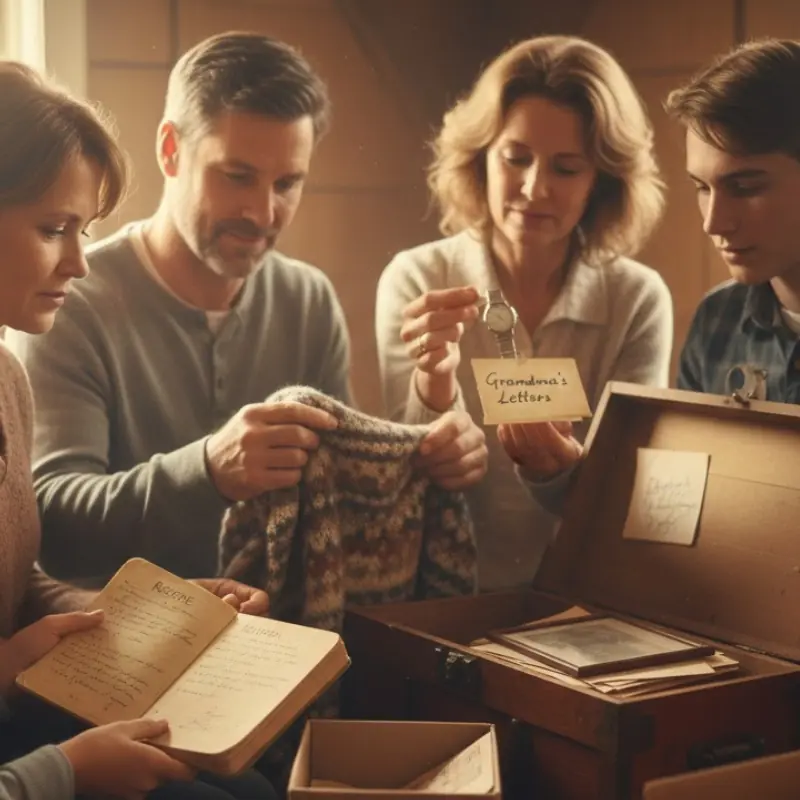
Photographs—both printed and digital—are among the most valuable items to preserve after a loss. Old photo albums, loose pictures, videos, voice recordings, and digital files often capture moments that exist nowhere else. Unfortunately, digital memories are especially easy to lose if phones, computers, or cloud accounts are deleted or forgotten.
Experts advise backing up digital photos and videos as soon as possible. If you are not ready to sort through them emotionally, simply secure them first. Over time, these images may become powerful reminders of shared experiences, family history, and joyful moments.
Take Time Before Letting Go
One of the most common pieces of advice from grief counselors is this: do not rush decisions about belongings. What feels painful or unnecessary today may feel precious in the future. Grief changes over time, and so does our relationship with memories.