Passing gas is a normal part of digestion. In fact, healthy people release gas between 14 and 23 times a day on average, according to the American College of Gastroenterology. But what happens when you’re clocking in over 25 farts a day—every day?
While occasional increases in gas may be harmless, persistently excessive flatulence—especially when accompanied by other symptoms like bloating, abdominal pain, irregular bowel movements, or foul odor—can indicate deeper issues within your gastrointestinal (GI) tract. Here’s what science says about what might be going on inside your body:

1. Gut Dysbiosis: An Imbalance in the Microbiome
The human gut is home to trillions of bacteria that aid in digestion. When this delicate ecosystem is thrown off—due to antibiotics, poor diet, stress, or illness—an overgrowth of gas-producing bacteria can occur.
A 2020 review in Nature Reviews Gastroenterology & Hepatology explains how dysbiosis can lead to excessive fermentation of carbohydrates in the colon, producing more hydrogen, methane, and carbon dioxide—leading to flatulence. The overproduction of methane, in particular, is linked with slow gut motility and constipation.
2. Small Intestinal Bacterial Overgrowth (SIBO)
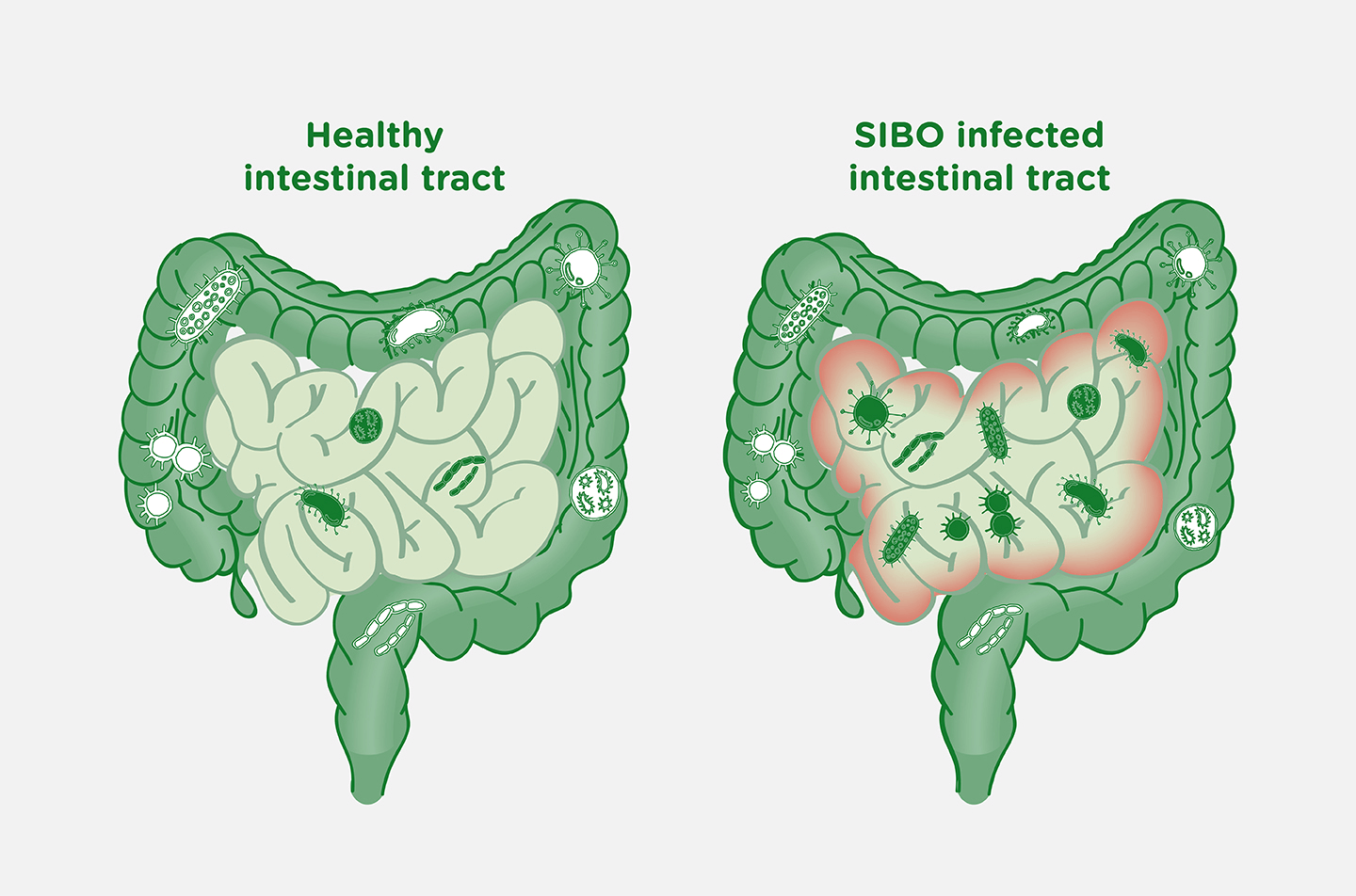
SIBO occurs when bacteria that typically reside in the large intestine start colonizing the small intestine. These misplaced microbes ferment food before it’s properly digested, causing bloating, gas, diarrhea, and even nutrient deficiencies.
According to a 2017 study in World Journal of Gastroenterology, SIBO is significantly underdiagnosed, yet affects up to 15% of healthy individuals and up to 80% of those with IBS.
3. Food Intolerances and Malabsorption
Lactose intolerance, fructose malabsorption, and gluten sensitivity are among the most common causes of excessive gas. When undigested sugars reach the colon, bacteria feast on them—producing large amounts of gas as a byproduct.
A 2013 study published in Neurogastroenterology & Motility found that individuals with fructose intolerance had significantly higher rates of bloating, flatulence, and abdominal pain after eating common foods like apples, honey, or high-fructose corn syrup.
4. Low Digestive Enzyme Production
As we age or due to pancreatic insufficiency, the body may produce fewer digestive enzymes, especially amylase, lipase, and lactase. Without enough enzymes, food is not properly broken down in the small intestine—leading to fermentation in the colon.
This results in more gas, and in some cases, steatorrhea (fatty, foul-smelling stools). Chronic pancreatitis and celiac disease can also impair enzyme production.
5. Fiber Overload or Sudden Diet Changes

Fiber is essential for gut health, but a sudden increase—especially from beans, cruciferous vegetables, or whole grains—can overwhelm your microbiota. A 2011 study in Clinical Gastroenterology and Hepatology demonstrated that individuals on a high-fiber diet reported significantly more flatulence and discomfort, especially in the first few weeks.
6. Underlying Gastrointestinal Disorders
Excessive farting can also be an early warning sign of:
- Irritable Bowel Syndrome (IBS) – Characterized by altered bowel habits, pain, and excessive gas due to visceral hypersensitivity and gut dysmotility.
- Celiac Disease – An autoimmune response to gluten that damages the intestinal lining and leads to gas, bloating, and nutrient malabsorption.
- Inflammatory Bowel Disease (IBD) – Includes Crohn’s disease and ulcerative colitis, both of which can cause abnormal gas production due to inflammation and altered gut flora.
When to Seek Medical Advice

If excessive flatulence is accompanied by any of the following, it’s time to consult a doctor:
- Chronic or severe bloating
- Unexplained weight loss
- Persistent diarrhea or constipation
- Fatigue or nutrient deficiencies
- Sudden change in bowel habits
These could be signs of underlying digestive conditions that require treatment, testing (like a breath test for SIBO), or dietary adjustments.
Farting is normal—but more than 25 times a day, consistently, may not be. It’s your body’s way of saying “something’s off.” Instead of masking the smell with sprays or blaming your diet alone, consider what your gut is truly trying to tell you. It might just need balance, attention, or professional care.