Brussels sprouts have developed a rather unusual reputation. They are frequently described as one of the most disliked vegetables, yet they also have a devoted following among home cooks, professional chefs, and people who enjoy experimenting with healthy recipes. Their small, round shape makes them look harmless, but their distinctive flavor can be surprisingly strong.
So, what makes Brussels sprouts so controversial? Why do some people love their slightly bitter taste while others cannot tolerate even the smell? And are these miniature cabbage-like vegetables actually worth including in a regular diet?
The answer involves more than personal preference. Cooking methods, genetics, childhood experiences, nutritional value, and even the way vegetables are prepared can influence how people experience Brussels sprouts.
Although they may not become everyone's favorite food, these little green vegetables have several qualities that make them worth another look.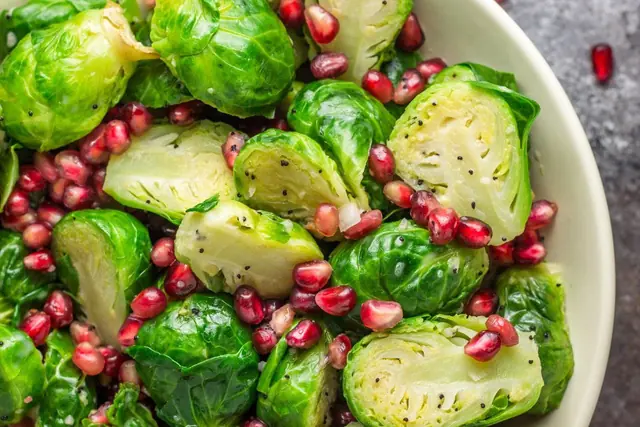
Chapter 1: What Exactly Are Brussels Sprouts?
Brussels sprouts belong to the cruciferous vegetable family, which also includes broccoli, cauliflower, kale, cabbage, and collard greens. Their appearance resembles miniature cabbages, with tightly layered leaves arranged around a compact central stem.
The vegetable is named after Brussels, the capital of Belgium, where it became particularly popular and was cultivated extensively. However, its history is older than many people realize. Brussels sprouts have been grown in parts of Europe for centuries, eventually becoming an important winter vegetable in several countries.
Unlike ordinary cabbage, which produces one large head, Brussels sprouts grow as numerous small buds along a tall central stalk. Each bud develops into a compact vegetable that can be harvested individually or sold attached to the stalk.
Their flavor is distinctive. Fresh Brussels sprouts generally have an earthy, slightly sweet, cabbage-like taste with a mild bitterness. Their texture can range from firm and crisp to soft and tender, depending on how they are prepared.
Size and freshness also matter. Smaller sprouts are often perceived as more delicate, while larger ones may have a stronger flavor. Fresh vegetables should feel firm and compact, with tightly closed leaves and a relatively bright green appearance.
Yellowing leaves, excessive softness, and an unpleasant smell may indicate that the vegetables are no longer at their best.
Brussels sprouts are especially associated with cooler seasons. They can tolerate cold weather, and exposure to cooler growing conditions may contribute to a sweeter flavor. This is one reason they frequently appear in autumn and winter recipes.
For many families, Brussels sprouts are a traditional holiday side dish. They are served alongside roasted meat, potatoes, stuffing, and other familiar foods. In recent years, however, they have become increasingly popular as an everyday ingredient in salads, grain bowls, pasta dishes, and plant-based meals.
Their versatility is one of their greatest advantages. They can be roasted, steamed, sautéed, grilled, shredded, or added to soups. The same vegetable can taste dramatically different depending on the cooking technique.
Chapter 2: Why Do Some People Love Them While Others Hate Them?
The debate surrounding Brussels sprouts is not simply about whether someone is a picky eater. There are biological and chemical reasons why people can experience their flavor differently.
One important factor involves compounds called glucosinolates. These naturally occurring substances are found in cruciferous vegetables and contribute to their characteristic flavors. When vegetables are chopped, crushed, or chewed, glucosinolates can be broken down into other compounds, including substances that contribute to their pungent aroma and taste.
Some people are particularly sensitive to certain bitter flavors. Genetic differences in taste receptors can influence how strongly individuals perceive bitter compounds in foods. This means that a Brussels sprout that tastes pleasantly earthy to one person may taste overwhelmingly bitter to another.
Research into bitter-taste perception has identified genetic variations associated with sensitivity to compounds found in cruciferous vegetables. However, taste is complex, and no single genetic factor explains everyone's preferences.
Smell also plays an important role. Flavor is not determined by the tongue alone. The nose detects aromatic compounds released while food is being prepared and eaten. When Brussels sprouts are overcooked, their sulfur-containing compounds can produce a strong smell that many people find unpleasant.