Another option is to include them in grain bowls. Combine roasted sprouts with quinoa or brown rice, chickpeas, fresh vegetables, and a simple dressing.
For breakfast or brunch, finely chopped cooked Brussels sprouts can be mixed into an omelet with eggs and other vegetables.
They can even be used as a pizza topping. Lightly sautéed pieces pair well with mushrooms, onions, and a moderate amount of cheese.
The key is to experiment with combinations rather than assuming the vegetable must always be served by itself.
People who dislike the stronger flavor may prefer smaller portions mixed with ingredients they already enjoy.
Over time, repeated exposure can sometimes help people become more comfortable with unfamiliar foods. However, there is no need to force yourself to eat something you dislike when many nutritious alternatives are available.
Chapter 10: So, Who Actually Enjoys Eating Brussels Sprouts?
The answer is probably more people than their reputation suggests.
Some enjoy them because of their nutritional value. Others love the crisp texture created by roasting or air frying. Some appreciate their slightly bitter flavor because it balances rich dishes, while others simply grew up eating them and consider them a familiar part of family meals.
There are also people who hated Brussels sprouts as children but discovered that they enjoyed them as adults after trying different cooking methods.
This is a reminder that food preferences are not always permanent. The way an ingredient is prepared can dramatically change the eating experience.
Brussels sprouts are not magical vegetables, and they do not need to be treated as a superfood. They are simply a nutrient-rich member of the cruciferous vegetable family that can contribute vitamins, minerals, fiber, and beneficial plant compounds to a varied diet.
For people who enjoy them, there are countless ways to prepare them. For those who remain unconvinced, other vegetables can provide many similar nutritional benefits.
Ultimately, a healthy diet does not require everyone to love the same foods. It requires variety, balance, and eating patterns that can be maintained over time.
And perhaps that is the real question worth asking at the dinner table:
Do you enjoy Brussels sprouts because you genuinely love their taste, or have you simply never found a way to cook them that makes you appreciate them?
The next time a plate of roasted Brussels sprouts appears at dinner, it might be worth trying one more bite. You may discover that the vegetable you once avoided has become an unexpectedly enjoyable part of your meal.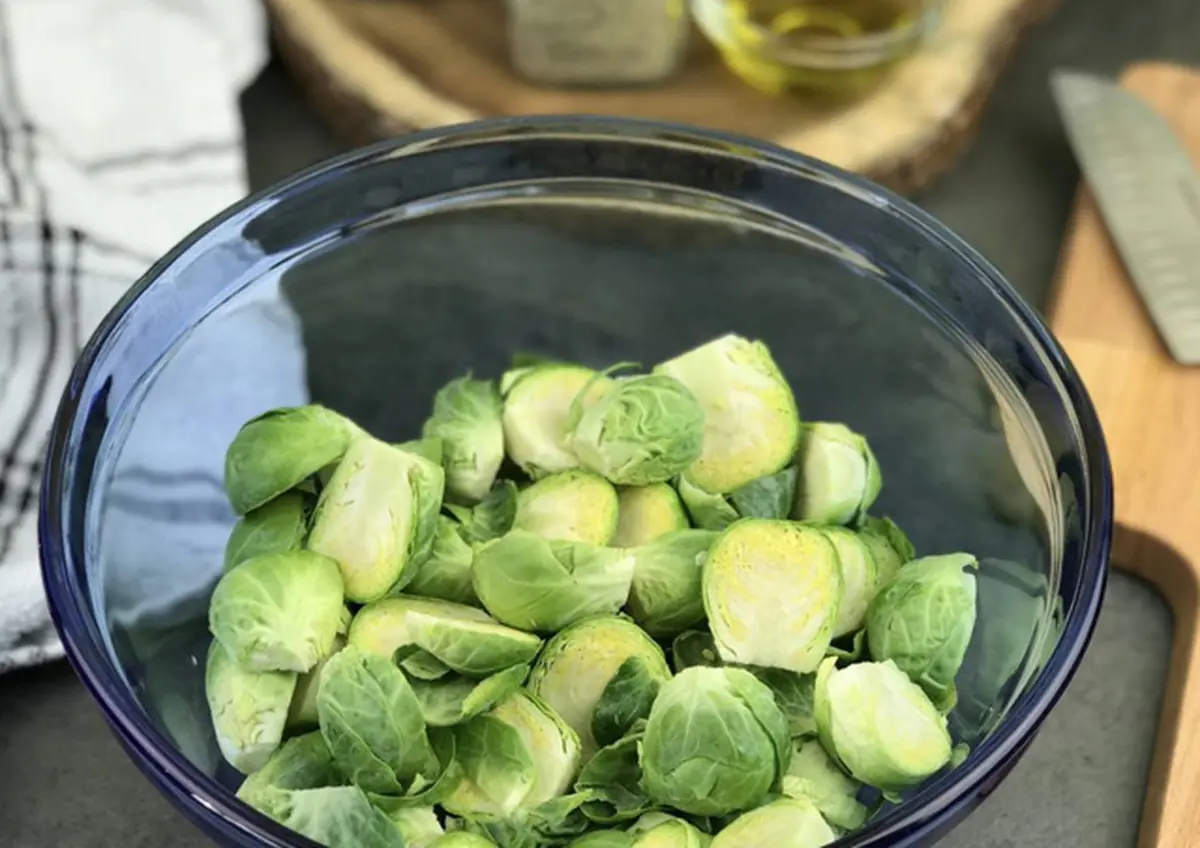
Chapter 11: A Little Green Vegetable, A Bigger Conversation
Perhaps the most interesting thing about Brussels sprouts is how easily they turn an ordinary meal into a conversation. Few vegetables inspire such strong opinions. At family gatherings, one person may reach for a second helping while another quietly moves the sprouts to the edge of the plate.
But these differences are part of what makes food interesting. Taste is personal, and everyone brings different experiences, habits, and preferences to the table.
For parents, introducing Brussels sprouts to children can sometimes be challenging. Instead of insisting that children finish a large serving, offering small portions prepared in different ways may create a more positive experience. Roasting them until lightly crispy, combining them with familiar vegetables, or adding them to a favorite pasta dish can make the introduction easier.
Adults can benefit from the same approach. Trying a new seasoning, changing the cooking method, or pairing Brussels sprouts with ingredients that complement their flavor may completely change the experience.
There is also no need to turn eating healthy into a competition. Someone who dislikes Brussels sprouts can still maintain a nutritious diet through other vegetables, fruits, whole grains, legumes, and protein sources.
What matters most is developing eating habits that provide adequate nutrients and are enjoyable enough to maintain.
So, the next time someone asks whether you actually eat Brussels sprouts, there is no wrong answer. You might love them roasted, prefer them shredded in a salad, or avoid them altogether.
But one thing is certain: this tiny vegetable has managed to create a surprisingly big debate. Adding more vegetables to everyday meals can be a simple, enjoyable step toward better nutrition, greater food variety, and healthier long-term eating habits.
Now it's your turn: Are Brussels sprouts a delicious addition to your dinner plate, or one vegetable you would happily never eat again?