It is important, however, to distinguish laboratory research from proven health outcomes in humans. Findings from cell studies or animal experiments do not automatically mean that eating Brussels sprouts prevents or treats a particular disease.
Brussels sprouts should therefore be considered part of a nutritious dietary pattern rather than a special treatment or a substitute for medical care.
Their fiber, vitamins, minerals, and plant compounds work together within the broader context of a balanced diet.
The potential value of these vegetables is also connected to dietary variety. Eating the same small group of vegetables every day may limit the range of nutrients and plant compounds available in the diet.
Adding Brussels sprouts alongside broccoli, carrots, spinach, cabbage, peppers, tomatoes, and other vegetables can create a more diverse nutritional pattern.
Chapter 5: How to Cook Brussels Sprouts So They Actually Taste Good
If someone has avoided Brussels sprouts for years, the cooking method may be the first thing worth changing.
The most common mistake is cooking them for too long. Excessive heat and prolonged cooking can create a soft texture and intensify the strong sulfur-like aroma.
Fortunately, there are several ways to prepare them that produce very different results.
1. Oven-Roasted Brussels Sprouts
Roasting is one of the most popular ways to prepare Brussels sprouts.
First, wash the vegetables and remove any damaged outer leaves. Trim the ends and cut larger sprouts in half so they cook more evenly.
Place them in a bowl and add a little olive oil, black pepper, salt, and garlic powder. Toss until the vegetables are lightly coated.
Arrange them in a single layer on a baking tray, placing the cut sides downward when possible. Roast at approximately 400°F (200°C) until the centers are tender and the outer leaves are browned.
The exact cooking time depends on the size of the sprouts and the oven.
Roasting encourages browning and caramelization, creating a deeper, slightly sweeter flavor. The outer leaves can become crispy while the inside remains tender.
A small squeeze of lemon juice after cooking can brighten the flavor.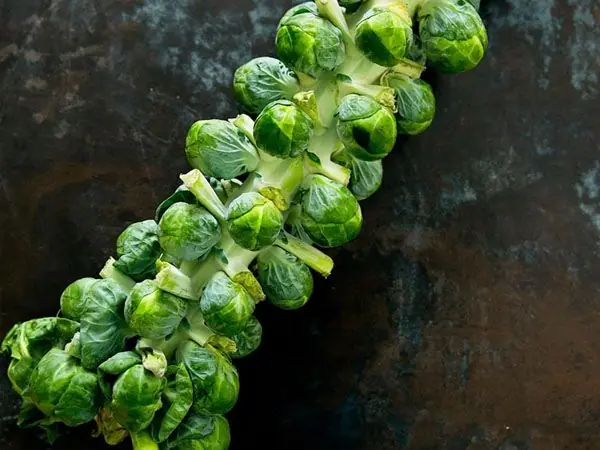
2. Garlic Sautéed Brussels Sprouts
For a quicker side dish, sautéing is an excellent option.
Slice the sprouts into halves or thin pieces. Heat a little olive oil in a skillet, add the vegetables, and cook while stirring occasionally.
Add minced garlic toward the end so it does not burn. Season with black pepper and a small amount of salt.
A splash of water can help soften the vegetables if they become too dry.
This method allows the sprouts to develop a lightly browned surface while retaining some texture.
3. Crispy Air-Fryer Brussels Sprouts
An air fryer can produce a crisp exterior with relatively little oil.
Cut the sprouts into similar-sized pieces, coat them lightly with oil, and season them as desired.
Arrange them in the air-fryer basket without overcrowding it. Cook at approximately 375°F to 400°F (190°C to 200°C), shaking the basket occasionally.
Cooking time varies according to the appliance and vegetable size, so check for tenderness and browning rather than relying only on a fixed number of minutes.
4. Fresh Brussels Sprout Salad
Brussels sprouts do not always need to be cooked.
They can be thinly shredded and used as the base for a crunchy salad. Combine them with sliced apples, toasted nuts, dried cranberries, and a dressing made from olive oil, lemon juice, and a little mustard.
The natural bitterness can balance the sweetness of fruit and the richness of nuts.
For people who find raw Brussels sprouts too tough, allowing the shredded vegetables to sit briefly with the dressing can soften their texture.
5. Brussels Sprouts With Parmesan
Cheese can make the flavor more approachable for people who are not accustomed to eating this vegetable.
Roast or sauté the sprouts until tender, then finish with a modest amount of grated Parmesan.
The savory taste of the cheese complements the earthy flavor of the vegetables. A little black pepper and lemon zest can make the dish even more interesting.
Chapter 6: Common Mistakes That Make Brussels Sprouts Less Appealing
Even a naturally nutritious vegetable can become unpleasant when handled incorrectly.
One of the biggest mistakes is boiling Brussels sprouts for an extended period. Although boiling is a simple cooking method, too much time in hot water can leave them soft, watery, and strongly flavored.