If plasterboard, wallpaper, insulation, or other porous materials have been significantly damaged by water or contaminated by mold, surface cleaning may not be enough.
Some materials may need to be removed and replaced.
The appropriate response depends on the extent and type of damage.
Large areas of mold or significant water contamination should be handled by qualified professionals.
Step 5: Apply an appropriate stain-blocking primer
Once the surface is clean, dry, and properly repaired, a suitable stain-blocking primer may help prevent residual discoloration from bleeding through the new paint.
Different stains may require different primer formulations.
Follow the manufacturer's instructions and ensure the product is compatible with the wall material and final paint.
Step 6: Repaint the wall
After the primer has dried according to the product instructions, apply an appropriate finishing paint.
Use products designed for the specific room and surface.
Bathrooms and kitchens may benefit from suitable moisture-resistant coatings, but paint alone cannot solve underlying ventilation or water-ingress problems.
Mistakes Homeowners Should Avoid
When yellow marks appear, many homeowners immediately reach for a cleaning product or a paintbrush.
Unfortunately, several common mistakes can make the situation worse.
Painting Over a Damp Wall
Applying fresh paint over damp materials can trap moisture and contribute to peeling, bubbling, and recurring stains.
Always identify and correct the moisture source first.
Ignoring a Small Leak
A small leak may appear harmless, but continued moisture can damage plasterboard, timber, insulation, and other building materials.
It may also create conditions that support mold growth.
Scrubbing Too Aggressively
Hard scrubbing can damage painted surfaces and spread contaminants.
Use an appropriate cleaning method and avoid abrasive tools unless the surface is designed to withstand them.
Using Bleach as a Universal Solution
Bleach is not a universal mold treatment.
It may alter surface discoloration without addressing mold growing within porous materials or the moisture that allows growth to continue.
It can also damage certain surfaces and create hazardous fumes if mixed with incompatible cleaners.
Ignoring Ventilation
Cleaning a bathroom or kitchen without addressing poor ventilation may allow moisture-related problems to return.
Proper ventilation and moisture control are essential for long-term prevention.
When Should You Call a Professional?
Some wall stains can be addressed through routine maintenance, but others require specialist attention.
Consider contacting a professional if:
-
The stains continue returning after cleaning.
-
You suspect a hidden plumbing leak.
-
The affected area becomes increasingly large.
-
The wall feels soft or structurally damaged.
-
Water enters during heavy rainfall.
-
There is a persistent musty odor.
-
Mold covers a large area.
-
Electrical outlets or wiring may have been exposed to water.
-
You notice significant damage to ceilings or structural materials.
A plumber can investigate concealed water leaks.
A roofing professional can inspect damaged roof coverings and drainage systems.
A qualified building specialist can assess exterior water penetration, structural moisture, and damaged interior materials.
For extensive mold contamination, a qualified remediation professional may be necessary.
If water has reached electrical installations, avoid touching wet electrical equipment and seek appropriate professional assistance immediately.
How to Prevent Yellow Stains From Returning
Preventing yellow discoloration begins with controlling moisture and maintaining the building.
A few regular habits can help reduce the likelihood of recurring problems.
Inspect the roof regularly. Look for damaged tiles, worn flashing, blocked gutters, and other potential entry points for rainwater.
Check plumbing connections. Pay attention to dripping taps, leaking fixtures, and damp areas around pipes.
Maintain good ventilation. Use extractor fans in kitchens and bathrooms and allow humid rooms to dry properly.
Control indoor humidity. Where appropriate, use a dehumidifier and avoid allowing moisture to accumulate for long periods.
Clean cooking residue. Remove grease from kitchen walls, ceilings, and extractor filters before it becomes difficult to remove.
Address exterior cracks. Maintain mortar joints, exterior sealants, window frames, and other parts of the building envelope.
Inspect problem areas regularly. Check ceilings, corners, window frames, and plumbing-adjacent walls for early signs of discoloration.
These steps cannot prevent every possible wall stain, but they can help identify problems before they develop into more expensive repairs.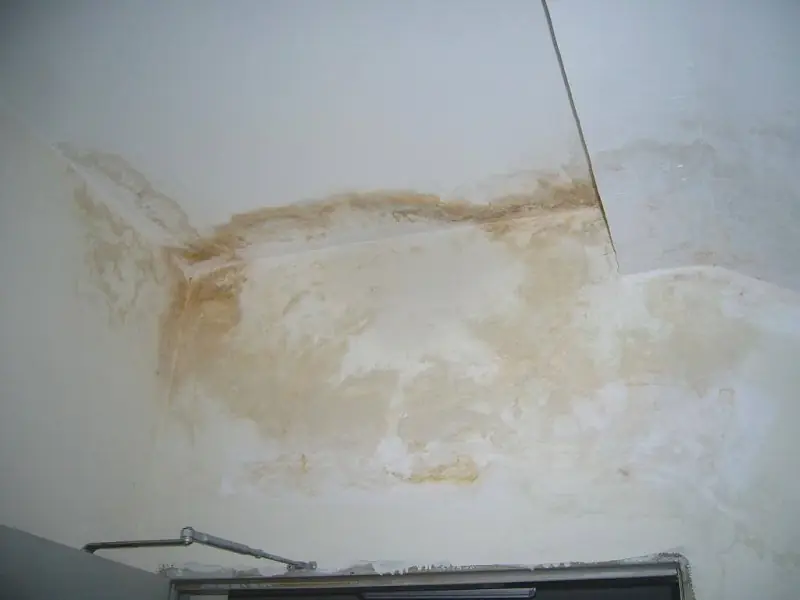
Final Thoughts: Yellow Drips May Be More Than Just a Cosmetic Problem
Yellow stains running down your walls can be frustrating, particularly when they appear unexpectedly or return shortly after cleaning.
Although some discoloration is caused by harmless surface residue or aging paint, other cases may indicate roof leaks, hidden plumbing failures, condensation, corrosion, or moisture-related microbial growth.
The appearance of the stain alone is not enough to determine its cause.
Its location, texture, timing, surrounding conditions, and the presence of additional warning signs all provide useful information.
The most important thing is not to cover the discoloration before understanding why it appeared.
If moisture is entering your home, repairing the underlying source should always come before repainting.
A careful inspection, appropriate cleaning, and timely maintenance can help protect your walls and prevent a small problem from developing into extensive property damage.
The next time you notice mysterious yellow streaks on a wall, take a closer look. What appears to be an ordinary stain may be an early indication that something inside or outside your home needs attention.