For many people, swollen feet are an occasional inconvenience. They may appear after standing for hours, sitting through a long journey, eating a particularly salty meal, or spending time outdoors in hot weather. In these situations, the swelling may improve after resting, moving around, or elevating the legs.
However, swollen feet are not always caused by ordinary fatigue.
Sometimes, swelling is a sign that fluid is accumulating in the body's tissues. This condition is called edema, and it can be associated with problems involving circulation, the heart, kidneys, liver, veins, lymphatic system, or certain medications.
The challenge is that different medical conditions can produce similar symptoms. A person with swollen ankles may have a relatively harmless circulation issue, while another person with the same appearance may have an underlying condition that requires medical attention.
That is why persistent or unexplained swelling should not automatically be ignored.
Understanding why your feet are swollen, when the problem is more concerning, and what other symptoms to watch for can help you recognize when your body may need medical attention.
In this article, we will explore the most common causes of swollen feet, the warning signs associated with different health conditions, and practical steps that may help reduce swelling safely.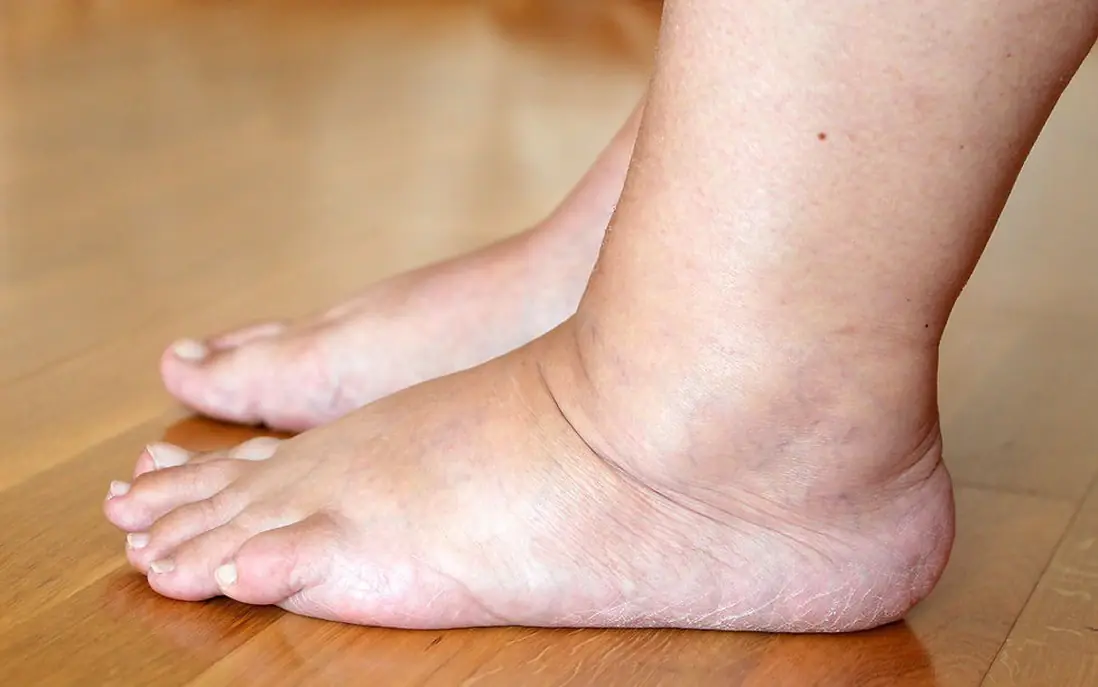
Chapter 1: What Actually Happens When Your Feet Become Swollen?
Swollen feet are usually the result of excess fluid accumulating in the tissues beneath the skin.
In medical terminology, this is known as peripheral edema.
To understand why it happens, it helps to know how fluid normally moves through the body.
Your blood circulates through a network of arteries, veins, and tiny blood vessels called capillaries. These capillaries allow oxygen, nutrients, and fluid to move between the bloodstream and surrounding tissues.
Under normal circumstances, the body maintains a balance between fluid leaving the blood vessels and fluid returning through the circulation and lymphatic system.
However, when this balance is disrupted, excess fluid may collect in the tissues.
Because gravity pulls fluid toward the lower parts of the body, swelling often appears in the feet, ankles, and lower legs.
This explains why someone may have relatively normal-looking legs in the morning but notice significant swelling after spending the entire day standing or sitting.
What does edema look and feel like?
Depending on the cause, swollen feet may have several characteristics:
-
The feet or ankles appear larger than usual.
-
The skin looks stretched, shiny, or unusually tight.
-
Shoes feel uncomfortable or difficult to put on.
-
Socks leave deeper marks around the ankles.
-
The skin may feel heavy or uncomfortable.
-
Pressing gently on the swollen area may leave a temporary indentation.
That last feature is known as pitting edema.
To check for it, a healthcare professional may gently press a finger against the skin over the ankle or lower leg. If an indentation remains briefly after the pressure is released, fluid accumulation may be present.
However, not all edema is pitting edema. Some conditions involving the lymphatic system or thyroid can cause swelling that does not leave a noticeable indentation.
Why do feet swell more often than other body parts?
The feet and ankles are particularly vulnerable because they are located far below the heart.
When someone stands or sits for long periods, gravity encourages fluid to accumulate in the lower extremities.
The veins and calf muscles normally work together to return blood toward the heart. When movement is limited or the veins are not functioning efficiently, fluid may collect in surrounding tissues.
This is why regular movement is important for healthy circulation.
Occasional swelling that improves with movement or elevation may be related to ordinary fluid accumulation. Persistent, painful, or unexplained swelling deserves closer attention.
Chapter 2: 10 Common Reasons Your Feet May Be Swollen
Not every case of swollen feet indicates a serious illness. In fact, many people experience temporary swelling because of daily activities, environmental conditions, or lifestyle habits.
Nevertheless, understanding the possible causes can help you recognize when further evaluation may be necessary.
1. Standing or Sitting for Too Long
One of the most common causes of swollen feet is remaining in the same position for an extended period.
People who work in retail, healthcare, hospitality, manufacturing, or other jobs that require prolonged standing may notice swelling around their ankles by the end of the day.
The same problem can occur in people who spend hours sitting at a desk, driving, or traveling on an airplane.
When the legs remain still, the calf muscles contract less frequently. These muscles normally help push blood through the veins toward the heart.
Reduced movement can make it easier for fluid to accumulate in the lower extremities.
This type of swelling is often worse in the evening and may improve overnight.
What may help?
-
Take short walking breaks throughout the day.
-
Avoid sitting with your legs hanging down for many hours.
-
Move your ankles and feet regularly.
-
Elevate your legs when resting.
-
Avoid remaining in one position for too long.
If swelling continues despite these changes, it should not automatically be blamed on inactivity.
2. Eating Too Much Salt
Your diet can influence how much fluid your body retains.
Sodium, one of the main components of salt, helps regulate fluid balance and nerve and muscle function.
However, consuming excessive sodium can encourage the body to retain water, particularly in people who are sensitive to salt or have conditions affecting their heart or kidneys.
Common sources of excess sodium include:
-
Processed meats.
-
Instant noodles.
-
Canned soups.
-
Salted snacks.
-
Pickled vegetables.
-
Fast food.
-
Packaged sauces.
-
Restaurant meals with heavy seasoning.
Some people may notice temporary puffiness after consuming a very salty meal.
However, sodium intake alone does not explain every case of swollen feet. Persistent edema may indicate an underlying medical condition.
Reducing excessive salt consumption can be beneficial, especially for people with high blood pressure, heart failure, or kidney disease.