The appropriate amount depends on the underlying condition, medications, and medical advice.
Do not force excessive water consumption or severely restrict fluids without professional guidance.
Chapter 8: What You Should Never Do When Your Feet Are Swollen
Some common reactions to swollen feet can make the situation worse or delay necessary treatment.
Here are several mistakes to avoid.
1. Do not ignore sudden one-sided swelling
Sudden swelling in one leg may indicate DVT.
Do not assume it is caused by fatigue, exercise, or sleeping in an unusual position.
Seek urgent medical evaluation, especially if there is pain, warmth, or redness.
2. Do not take diuretics without medical advice
Diuretics, sometimes called water pills, help the body remove excess fluid through urine.
They are used in certain conditions, including heart failure and some cases of edema.
However, taking them without a prescription or changing the dose independently can cause dehydration, low blood pressure, electrolyte abnormalities, and kidney problems.
The cause of the swelling must be identified before treatment is chosen.
3. Do not stop prescribed medication suddenly
Some medications can contribute to swelling, but stopping them without medical guidance may create additional health risks.
Contact the prescribing clinician to discuss possible alternatives or dose adjustments.
4. Do not massage a leg when a blood clot is suspected
If one leg suddenly becomes swollen and painful, DVT must be considered.
Do not attempt to treat the problem with vigorous massage.
Seek urgent medical evaluation instead.
5. Do not assume herbal remedies will remove the fluid
Many products are marketed as natural diuretics or detox remedies.
However, herbal supplements may interact with prescription medications and can affect kidney function, blood pressure, or electrolyte balance.
Some supplements can also cause liver injury.
Do not use an unverified remedy to treat persistent swelling.
Chapter 9: Who Is More Likely to Experience Swollen Feet?
Although anyone can develop edema, certain groups have a higher likelihood of experiencing recurring swelling.
Older adults
As people age, changes in vein function, mobility, medication use, and cardiovascular health can increase the likelihood of edema.
Older adults are also more likely to have multiple medical conditions that affect fluid balance.
Persistent swelling should not automatically be considered a normal part of aging.
People with diabetes
Diabetes can damage blood vessels and nerves over time.
Some people develop kidney disease, heart disease, or circulation problems that contribute to swelling.
Diabetic neuropathy may also reduce sensation in the feet, making it harder to notice injuries or infections.
People with diabetes should check their feet regularly and seek medical attention for new swelling, wounds, redness, or skin changes.
People with high blood pressure
Long-term high blood pressure can damage blood vessels and increase the risk of heart and kidney disease.
Some blood pressure medications can also cause ankle swelling.
People with hypertension should have persistent edema evaluated rather than assuming it is simply a side effect of aging.
People with obesity
Excess body weight can increase pressure on veins and contribute to chronic venous insufficiency.
Obesity is also associated with a higher risk of heart disease, diabetes, and kidney disease.
Gradual weight management may improve overall health and reduce some contributing factors.
People with a history of blood clots
A previous DVT increases the risk of developing another clot.
People with this history should take new swelling or pain in one leg seriously.
Long-distance travel, surgery, prolonged immobility, cancer, and certain hormonal medications can further influence clot risk.
Chapter 10: When Should You See a Doctor?
Not every swollen foot requires emergency treatment, but knowing when to seek help is essential.
You should arrange a medical appointment if:
-
Swelling continues for several days without an obvious explanation.
-
Your feet regularly swell even when you are resting.
-
The swelling is gradually becoming worse.
-
Both ankles are repeatedly swollen.
-
Your skin becomes stretched, discolored, or uncomfortable.
-
You notice unexplained weight gain.
-
You have diabetes, kidney disease, heart disease, or liver disease.
-
Swelling begins after starting a new medication.
A healthcare professional can determine whether the cause is related to circulation, fluid retention, medication, or another medical condition.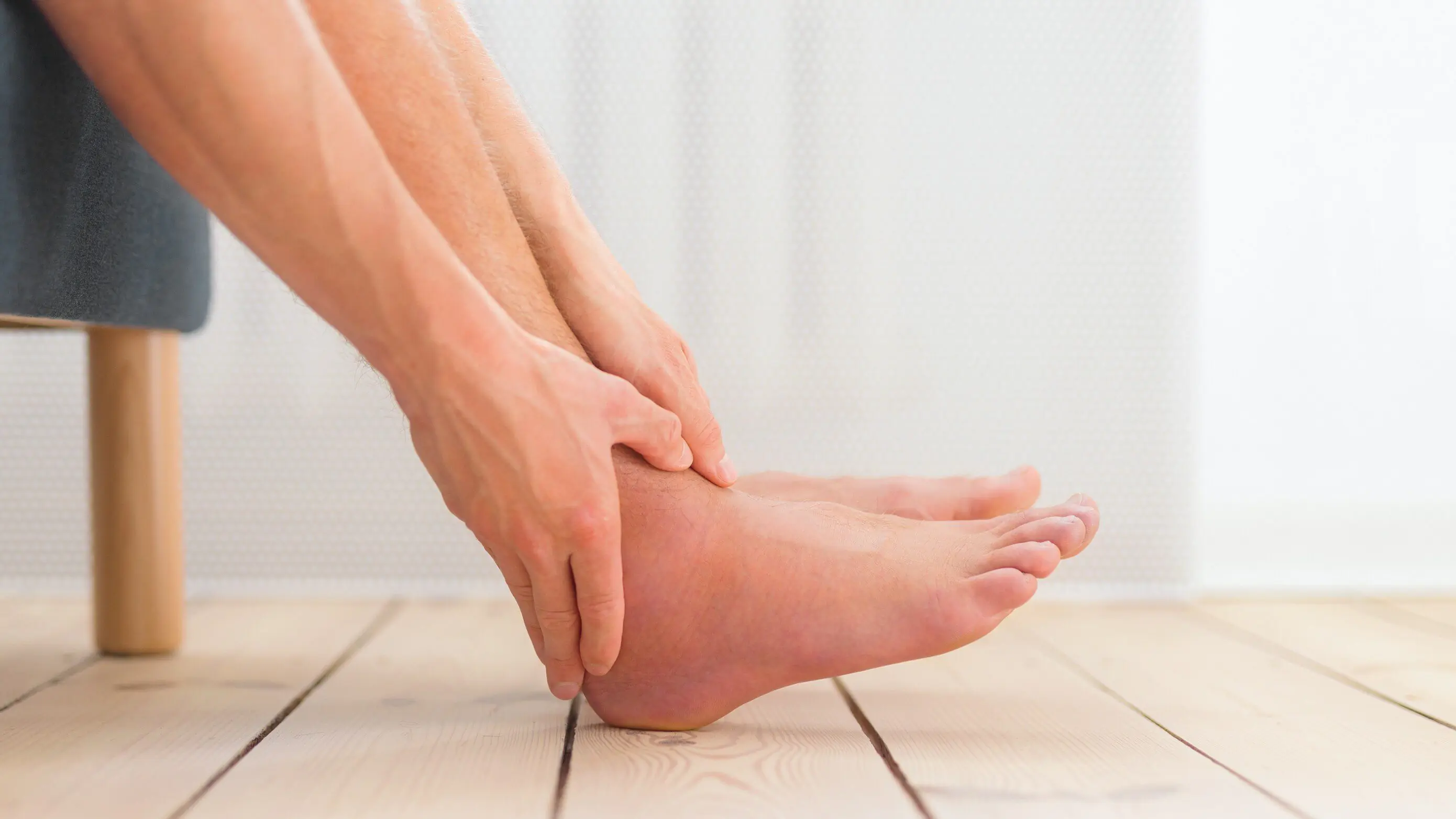
Symptoms that require urgent or emergency care
Seek urgent medical attention if you experience sudden swelling in one leg, especially when accompanied by pain, redness, or warmth.
Call emergency services if swollen feet occur alongside:
-
Sudden or severe shortness of breath.
-
Chest pain or pressure.
-
Fainting or severe dizziness.
-
Coughing up blood.
-
Severe confusion.
-
Rapid deterioration in your overall condition.
These symptoms may indicate a serious complication such as pulmonary embolism or acute heart or lung problems.
If you are pregnant and develop sudden swelling of the face or hands together with severe headache, visual disturbances, or upper abdominal pain, seek immediate obstetric assessment.
Final Thoughts: Swollen Feet Are a Symptom, Not a Diagnosis
Swollen feet may seem like a minor inconvenience, particularly when they appear after a long day of standing or sitting.
In many cases, temporary swelling is related to gravity, heat, reduced movement, or dietary factors.
However, persistent or unexplained edema can sometimes be a sign of an underlying health problem involving the heart, kidneys, liver, veins, or lymphatic system.
The pattern of swelling matters.
Swelling in both feet may be associated with systemic conditions or circulation problems, while sudden swelling in one leg can raise concern about a blood clot or localized injury.
Other symptoms, including shortness of breath, chest pain, jaundice, reduced urine output, fever, or unexplained weight gain, can provide important clues.
The most important thing is not to diagnose yourself based on the appearance of your feet alone.
Pay attention to when the swelling begins, whether it affects one or both legs, how long it lasts, and what other symptoms occur.
Simple habits such as regular movement, appropriate leg elevation, comfortable footwear, and reducing excessive sodium may help in some situations. But if swelling persists or appears alongside warning signs, medical evaluation is essential.
Your feet may be showing you that something has changed inside your body. Listening to those signals and understanding their possible causes is an important step toward protecting your long-term health.