Chapter 1: When Your Heartbeat Suddenly Feels Different
The heart is one of the most important organs in the human body, working continuously to deliver oxygen-rich blood to the brain, muscles, and other tissues. Most of the time, people are barely aware of their heartbeat. It continues quietly in the background, adjusting its rhythm according to whether the body is resting, moving, sleeping, exercising, or responding to stress. However, there are moments when the heartbeat becomes noticeable. It may suddenly race, slow down, skip a beat, flutter in the chest, or seem to follow an unusual rhythm.
For some people, the sensation occurs after climbing stairs, running, exercising, or experiencing an emotional situation. In those circumstances, the heart may be responding normally to the body's increased demand for oxygen. But when a heartbeat becomes unexpectedly fast, unusually slow, or irregular while a person is resting, it can understandably cause concern.
The condition commonly associated with an abnormal heart rhythm is called an arrhythmia. Arrhythmias occur when the electrical signals that control the heartbeat do not function in their usual pattern. Depending on the type of arrhythmia, the heart may beat too quickly, too slowly, or irregularly.
Some rhythm changes are harmless and may occur even in otherwise healthy people. Others can interfere with the heart's ability to pump blood efficiently and may require medical evaluation, monitoring, or treatment.
Understanding why the heart sometimes beats too fast or too slow can help people recognize what may be happening inside their bodies, identify possible triggers, and know when symptoms deserve medical attention.
Chapter 2: How the Heart Normally Controls Its Rhythm
The heart is not simply a muscle that contracts whenever it receives blood. It has a sophisticated electrical system that coordinates each heartbeat. This system allows the chambers of the heart to contract in a carefully organized sequence so that blood moves efficiently through the body.
The heartbeat normally begins in a small group of specialized cells located in the upper right chamber of the heart. These cells form the sinoatrial node, commonly called the SA node. It acts as the heart's natural pacemaker by generating electrical impulses that initiate each heartbeat.
The electrical signal spreads across the upper chambers, known as the atria, causing them to contract and push blood into the lower chambers, called the ventricles. The signal then reaches another specialized structure called the atrioventricular node, or AV node.
The AV node briefly delays the electrical signal. This pause allows the ventricles to fill with blood before they contract. Afterward, the signal travels through specialized pathways into the ventricles, causing them to contract and send blood toward the lungs and the rest of the body.
This process normally repeats in a coordinated pattern throughout the day and night.
A resting adult heart rate is commonly between approximately 60 and 100 beats per minute. However, this range is not an absolute rule for every individual. Some healthy people, especially those who are physically active or highly trained, may have a resting heart rate below 60 beats per minute without experiencing any symptoms.
The heart rate also changes naturally. It may increase during exercise, emotional stress, illness, fever, dehydration, or when the body needs more oxygen. It may decrease during sleep or periods of deep relaxation.
These changes are part of the body's normal response to different situations. The concern arises when the rhythm becomes abnormal in a way that causes symptoms, occurs unexpectedly, or reflects an underlying problem with the heart's electrical system.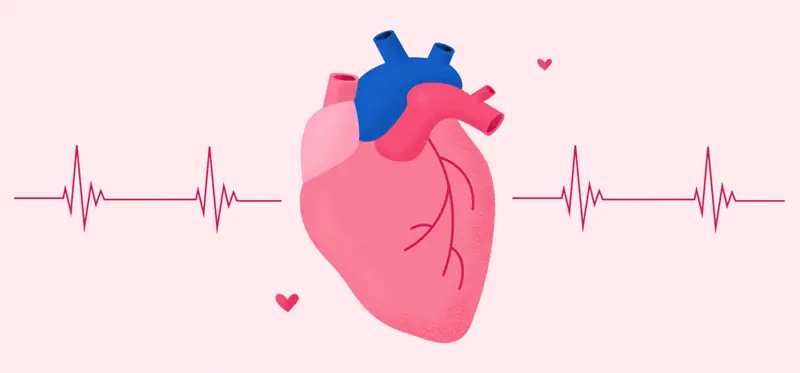
Chapter 3: What Is an Arrhythmia?
An arrhythmia is a disorder of the heart's rhythm. It occurs when the electrical impulses that regulate the heartbeat become abnormal, causing the heart to beat too quickly, too slowly, or irregularly.
The word arrhythmia is often used to describe a wide range of conditions. Some are relatively mild, while others may be serious or potentially life-threatening.
A fast heart rhythm is generally called tachycardia. In adults, a resting heart rate above 100 beats per minute is commonly classified as tachycardia, although the cause and circumstances are important. A heart rate of 120 beats per minute during exercise may be completely normal, while the same rate during prolonged rest may require investigation.
A slow heart rhythm is called bradycardia. In adults, a resting heart rate below 60 beats per minute is often described as bradycardia. However, this does not automatically mean that something is wrong. Many athletes and physically active individuals have naturally slower heart rates because their hearts can pump blood efficiently with fewer beats.
An irregular rhythm may involve heartbeats that occur too early, too late, or in an unpredictable pattern. Some people describe this sensation as fluttering, pounding, skipping, or a brief pause followed by a stronger heartbeat.