The best approach is neither panic nor neglect. A brief, improving cold usually needs ordinary supportive care, while persistent or unusual symptoms deserve an assessment. Severe pain, eye symptoms, facial swelling, neurological changes, or symptoms in someone at high risk require greater urgency. When it comes to the nose, the pattern and progression of symptoms are far more useful than trying to match them to a dramatic online image.
Protecting Nasal Health and Choosing the Right Treatment
Chapter: Prevention, Professional Care, and What Readers Should Remember
The nose is exposed to the outside environment every day, so keeping it healthy is less about eliminating every microorganism and more about protecting the natural defenses that keep the nasal passages functioning properly. Simple habits can reduce irritation, help manage dryness, and make it easier to recognize when something is wrong. Although these steps cannot prevent every infection, they offer a sensible foundation for everyday nasal care.
The first step is to avoid repeatedly injuring the inside of the nose. Nose picking may seem harmless, especially when dry mucus causes discomfort, but fingernails can scratch delicate tissue and trigger bleeding. Repeated irritation can lead to scabs and crusts that tempt a person to pick again. Breaking this cycle may allow the lining to recover. Keeping fingernails clean, washing hands regularly, and avoiding unnecessary contact with the nostrils are practical ways to reduce irritation and the transfer of germs.
When dryness is the problem, a saline nasal spray may provide relief by moistening the nasal lining. Some people also find that maintaining comfortable indoor humidity helps. Any device used to add moisture to a room should be cleaned regularly according to its instructions, because poorly maintained equipment can accumulate contaminants. People with persistent dryness, recurring bleeding, or symptoms that continue despite simple measures should seek medical advice rather than continually experimenting with products.
Nasal irrigation can help some people manage mucus and chronic sinus symptoms, but safe technique matters. Use only distilled, sterile, or previously boiled and cooled water for nasal rinsing. Follow the instructions for the irrigation device, clean it properly, and avoid sharing it with others. If someone has recently undergone nasal surgery or has a particular medical condition, they should ask their healthcare professional whether irrigation is suitable and when it can safely begin.
Environmental irritation is another factor to consider. Dust, smoke, strong fumes, and allergens can aggravate symptoms in susceptible people. Reducing exposure where possible may make breathing more comfortable. Those who work around heavy dust should follow appropriate workplace safety guidance and use recommended protective equipment. However, ordinary exposure to dust or environmental fungi does not automatically mean that a person will develop a fungal sinus infection.
Managing underlying health conditions is especially important for people at increased risk of severe infection. Individuals with diabetes should follow their treatment plan and attend recommended appointments. Those receiving chemotherapy or medicines that suppress the immune system should discuss their infection risks with their medical team. If new nasal symptoms appear or worsen in these circumstances, early contact with a healthcare professional is preferable to waiting for a home remedy to work.
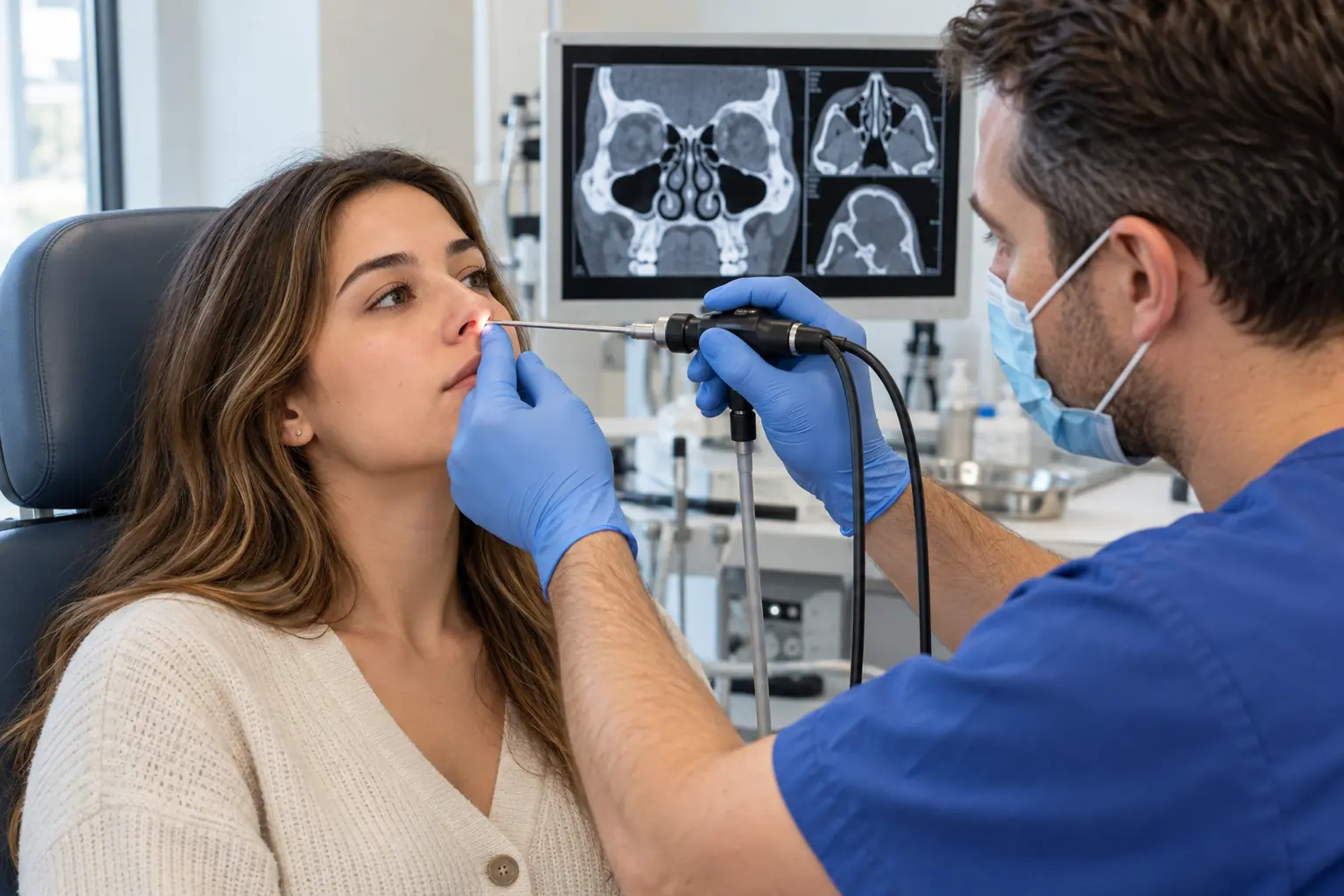
There is no single treatment for every condition described as fungal growth inside the nose. For a fungal ball, a specialist may recommend endoscopic surgery to remove the accumulated material and restore drainage. Allergic fungal rhinosinusitis may require a combination of procedures and medication to control inflammation and reduce the chance of recurrence. Invasive fungal disease may require emergency treatment, including surgical removal of affected tissue and systemic antifungal medicines. The choice depends on the diagnosis, severity, and the patient’s overall health.
This is why self-treatment can be risky. Antibiotics do not treat fungal infections, while antifungal medicines are not necessary for every case in which fungi are detected or suspected. Using medication without a diagnosis can delay appropriate care, expose a person to side effects, or fail to address the real problem. Likewise, inserting oils, herbal mixtures, or other unapproved substances into the nose may irritate the lining and should not replace recommended medical treatment.
Readers should also be cautious about sensational health stories shared online. A photograph can illustrate a possible medical condition, but it cannot establish the identity of a patient, the diagnosis, or the cause of the illness. Unless a credible report provides a verified medical history and appropriate evidence, it is not possible to conclude that a particular habit led to the condition shown. A headline may simplify a complex event to attract attention, but good health decisions require more than a compelling image.
The common habit discussed in this article—picking the nose—does deserve attention because repeated picking can damage the nasal lining and may contribute to local irritation or infection. Avoiding the habit, washing hands, and managing dryness gently are reasonable steps. Nevertheless, there is not enough evidence to claim that nose picking is a direct, general cause of fungal sinusitis. Readers should not interpret the headline as proof that ordinary nose picking will produce fungal growth inside the sinuses.
The more useful lesson is to know when symptoms need attention. A blocked nose that gradually improves is different from persistent one-sided obstruction, repeated bleeding, worsening facial pain, or symptoms that return again and again. Eye swelling, visual changes, facial numbness, confusion, or rapidly worsening illness call for urgent assessment, especially in people with weakened immune systems.
Ultimately, nasal health depends on understanding the difference between everyday irritation and a condition that needs specialist care. Gentle hygiene and avoiding injury can help protect the nose, while persistent symptoms deserve a proper evaluation. The goal is not to frighten people about a common habit, but to encourage informed choices and timely treatment when it is needed.