For properties that experience frequent snake encounters, especially where young children or vulnerable pets use a particular outdoor area, a physical barrier may offer an additional layer of protection.
However, an ordinary garden fence is not necessarily designed to exclude snakes. Many snakes can pass through gaps beneath fences or through openings between fence components.
A purpose-built snake-exclusion fence requires suitable materials, careful installation, and regular inspection.
What makes a barrier more effective?
Depending on local species and site conditions, a specialist may recommend tightly fitted mesh with appropriately small openings, a suitable fence height, and a design that limits climbing or passage underneath.
The bottom edge must be installed so that snakes cannot simply travel beneath it. Gates and corners require particular attention because even a small gap may compromise the barrier.
The correct specifications vary according to the species involved, the terrain, drainage needs, and local regulations. A professional familiar with local snakes can help determine whether a barrier is practical for your property.
A barrier also requires maintenance. Vegetation, soil movement, storm damage, and everyday wear can create openings over time.
Is fencing necessary for every yard?
No. For many homes, basic habitat management and exclusion of entry points are more practical first steps.
Specialized fencing may be useful when encounters are frequent, the surrounding habitat creates a persistent risk, or a specific play area needs additional protection.
However, even a well-installed fence cannot guarantee that a snake will never enter. It should complement other precautions rather than replace them.
Keep gates closed when appropriate, supervise children in areas where snakes are known to occur, and teach family members to leave unfamiliar wildlife alone.
If you are considering a barrier, seek advice based on the species found in your region rather than relying on a generic design advertised online.
8. Be Skeptical of Snake Repellents and Popular Home Remedies
Perhaps the most tempting solution is also one of the most widely misunderstood: placing a strong-smelling substance around the garden to make snakes leave.
You may encounter claims that mothballs, sulfur, cinnamon, garlic, essential oils, or other substances will create an invisible boundary that snakes refuse to cross.
These claims can sound convincing, particularly when they promise an easy solution without requiring landscaping or maintenance.
Unfortunately, many commonly promoted snake repellents have not demonstrated reliable effectiveness under real-world conditions. Wildlife-management guidance generally emphasizes habitat modification and exclusion rather than relying on odors alone. [1][2]
Why scent-based methods are unreliable
Snakes use chemical cues to gather information about their surroundings, but this does not mean that every strong smell repels them.
A substance that affects one species under controlled conditions may not produce the same response in another species or in an outdoor environment.
Rain, sunlight, temperature, wind, and soil conditions can also change how long a substance remains present.
Even if a product has shown some effect in a limited experiment, that does not establish that it will protect an entire yard.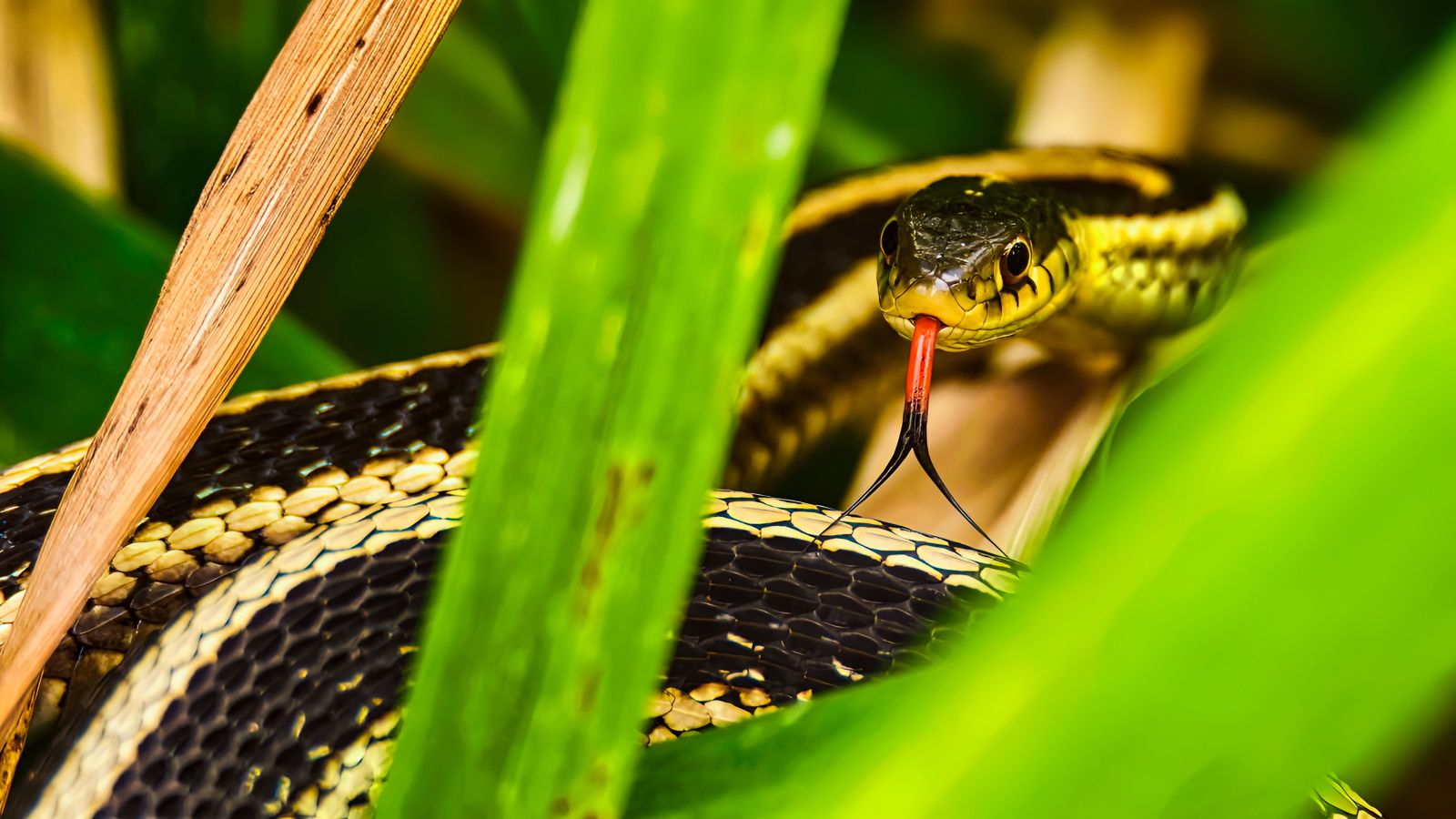
Avoid potentially dangerous substances
Do not scatter mothballs around the garden as a snake-control method. These products contain chemicals intended for specific labeled uses, and improper exposure can endanger children, pets, and wildlife.
Likewise, avoid pouring fuels, harsh chemicals, or other toxic substances around the property. These practices may contaminate soil or water, harm beneficial organisms, and create risks without reliably keeping snakes away.
Be cautious about online advice that promises complete protection from a particular plant, powder, or homemade mixture.
What works better?
Return to the fundamentals: keep grass manageable, remove unnecessary debris, reduce rodent attractants, maintain buildings, and use suitable exclusion barriers when needed.
These steps address the environmental conditions that can make a property attractive to snakes, rather than depending on a smell that may have little or no effect.
If a product promises to keep every snake away with almost no effort, look for credible evidence before spending your money.
What Should You Do If You Actually See a Snake?
Even a well-maintained yard can occasionally attract a snake. The animal may simply be passing through, searching for food, or moving between nearby habitats.
Your response matters more than trying to determine immediately whether the snake is dangerous.
First, stop and give it plenty of space. Do not attempt to touch, catch, corner, or kill it. Snakes may bite defensively when they feel threatened or trapped, and approaching them to identify them can increase the risk of injury. [3]