Seven Warning Signs of Late-Stage Stomach Cancer You Should Never Ignore
Stomach cancer, also known as gastric cancer, is one of the most dangerous cancers because it often develops quietly. In its early stages, symptoms are vague or easily mistaken for common digestive problems. By the time clear warning signs appear, the disease may already be advanced. Late-stage stomach cancer can progress rapidly, making early recognition of symptoms critical for timely medical intervention.
Understanding these warning signs does not mean jumping to conclusions, but ignoring them can delay diagnosis and reduce treatment options. Below are seven serious symptoms commonly associated with late-stage stomach cancer.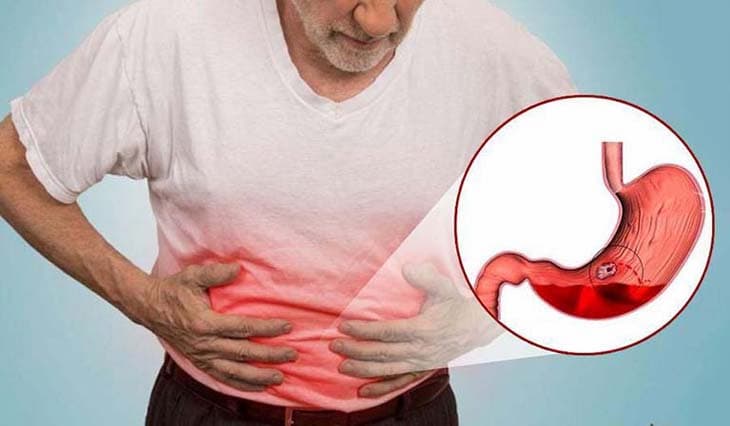
1. Persistent and Severe Abdominal Pain
Occasional stomach pain is common, but persistent pain that worsens over time is not normal. In late-stage stomach cancer, pain often becomes constant and may feel deep, burning, or crushing. It is usually located in the upper abdomen and does not improve with antacids or dietary changes.
This pain can intensify after eating or during the night, indicating that the tumor may be invading surrounding tissues or organs.
2. Unexplained Weight Loss and Loss of Appetite
Rapid weight loss without trying is one of the most concerning cancer symptoms. In advanced stomach cancer, patients often experience a strong loss of appetite and feel full after eating very small amounts.
This happens because the tumor interferes with digestion and nutrient absorption. The body may also burn more energy due to the disease itself. When weight loss occurs alongside digestive discomfort, it should never be ignored.
3. Difficulty Swallowing or a Feeling of Food Getting Stuck
As stomach cancer progresses, it can affect the passage of food from the esophagus into the stomach. People may feel that food gets stuck in the chest or throat, especially when eating solid foods.
This symptom often leads to avoidance of meals, worsening malnutrition and weakness. Difficulty swallowing is a late and serious sign that requires immediate medical evaluation.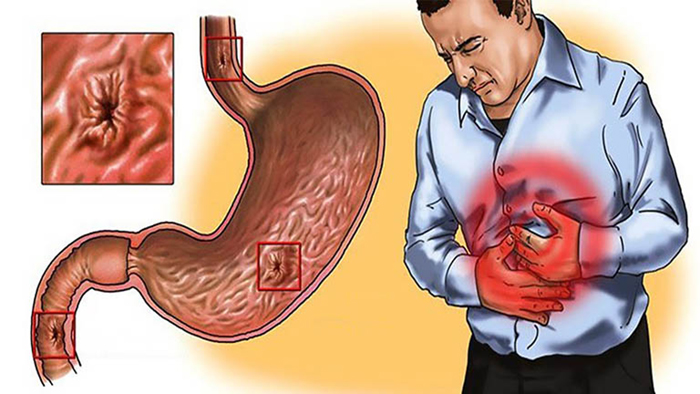
4. Chronic Nausea and Frequent Vomiting
Ongoing nausea and vomiting that does not improve is another red flag. In late-stage stomach cancer, vomiting may occur after meals or even on an empty stomach.
In some cases, vomit may contain blood or resemble dark coffee grounds, which indicates internal bleeding. Persistent vomiting not only signals serious disease but also leads to dehydration and electrolyte imbalance.
5. Black or Bloody Stools
Changes in stool color can reveal internal bleeding. Black, tar-like stools often indicate bleeding in the upper digestive tract, including the stomach. Bright red blood may also appear in some cases.
Blood loss may occur slowly and go unnoticed at first, eventually leading to anemia. This symptom is often overlooked until weakness or dizziness develops, making it a dangerous sign of advanced disease.
6. Extreme Fatigue and Weakness
Fatigue in late-stage stomach cancer is not ordinary tiredness. It is deep, persistent exhaustion that does not improve with rest. This is often caused by anemia from chronic bleeding, poor nutrient absorption, or the body’s response to widespread cancer.
Simple daily tasks may become difficult, and concentration may decline. When fatigue is combined with other digestive symptoms, it should raise immediate concern.