💧⚠️ Experts Warn: This Common Water-Drinking Habit May Do More Harm Than Good
Water is essential for life. It helps regulate body temperature, transports nutrients, supports digestion, and allows the kidneys to remove waste products from the body. Staying hydrated is one of the simplest ways to support overall health.
But while drinking enough water is important, more isn't always better. Health experts say that how you drink water—and how much—can also matter. Certain hydration habits may not be as beneficial as many people believe and, in some cases, could even lead to health problems.
Here's what you should know.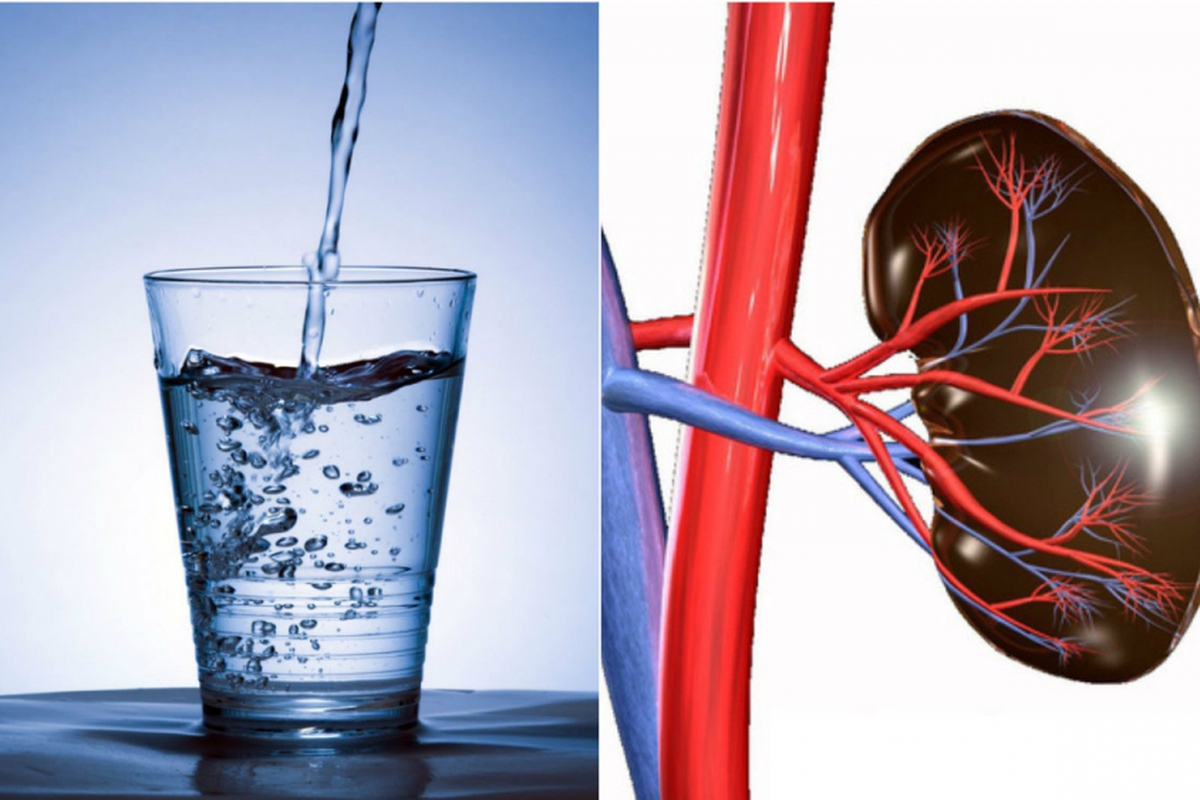
Why Water Matters
About 50–60% of the adult human body is made up of water. Every organ depends on it to function properly.
Adequate hydration helps:
- Support healthy kidney function
- Aid digestion
- Regulate body temperature
- Lubricate joints
- Maintain blood circulation
- Transport oxygen and nutrients throughout the body
Most healthy adults can maintain proper hydration by drinking water regularly throughout the day and eating water-rich foods such as fruits and vegetables.
The Common Mistake: Drinking Too Much Water in a Short Time
Many people believe that drinking large amounts of water all at once is a great way to "flush out toxins."
However, experts say this isn't how the body works.
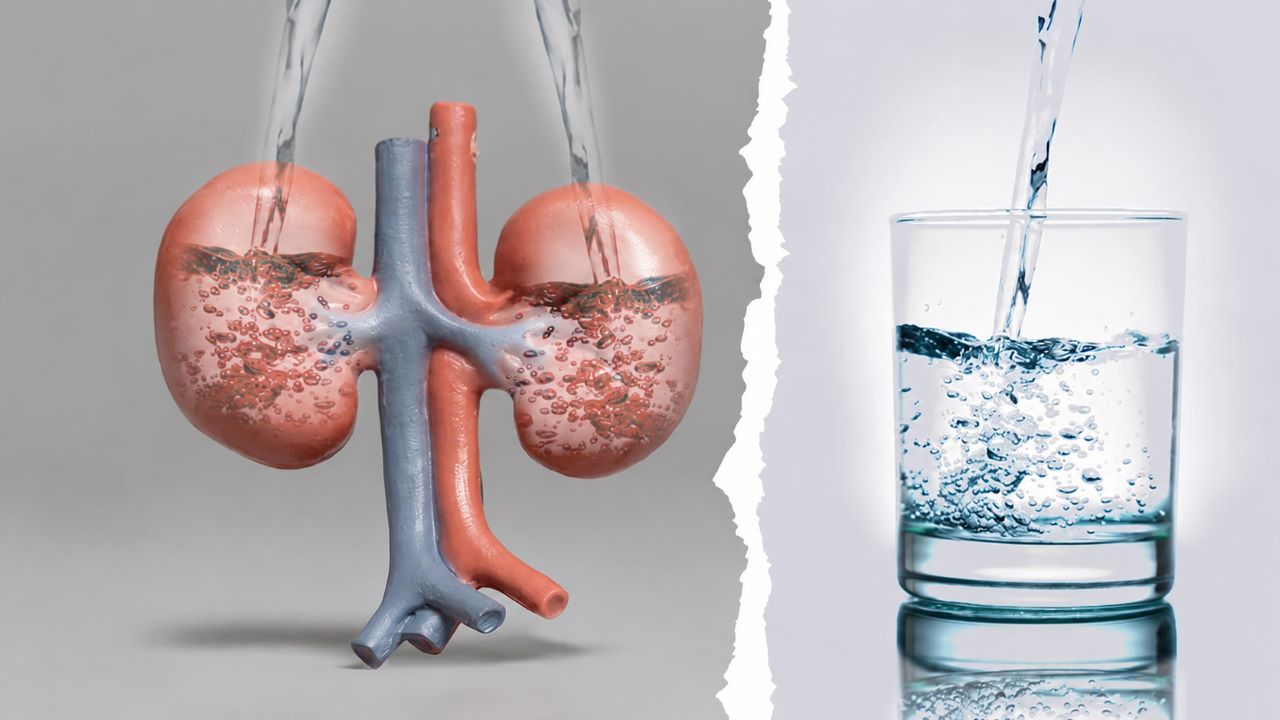
Your kidneys continuously filter your blood throughout the day. Drinking excessive amounts of water in a very short period doesn't make your kidneys work better—it simply means they must process more fluid over a shorter time.
In extreme cases, drinking far more water than the kidneys can eliminate may lead to water intoxication, also known as hyponatremia. This condition occurs when sodium levels in the blood become dangerously diluted.
Symptoms may include:
- Headache
- Nausea
- Confusion
- Muscle cramps
- Fatigue
- Vomiting
Severe hyponatremia is a medical emergency and requires immediate treatment.
Fortunately, it is uncommon and usually occurs after consuming unusually large amounts of water within a short period.
Does Drinking Too Much Water Damage the Kidneys?
For most healthy people, simply drinking water when thirsty or following normal hydration habits does not damage the kidneys.
In fact, proper hydration supports normal kidney function.
However, forcing yourself to drink excessive amounts every day without medical reason does not provide additional kidney benefits.
People with kidney disease, heart failure, or certain hormonal disorders may actually need to limit their fluid intake according to their healthcare provider's recommendations.
What About the Liver?
You may have heard claims that drinking water in certain ways can "cleanse" or "detox" the liver.
The truth is more reassuring.
A healthy liver already performs the body's natural detoxification processes. Water supports overall health, but no drinking method can magically cleanse the liver or remove toxins.
Likewise, there is no strong scientific evidence that normal water-drinking habits directly damage the liver in healthy individuals.
If you have liver disease, your doctor may recommend specific fluid guidelines based on your condition.
Other Hydration Habits Worth Avoiding
1. Waiting Until You're Extremely Thirsty
Thirst is a normal signal that your body needs fluids.
However, waiting until you're very thirsty—especially during hot weather or exercise—may mean you're already becoming mildly dehydrated.
Instead, sip water regularly throughout the day.
2. Replacing Water With Sugary Drinks
Soft drinks, sweetened teas, energy drinks, and sugary fruit beverages can add excess calories and sugar without providing the same benefits as plain water.
Whenever possible, make water your primary beverage.
3. Drinking Large Amounts Before Bed
Drinking excessive fluids immediately before bedtime may increase nighttime bathroom trips and disrupt sleep.
If this happens frequently, try drinking more earlier in the day instead.
4. Ignoring Your Body's Needs
Fluid requirements vary depending on:
- Age
- Body size
- Physical activity
- Climate
- Pregnancy
- Breastfeeding
- Medical conditions
There is no single amount of water that is perfect for everyone.
How Much Water Do You Really Need?
Rather than focusing on a specific number of glasses each day, many experts recommend paying attention to your body's natural signals.
Signs of adequate hydration often include:
- Pale yellow urine
- Normal energy levels
- Moist mouth
- Normal thirst
People who exercise intensely, work outdoors, or live in hot climates usually require more fluids than those who are less active.
Tips for Healthy Hydration
Simple habits can help you stay hydrated safely:
- Drink water consistently throughout the day.
- Increase fluids during exercise or hot weather.
- Eat fruits and vegetables with high water content, such as watermelon, oranges, cucumbers, and lettuce.
- Limit sugary beverages.
- Don't force yourself to drink excessive amounts if you're not thirsty unless advised by your healthcare provider.
The Bottom Line
Water is one of the healthiest beverages you can choose, but more isn't always better. Drinking excessive amounts of water in a short period offers no extra health benefits and, in rare cases, can lead to serious complications such as hyponatremia.
For most people, the healthiest approach is simple: drink water regularly, respond to your body's thirst signals, and maintain a balanced lifestyle. If you have kidney disease, liver disease, heart conditions, or another chronic illness, follow your healthcare provider's recommendations regarding fluid intake.
Disclaimer: This article is for educational purposes only and should not replace professional medical advice. If you experience symptoms of dehydration, overhydration, or have concerns about your fluid intake, consult a qualified healthcare professional.