Bedbugs are among the most frustrating household pests. Although they do not typically spread disease to humans, their bites can cause itching, allergic reactions, sleep disturbances, and significant stress. Because bedbugs are small, excellent at hiding, and reproduce quickly, an infestation can become difficult to control if it is not detected early.
The good news is that bedbugs can be eliminated with the right approach. Early detection, proper cleaning, and, in some cases, professional pest control are the most effective strategies.
Here's everything you should know about identifying bedbugs, preventing their spread, and safely removing them from your home.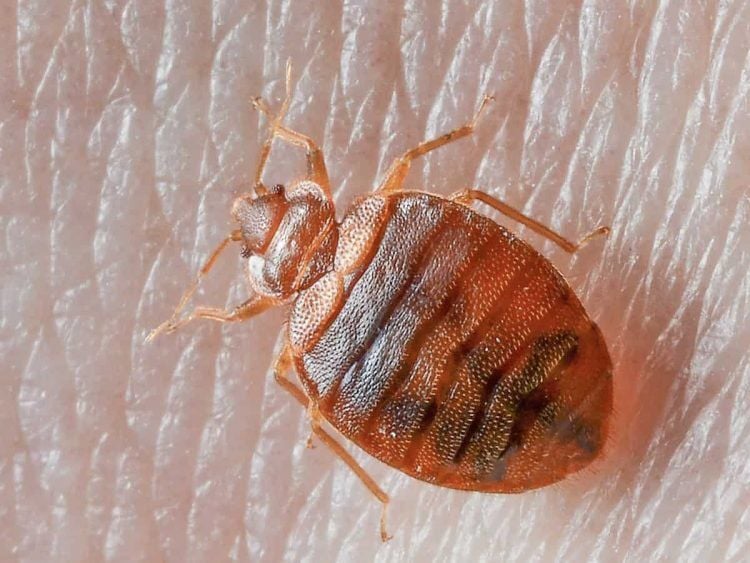
What Are Bedbugs?
Bedbugs (Cimex lectularius) are small, reddish-brown insects that feed on human blood.
Adult bedbugs are:
-
About the size of an apple seed
-
Flat and oval-shaped
-
Wingless
-
Excellent at hiding in tiny cracks and crevices
They are most active at night and typically hide during the day.
Where Do Bedbugs Hide?
Despite their name, bedbugs don't live only in beds.
Common hiding places include:
-
Mattress seams
-
Box springs
-
Bed frames
-
Headboards
-
Furniture joints
-
Upholstered chairs
-
Behind baseboards
-
Inside electrical outlets
-
Behind picture frames
-
Luggage
-
Clothing
They can squeeze into spaces as thin as a credit card.
Signs You May Have Bedbugs
Early detection is important because smaller infestations are usually easier to control.
Look for these common signs:
1. Bite Marks
Bedbug bites often appear as:
-
Small red bumps
-
Itchy welts
-
Groups or lines of bites
-
Bites on exposed skin such as the arms, legs, neck, or face
However, not everyone reacts to bedbug bites, and similar bite patterns can be caused by other insects.
2. Tiny Blood Spots
You may notice:
-
Small reddish stains on sheets
-
Blood spots on pillowcases
-
Marks on pajamas
These can occur if a bedbug is accidentally crushed after feeding.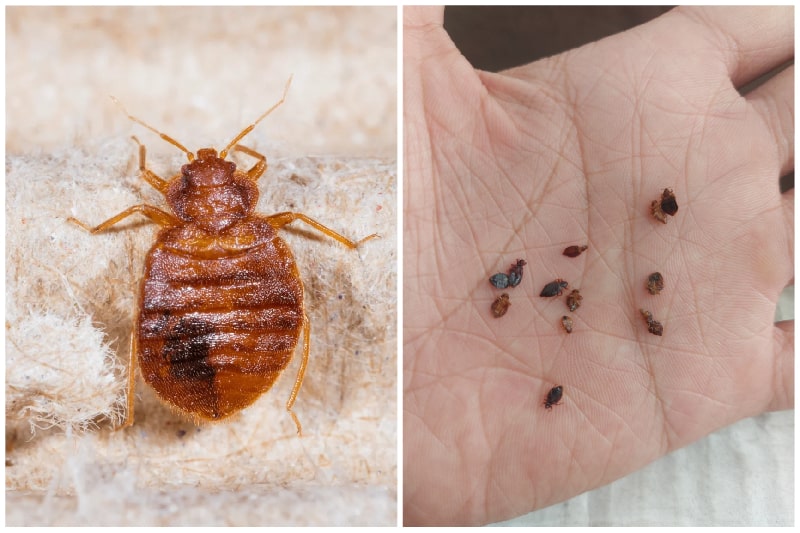
3. Dark Specks
Bedbug droppings appear as:
-
Tiny black dots
-
Ink-like stains
-
Small dark smears on mattresses or furniture
These are one of the most reliable signs of an infestation.
4. Shed Skins
As bedbugs grow, they shed their outer shells.
Finding pale, empty skins around mattress seams or furniture is another clue.
5. Live Bedbugs
Adult bedbugs are visible without magnification.
They often hide during the day and become active at night.
How Do Bedbugs Spread?
Bedbugs do not jump or fly.
Instead, they spread by hitchhiking on:
-
Luggage
-
Clothing
-
Backpacks
-
Used furniture
-
Mattresses
-
Boxes
-
Bedding
They can also move between apartments through wall openings or utility lines.
Having bedbugs is not a sign of poor hygiene. Even very clean homes and hotels can become infested.
Can Bedbugs Make You Sick?
Current evidence indicates that bedbugs are not known to transmit diseases to humans under normal circumstances.
However, they can still cause problems such as:
-
Itching
-
Skin irritation
-
Allergic reactions
-
Sleep disruption
-
Anxiety or stress
Scratching bites excessively may also lead to secondary skin infections.
How to Get Rid of Bedbugs
Successful bedbug control usually requires multiple methods rather than relying on a single treatment.
1. Wash Bedding at High Temperatures
Wash:
-
Sheets
-
Pillowcases
-
Blankets
-
Clothing
Use hot water whenever the fabric allows.
Dry items on the highest heat setting recommended for the fabric, as heat is highly effective at killing bedbugs and their eggs.
2. Vacuum Thoroughly
Vacuum:
-
Mattress seams
-
Bed frames
-
Floors
-
Carpets
-
Furniture
-
Baseboards
After vacuuming, immediately seal and dispose of the vacuum contents outside the home if your vacuum uses disposable bags, or empty the canister into a sealed bag.
3. Reduce Clutter
Clutter creates countless hiding places.
Keeping rooms organized makes inspections and treatment much easier.
4. Use Mattress and Box Spring Encasements
Specially designed bedbug-proof covers trap existing insects inside and help prevent new ones from entering.
These covers should remain in place for the recommended period.
5. Inspect Nearby Furniture
Check:
-
Nightstands
-
Sofas
-
Chairs
-
Curtains
-
Headboards
Treating only the mattress may not eliminate the infestation.
Should You Throw Away Your Mattress?
Not necessarily.
Many mattresses can be successfully treated.
Discarding furniture without proper precautions may actually spread bedbugs to other areas.
If you must dispose of an infested mattress:
-
Wrap it securely.
-
Label it as infested when appropriate.
-
Follow local disposal guidelines.
Do Home Remedies Work?
Many internet tips claim to eliminate bedbugs using products such as:
-
Essential oils
-
Baking soda
-
Alcohol sprays
Scientific evidence supporting these methods is limited.
Some products, particularly alcohol sprays, may create fire hazards without effectively eliminating an infestation.
Professional treatment is often necessary for moderate or severe infestations.
When Should You Call a Pest Control Professional?
Professional pest control is recommended if:
-
Bedbugs continue appearing after cleaning.
-
The infestation is widespread.
-
Multiple rooms are affected.
-
You live in an apartment where neighboring units may also be infested.
Professionals may use a combination of:
-
Targeted insecticides
-
Heat treatments
-
Steam treatments
-
Follow-up inspections
Integrated pest management approaches are generally the most effective.
How to Prevent Bedbugs
Reducing your risk starts with good inspection habits.
When Traveling
-
Inspect hotel mattresses and headboards.
-
Keep luggage on luggage racks rather than beds.
-
Avoid placing clothes directly on upholstered furniture.
After Returning Home
-
Inspect luggage carefully.
-
Wash travel clothing promptly.
-
Dry clothing on high heat when appropriate.
When Buying Used Furniture
Carefully inspect:
-
Mattresses
-
Couches
-
Chairs
-
Wooden furniture
Avoid bringing infested items into your home.
Common Myths About Bedbugs
Myth 1: Bedbugs Only Live in Dirty Homes
False.
Bedbugs are attracted to people—not dirt.
Even spotless homes can become infested.
Myth 2: Bedbugs Only Live in Beds
False.
They may hide throughout a room, including furniture, walls, and small cracks.
Myth 3: One Treatment Solves Every Infestation
False.
Because eggs may survive initial treatments, repeated inspections and follow-up treatments are often necessary.
When Should You See a Doctor?
Most bedbug bites improve without medical treatment.
However, seek medical care if you experience:
-
Severe allergic reactions
-
Widespread swelling
-
Difficulty breathing
-
Signs of skin infection, such as increasing redness, warmth, pus, or fever
-
Persistent itching that does not improve
A healthcare provider can recommend appropriate treatment for symptoms.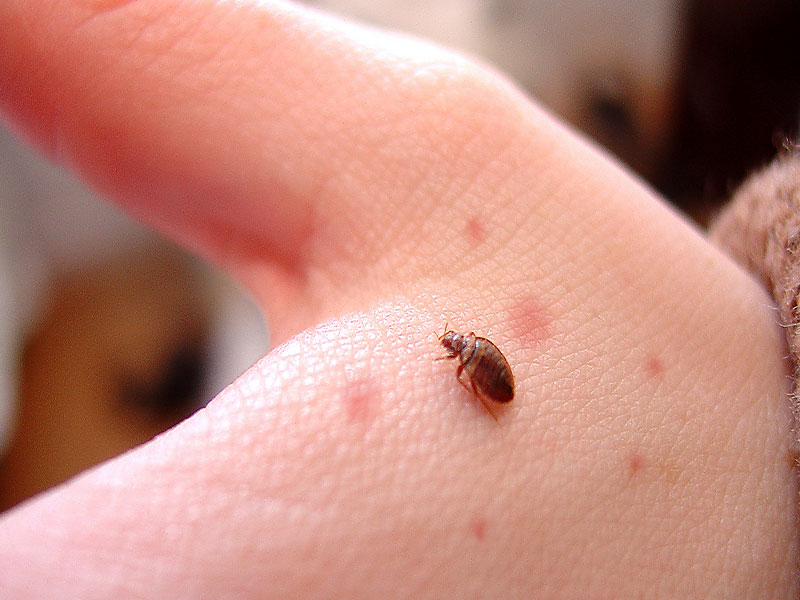
Final Thoughts
Bedbugs can be stressful, but they are a manageable problem when detected early. Learning to recognize the signs - such as itchy bites, blood spots, dark droppings, shed skins, and live insects can help you respond before an infestation becomes severe.
The most effective approach combines prompt cleaning, high-temperature washing and drying, careful vacuuming, clutter reduction, and regular inspections. For larger infestations, professional pest control is often the safest and most reliable solution.
Most importantly, remember that bedbugs are not a reflection of personal cleanliness. They can affect anyone. Acting quickly and using evidence-based control methods gives you the best chance of eliminating them and preventing them from returning.