Knowing the warning signs is important, but knowing how to respond is even more important.
The appropriate response depends on the symptoms.
Seek emergency care immediately for a sudden severe headache
A sudden, extremely painful headache that reaches maximum intensity within seconds or a minute is a medical emergency.
This is particularly true if it is accompanied by vomiting, neck stiffness, visual disturbances, weakness, confusion, seizures, or loss of consciousness.
Call emergency services immediately.
In Vietnam, call 115 for emergency medical assistance.
Do not drive yourself to the hospital. Do not wait for the headache to disappear. Do not attempt to diagnose the problem at home.
Do not ignore sudden neurological changes
Sudden facial drooping, one-sided weakness, speech difficulties, loss of balance, or vision changes also require emergency evaluation.
These symptoms may indicate a stroke or another serious neurological condition, even if they are not caused by an aneurysm.
Medical professionals need to determine the cause as quickly as possible.
Seek prompt medical advice for persistent changes
If you experience persistent or worsening headaches, unexplained pain around one eye, new double vision, or a newly drooping eyelid without emergency symptoms, arrange prompt medical assessment.
A healthcare professional can determine whether further examination or imaging is necessary.
How Do Doctors Diagnose a Brain Aneurysm?
Symptoms alone cannot confirm whether someone has a brain aneurysm.
Doctors may recommend imaging tests to examine the blood vessels in and around the brain.
Common diagnostic tools include:
CT scan: A computed tomography scan can help identify bleeding inside or around the brain, particularly in an emergency.
CT angiography: This examination uses contrast material to produce detailed images of blood vessels and can help identify an aneurysm.
MRI and MR angiography: These techniques can provide detailed images of brain structures and blood vessels. They may be used to investigate or monitor certain aneurysms.
Cerebral angiography: In selected cases, a specialist may use a catheter and contrast material to obtain detailed images of the brain's arteries.
The choice of examination depends on the symptoms, medical history, suspected diagnosis, and urgency of the situation.
If a rupture is suspected, doctors prioritize identifying bleeding and providing emergency treatment.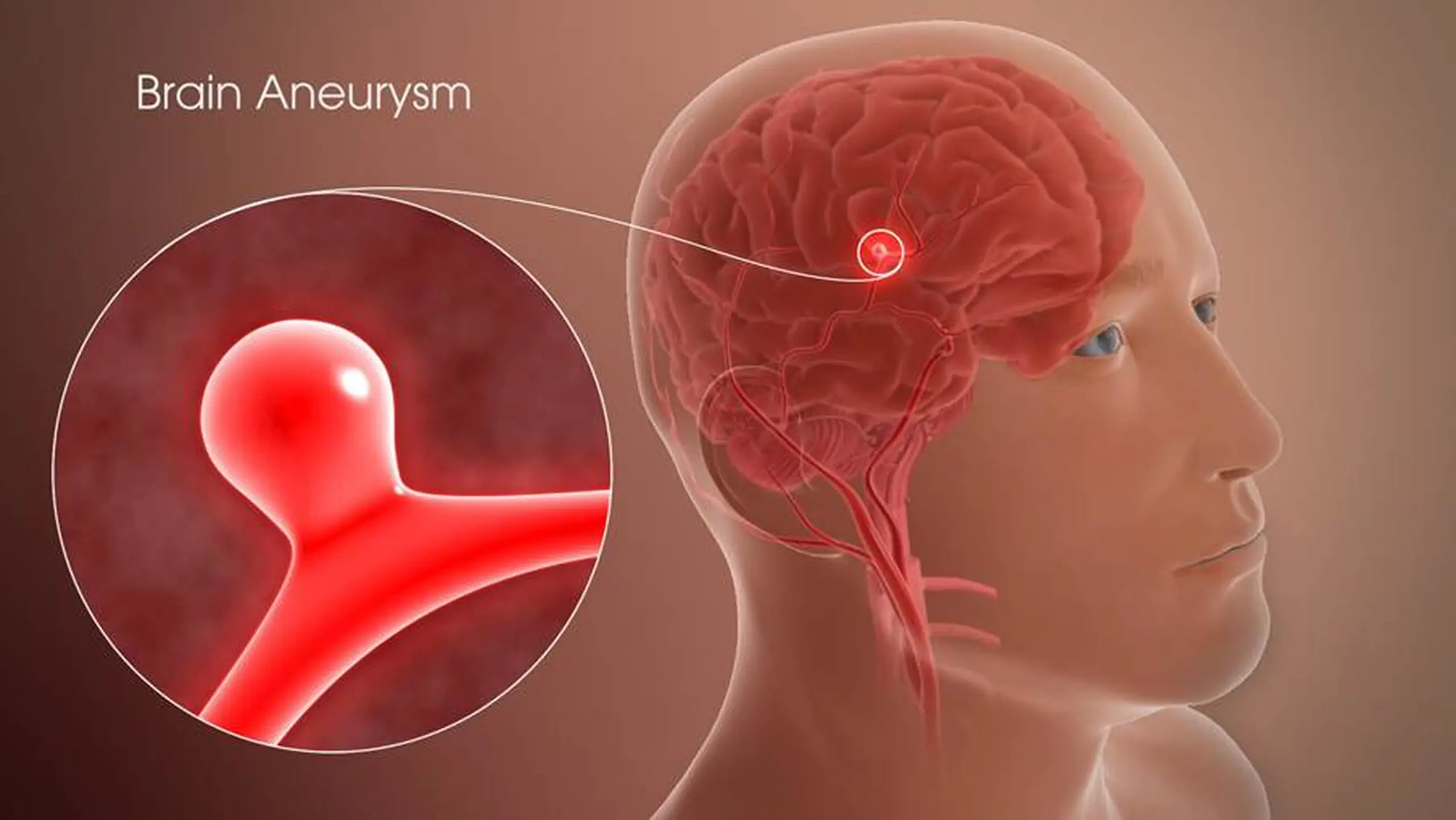
Can You Reduce Your Risk of a Brain Aneurysm?
Not every brain aneurysm can be prevented. Some risk factors are related to genetics, inherited conditions, or circumstances beyond an individual's control.
However, certain lifestyle choices can help reduce vascular risk and may lower the likelihood of aneurysm growth or rupture.
1. Keep Blood Pressure Under Control
High blood pressure places additional stress on artery walls.
Over time, uncontrolled hypertension can damage blood vessels and increase the risk of serious cardiovascular complications.
Regular blood pressure monitoring, appropriate medication when prescribed, physical activity, and a balanced diet can help manage this risk.
2. Avoid Smoking
Smoking is an important modifiable risk factor associated with brain aneurysms.
Chemicals in tobacco smoke can damage blood vessels and contribute to vascular disease.
Quitting smoking is one of the most valuable steps people can take to improve their overall cardiovascular health.
3. Avoid Recreational Stimulant Drugs
Certain stimulant drugs, including cocaine and amphetamines, can cause sudden increases in blood pressure and place additional stress on blood vessels.
Avoiding these substances is important for protecting cardiovascular and neurological health.
4. Limit Excessive Alcohol Consumption
Heavy alcohol consumption can contribute to high blood pressure and other health problems.
People should avoid excessive drinking and discuss alcohol use with a healthcare professional if they have an existing aneurysm or other vascular condition.
5. Follow Up on Relevant Family History
Some people have a higher risk because close relatives have experienced brain aneurysms or subarachnoid hemorrhage.
If multiple family members have been affected, or if there is a known inherited condition associated with aneurysms, discuss whether screening is appropriate with a specialist.
Screening is not necessary for everyone. It should be based on individual risk and medical advice.
Final Thoughts: Recognizing the Warning Signs Could Save a Life
A brain aneurysm can remain silent for years, which is one reason it can be so dangerous.
Some aneurysms never cause noticeable problems. Others may gradually produce symptoms such as eye pain, visual disturbances, or changes in facial sensation. If an aneurysm ruptures, the consequences can be sudden and life-threatening.
The 12 symptoms discussed in this article include:
-
A sudden, extremely severe headache.
-
Unexplained nausea and vomiting.
-
Neck pain or stiffness.
-
Blurred vision or double vision.
-
Pain above or behind one eye.
-
A drooping eyelid.
-
One pupil becoming larger than the other.
-
Numbness or weakness on one side of the face.
-
Weakness or numbness in an arm or leg.
-
Difficulty speaking or understanding others.
-
Sensitivity to light.
-
Seizures, confusion, or loss of consciousness.
These symptoms do not all occur in every person, and many can have causes unrelated to brain aneurysms.
Most importantly, a person does not need to experience all 12 symptoms before seeking medical help.
A sudden, extremely severe headache is an emergency—even if it is the only symptom.
Recognizing serious neurological changes, acting quickly, and obtaining appropriate medical care can make a critical difference.
Your brain and blood vessels deserve attention. Never dismiss a sudden, unusual neurological symptom simply because it eventually seems to improve.