Although problems affecting the feet are often associated with aging, footwear, or everyday fatigue, certain changes in the feet and ankles can sometimes indicate that the heart and circulatory system are not functioning as they should. Swelling, unusual coldness, changes in skin color, slow-healing wounds, and discomfort while walking are among the symptoms that deserve attention, particularly when they are new, persistent, or accompanied by other health concerns.
The reason is simple: the heart and blood vessels work together to deliver oxygen-rich blood throughout the body. Because the feet are among the body parts farthest from the heart, problems with circulation can sometimes become noticeable there.
Not every foot problem is related to heart disease, and a change in the appearance of your feet does not automatically mean that something is wrong with your heart. Nevertheless, understanding the possible warning signs can help you recognize when it may be time to seek medical advice.
Here are several changes in your feet that may provide important clues about your cardiovascular health.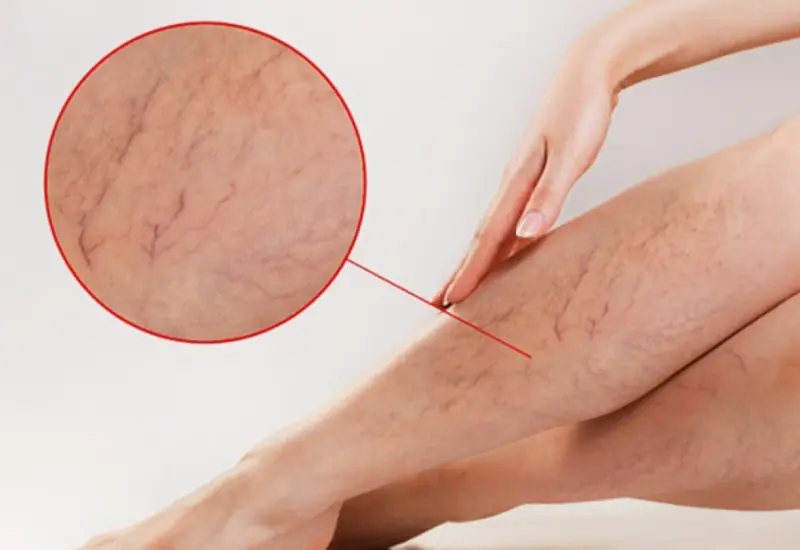
1. Swollen Feet and Ankles May Be a Sign of Fluid Retention
One of the most recognizable changes associated with cardiovascular problems is swelling in the feet and ankles. This condition is medically known as peripheral edema.
It occurs when excess fluid accumulates in the tissues, often causing the feet, ankles, or lower legs to appear enlarged or puffy. You may notice that your shoes feel tighter than usual, your socks leave deeper marks around your ankles, or your feet look noticeably swollen at the end of the day.
There are several possible causes of this symptom. Standing or sitting for extended periods, consuming too much sodium, certain medications, and problems affecting the veins can all contribute to fluid accumulation.
However, persistent swelling can also occur when the heart is unable to pump blood as effectively as the body needs. In heart failure, for example, reduced pumping efficiency can contribute to increased pressure within the blood vessels and fluid accumulation in surrounding tissues.
Swelling associated with heart failure often affects both feet and ankles, although the pattern can vary. It may become more noticeable after spending several hours upright and sometimes improves after resting with the legs elevated.
Other symptoms may include unusual fatigue, breathlessness during ordinary activities, difficulty breathing when lying flat, or waking during the night feeling short of breath.
It is important not to assume that swollen feet automatically indicate heart failure. Kidney disease, liver disease, venous insufficiency, and medication side effects can produce similar symptoms.
When to pay attention: New or persistent swelling in both feet or ankles, especially when accompanied by unexplained weight gain or breathlessness, deserves medical evaluation.
Sudden swelling in only one leg, particularly with pain, warmth, or redness, may indicate a blood clot and requires urgent medical assessment. If it is accompanied by chest pain, faintness, or sudden difficulty breathing, seek emergency care.
2. Cold Feet May Be Related to Poor Circulation
Almost everyone experiences cold feet occasionally, especially during colder weather or after sitting still for a long time. In most cases, this is harmless.
However, feet that remain unusually cold, particularly when one foot is consistently colder than the other, may sometimes indicate reduced blood flow.
The heart pumps oxygen-rich blood through arteries that carry it to the body's tissues. When these arteries become narrowed or blocked, less blood may reach certain areas, including the feet and toes.
One possible cause is peripheral artery disease, commonly called PAD.
PAD develops when fatty deposits accumulate inside arteries, narrowing the channels through which blood flows. This process, known as atherosclerosis, can affect arteries supplying the legs and feet.
People with PAD may experience coldness in their feet, changes in skin color, numbness, weakness, or discomfort during physical activity.
Cold feet alone are not enough to diagnose PAD. Other explanations include anemia, hypothyroidism, Raynaud's phenomenon, nerve problems, and environmental exposure.
When to pay attention: Persistent coldness, especially when combined with leg pain during walking, weak pulses, skin changes, or wounds that heal slowly, should be discussed with a healthcare professional.
Sudden severe pain accompanied by a cold, pale, numb, or weak foot can indicate an acute loss of blood supply. This is a medical emergency.
3. Changes in Skin Color Can Reveal Circulation Problems
The appearance of your feet may provide clues about how well blood is circulating through your lower limbs.
Healthy skin color varies naturally from person to person. Temporary redness after exercise or mild color changes caused by temperature are usually not concerning.
However, persistent or unusual changes deserve attention.
When arterial blood flow is reduced, the skin may appear unusually pale. Some people notice that their toes become bluish or purplish, particularly when circulation is severely impaired.
In other situations, the feet may develop a reddish or darker discoloration when the legs are positioned downward. This can sometimes occur in people with advanced peripheral artery disease.
Venous circulation problems can produce a different pattern. When blood has difficulty returning from the legs toward the heart, pressure may increase in the veins. Over time, this can cause swelling, inflammation, and brownish discoloration around the lower legs and ankles.
This condition is commonly associated with chronic venous insufficiency.
It is important to understand that arterial disease and venous disease are different conditions. Both affect circulation, but they involve different blood vessels and may require different treatments.
When to pay attention: Persistent pale, blue, purple, or unusually dark skin, particularly when accompanied by pain, swelling, temperature changes, or wounds, should be medically assessed.