People with advanced peripheral artery disease may develop skin that appears unusually smooth, shiny, thin, or fragile.
Hair growth on the lower legs and feet may also decrease.
These changes can occur because tissues are not receiving adequate blood supply over an extended period.
Toenails may become thicker, grow more slowly, or appear unusually brittle.
However, these signs are not specific to arterial disease. Aging, genetics, skin conditions, nutritional problems, and other medical conditions can also affect skin and nail appearance.
The combination of symptoms is more informative than any single change.
For example, shiny skin together with cold toes, reduced pulses, walking-related leg pain, and slow-healing wounds is more concerning than shiny skin alone.
When to pay attention: Persistent skin and nail changes accompanied by other circulation symptoms should be discussed with a healthcare professional.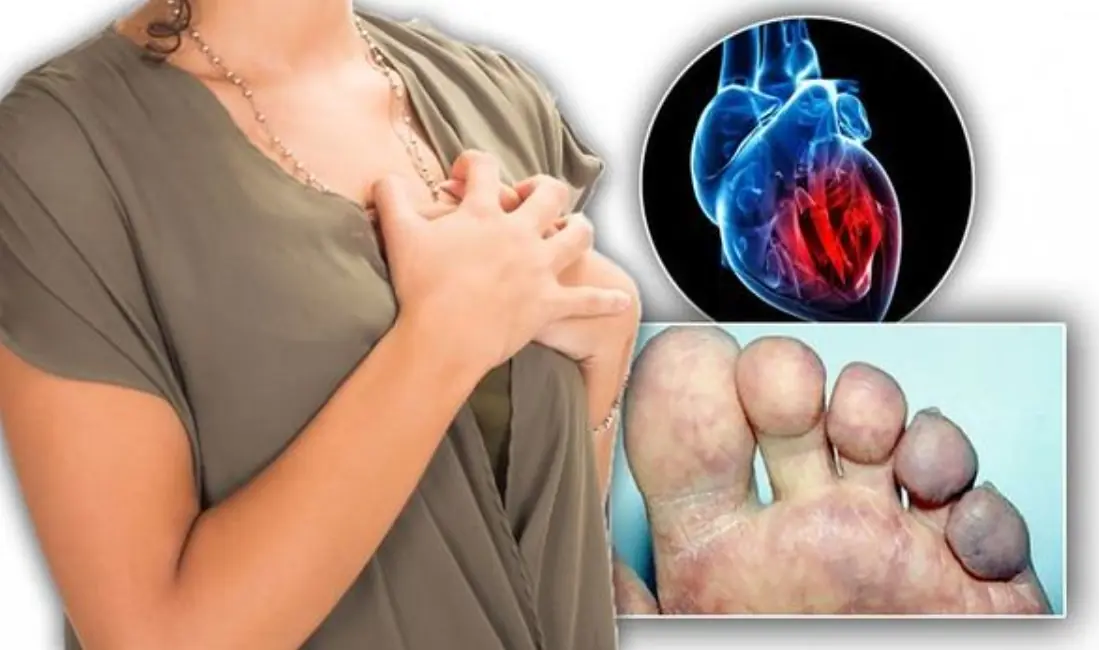
9. Pain in the Toes or Feet at Rest Can Indicate More Advanced Circulation Problems
Pain in the feet is often associated with standing for too long, wearing uncomfortable shoes, arthritis, or injuries.
However, pain that occurs even when the feet are resting may sometimes indicate a more serious circulation problem.
In advanced peripheral artery disease, the reduced blood supply may become insufficient even when the muscles are not exercising.
This can produce pain in the toes, forefoot, or other parts of the foot, sometimes becoming worse at night.
Some people find temporary relief by sitting up or allowing their feet to hang over the side of the bed. This position may help gravity increase blood flow toward the lower limbs.
Pain at rest is particularly concerning when accompanied by coldness, pale or bluish skin, reduced sensation, or wounds that will not heal.
This pattern can indicate chronic limb-threatening ischemia, a severe form of peripheral artery disease that requires urgent specialist assessment.
When to pay attention: Persistent foot or toe pain at rest, especially when it disrupts sleep or occurs alongside skin changes, should not be treated as ordinary foot fatigue.
Sudden severe pain, coldness, or loss of sensation requires emergency medical care.
10. One Foot Being Noticeably Different From the Other May Matter
People often assume that circulation problems affect both feet equally.
In reality, arterial disease may be more severe in one leg than the other.
You might notice that one foot is consistently colder, paler, more painful, or slower to heal than its counterpart.
The pulses may also be weaker in one foot.
This difference can occur when an artery supplying one leg becomes significantly narrowed or blocked.
Comparing both feet can therefore be useful, although it cannot replace a professional examination.
Pay attention to changes that are new, persistent, or progressively worsening.
A sudden difference between the two feet, particularly when one becomes cold, pale, painful, numb, or weak, may indicate an acute blockage of blood flow.
This is a medical emergency because tissues can be permanently damaged if circulation is not restored quickly.
11. Why Heart Disease Can Affect Your Feet
To understand why cardiovascular problems can produce symptoms in the feet, it helps to understand how the circulatory system works.
The heart is a muscular pump. With every heartbeat, it pushes blood into the arteries, which transport oxygen and nutrients to organs, muscles, skin, and other tissues.
After delivering oxygen, blood returns to the heart through the veins.
This system must function continuously to keep the body alive.
When the heart becomes weaker or the blood vessels become damaged, different parts of the circulation may be affected.
There are two particularly important connections between heart health and foot symptoms.
Atherosclerosis and narrowed arteries
Atherosclerosis occurs when fatty deposits, cholesterol, inflammatory cells, and other substances accumulate within artery walls.
Over time, these deposits can narrow the arteries and restrict blood flow.
If the arteries supplying the legs become affected, peripheral artery disease may develop.
The same underlying disease process can also affect the coronary arteries, which supply blood to the heart, and the arteries supplying the brain.
This is why PAD is considered an important marker of cardiovascular risk.
A person with PAD may have an increased risk of heart attack, stroke, and other serious cardiovascular events, even if they do not experience obvious chest symptoms.
Heart failure and fluid accumulation
Heart failure does not mean that the heart has stopped working.
It means that the heart cannot pump blood effectively enough to meet the body's needs or can do so only with increased pressure.
Depending on the type and severity of heart failure, pressure can build up in the circulation, contributing to fluid accumulation.
When this happens, swelling may appear in the feet, ankles, and lower legs.
Some people also experience breathlessness, fatigue, reduced exercise tolerance, or difficulty sleeping comfortably while lying flat.
These symptoms should be evaluated because early diagnosis and treatment can improve quality of life and reduce complications.
12. Who Is More Likely to Experience Circulation Problems?
Although cardiovascular disease can affect adults of different ages, certain factors increase the likelihood of developing artery-related problems.
Understanding these risk factors can help people recognize when foot symptoms deserve particular attention.
High blood pressure
Persistently elevated blood pressure places additional stress on artery walls.
Over time, this can damage blood vessels and contribute to atherosclerosis.
Many people with high blood pressure have no noticeable symptoms, which is why regular monitoring is important.
High cholesterol
Elevated levels of LDL cholesterol can contribute to plaque formation inside arteries.
As plaques grow, blood vessels may become narrower and less flexible.
Managing cholesterol levels through appropriate lifestyle changes and medication when prescribed can reduce cardiovascular risk.
Diabetes
Diabetes can damage blood vessels and nerves.
People with diabetes have a higher risk of peripheral artery disease, foot ulcers, infections, and problems with wound healing.