Nuts and seeds: Walnuts, almonds, chia seeds, and flaxseeds provide unsaturated fats, fiber, and other nutrients.
Whole grains: Oats, brown rice, barley, and whole-grain bread provide fiber that can help improve cholesterol levels when included in an appropriate diet.
Beans and lentils: These foods provide plant protein, minerals, and fiber while offering a nutritious alternative to some processed or high-fat meat products.
Olive oil: Extra-virgin olive oil contains predominantly monounsaturated fat and can replace less healthy fats in cooking and meal preparation.
A Mediterranean-style eating pattern, which emphasizes vegetables, fruits, legumes, whole grains, nuts, fish, and olive oil, is one well-studied approach to cardiovascular nutrition.
The most important factor is the overall pattern of eating rather than relying on one so-called superfood.
16. When Foot Symptoms Require Immediate Medical Attention
Some foot changes develop gradually and can be assessed during a routine medical appointment. Others may signal an emergency.
Knowing the difference is important.
Seek emergency medical care if you experience:
-
Sudden severe pain in a foot or leg.
-
A foot that suddenly becomes cold, pale, blue, or unusually discolored.
-
Sudden numbness, weakness, or difficulty moving the foot.
-
Sudden swelling in one leg accompanied by chest pain, faintness, or difficulty breathing.
-
Severe breathlessness, chest pressure, or pain that spreads to the arm, back, neck, or jaw.
These symptoms can indicate serious conditions such as acute limb ischemia, a blood clot in the lungs, or a heart attack.
Other symptoms deserve prompt medical assessment even when they do not appear immediately life-threatening.
These include persistent swelling, recurring pain while walking, wounds that fail to heal, unexplained changes in skin color, and new or worsening numbness.
People with diabetes, known cardiovascular disease, or a history of vascular problems should be especially cautious.
17. Common Myths About Feet and Heart Health
Because foot symptoms can have many possible causes, it is easy to misunderstand what they mean.
Several common assumptions deserve clarification.
Myth 1: Cold feet always mean poor heart circulation.
Cold feet can result from environmental temperature, nerve conditions, hormonal disorders, anemia, or normal differences in circulation. Persistent coldness accompanied by other warning signs deserves evaluation, but cold feet alone do not diagnose heart disease.
Myth 2: Swollen ankles always indicate heart failure.
Swelling can be caused by medications, prolonged standing, venous insufficiency, kidney disease, liver disease, and other conditions. Heart failure is one possible explanation, not the only one.
Myth 3: If there is no chest pain, the heart must be healthy.
Some cardiovascular conditions develop without obvious chest pain. Peripheral artery disease, for example, may first become noticeable through leg discomfort during walking or slow-healing foot wounds.
Myth 4: Foot pain is simply a normal part of aging.
Foot discomfort becomes more common with age, but recurring pain, particularly pain that appears during walking and improves with rest, should not automatically be dismissed.
Myth 5: A foot massage can fix circulation problems.
Massage may help some people feel more relaxed and temporarily relieve ordinary muscle tension. However, it cannot remove arterial plaque, reopen blocked arteries, or treat heart failure.
People with suspected blood clots, severe circulation problems, unexplained swelling, or acute injuries should seek medical advice before receiving massage.
18. Why Early Detection Makes a Difference
One of the most important reasons to pay attention to foot symptoms is that cardiovascular and vascular diseases can progress gradually.
A person may initially notice only mild discomfort when walking, occasional swelling, or a small wound that takes longer than expected to heal.
Because these symptoms may seem unrelated to the heart, they are sometimes ignored.
However, identifying peripheral artery disease can provide an opportunity to assess cardiovascular risk more broadly.
A healthcare professional may recommend treatment to reduce the risk of heart attack, stroke, and worsening circulation.
Depending on the diagnosis, treatment may include smoking cessation, structured exercise, cholesterol-lowering medication, blood pressure management, diabetes treatment, antiplatelet medication, or procedures to restore blood flow.
For people with heart failure, early diagnosis can also allow treatment to begin before symptoms become more severe.
Modern heart failure care may include medications that improve symptoms, reduce hospitalizations, and help protect heart function. Treatment depends on the type of heart failure and the individual's medical circumstances.
The earlier a problem is recognized, the greater the opportunity to manage it appropriately.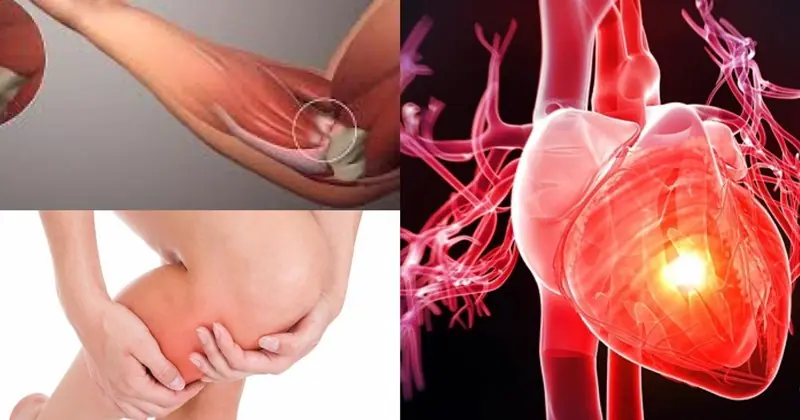
Final Thoughts: Your Feet Deserve More Attention Than You Think
Your feet do more than carry you through the day. They are supplied by an extensive network of blood vessels, and changes in their appearance, temperature, sensation, or ability to heal can sometimes reveal problems affecting the circulatory system.
Persistent swelling may be associated with fluid retention. Coldness, discoloration, and wounds that heal slowly can sometimes indicate reduced blood flow. Pain that repeatedly develops during walking and improves with rest may be a warning sign of peripheral artery disease.
None of these symptoms proves that you have heart disease. Many have other explanations, and only an appropriate medical assessment can determine the underlying cause.
Nevertheless, dismissing persistent changes as ordinary aging or tiredness can delay the diagnosis of conditions that deserve treatment.
Take a moment to notice whether your feet have changed recently. Are your ankles swelling more often? Do your calves hurt when you walk? Are your toes unusually cold or discolored? Have small wounds started taking longer to heal?
If these changes are new, persistent, or worsening, speak with a healthcare professional.
And remember: protecting your heart means caring for your entire circulatory system. Regular physical activity, balanced nutrition, smoking cessation, blood pressure control, cholesterol management, and appropriate medical checkups can all contribute to better cardiovascular health.
Sometimes, paying attention to a small change in your feet can be the first step toward recognizing a much bigger health issue.