The lungs play a vital role in keeping the body alive. Every breath brings oxygen into the bloodstream, allowing the heart to deliver it to organs, tissues, and muscles. When the lungs cannot function properly, the body may respond in ways that become noticeable outside the chest. In certain situations, these responses can affect the fingers and nails.
It is important to understand that most finger and nail changes are not caused by lung disease. Many are related to aging, injuries, fungal infections, nutritional deficiencies, skin conditions, medications, or everyday environmental exposure. Nevertheless, persistent or unusual changes—particularly when accompanied by breathing difficulties, chronic cough, chest discomfort, unexplained weight loss, or fatigue—should not be ignored.
Below are ten changes in the fingers and nails that may sometimes be associated with lung problems and other conditions affecting respiratory health.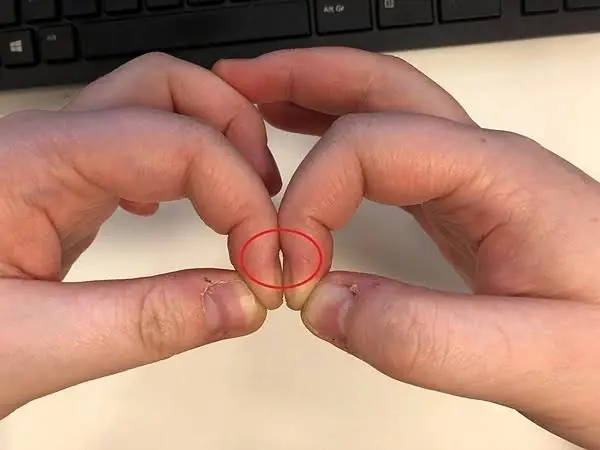
1. Clubbing of the Fingertips
One of the most well-known finger changes associated with certain lung conditions is clubbing. This occurs when the fingertips gradually become enlarged and rounded, while the nails curve more noticeably around the ends of the fingers. The normal angle between the nail and the skin may become less pronounced, and the fingertips can appear broader or softer than usual.
Clubbing usually develops slowly. Someone may not notice the change until they compare their fingers with older photographs or until a healthcare professional points it out during an examination. In advanced cases, the fingertips may appear bulbous, giving the nails a curved, downward appearance.
Clubbing can sometimes be associated with serious lung diseases, including lung cancer, certain forms of pulmonary fibrosis, bronchiectasis, and chronic lung infections. It may also occur in some heart conditions, gastrointestinal diseases, and other medical disorders.
The exact mechanism behind clubbing is not completely understood. Researchers believe changes involving blood flow, circulating growth factors, and the tissues around the fingertips may contribute to the enlargement and altered nail structure.
Clubbing is not a reliable way to diagnose lung disease by itself. Some people have naturally rounded fingertips, and certain individuals may develop clubbing for reasons unrelated to the lungs. However, new or progressive clubbing should be evaluated by a healthcare professional, particularly when it occurs alongside a persistent cough, unexplained shortness of breath, chest pain, or weight loss.
2. Fingernails Becoming More Curved
A gradual increase in the curvature of the fingernails can sometimes be an early feature of clubbing. The nails may begin to curve more strongly over the fingertip, making them appear rounded or unusually convex when viewed from the side.
In a healthy nail, the surface is generally smooth and has a relatively gentle curve. When clubbing develops, the nail may become more curved in both directions, and the surrounding fingertip tissue may also enlarge. The change can affect several fingers rather than only one.
People sometimes assume that unusually curved nails are simply a natural variation in nail shape. That can be true, especially if the appearance has been present since childhood or has remained unchanged for many years. However, a noticeable change that develops over time deserves more attention.
In some people, increased nail curvature occurs together with swelling at the ends of the fingers. These combined changes may be more significant than nail curvature alone.
Certain lung conditions may be associated with this pattern, particularly diseases that cause long-term inflammation or affect the tissues of the lungs. Examples include pulmonary fibrosis, bronchiectasis, and some lung cancers.
If the nails have become progressively more curved without an obvious explanation, a medical evaluation can help determine whether the change is simply cosmetic or part of a broader health issue.
3. Fingertips Becoming Enlarged or Swollen
Another potential warning sign is a gradual enlargement of the fingertips. The ends of the fingers may become wider, softer, or more rounded than they used to be. This change may be subtle at first, but over time it can make the fingers look different from their previous appearance.
Enlarged fingertips are often associated with clubbing, although not every person with swollen fingers has clubbing. Fluid retention, inflammation, arthritis, injuries, and other medical conditions can also cause changes in finger size.
When fingertip enlargement occurs together with changes in nail curvature, it may be more suggestive of clubbing. In certain cases, clubbing is associated with chronic lung diseases, including conditions that cause scarring, persistent infection, or abnormalities in lung tissue.
People may notice that rings no longer fit comfortably or that the ends of their fingers appear thicker in photographs. However, swelling caused by fluid retention often affects other areas of the body as well, such as the hands, ankles, or feet.
A sudden swelling of one finger, especially when accompanied by redness, warmth, severe pain, or an injury, may have a different cause and should also be assessed.
Persistent, unexplained enlargement of several fingertips should not be dismissed as an ordinary part of aging. A healthcare professional can examine the fingers, assess the nails, and determine whether additional testing is necessary.