Yellow nail syndrome is uncommon, and yellow nails alone are much more likely to have another explanation. Nevertheless, persistent yellowing accompanied by respiratory symptoms may warrant medical assessment.
Green discoloration can sometimes occur because of bacterial infection, particularly when the nail has been damaged or separated from the nail bed. Brown or black discoloration may result from trauma, pigmentation, or other causes that need to be evaluated depending on the pattern.
A new dark streak in a nail, especially one that widens, changes color, or extends into the surrounding skin, should be examined by a healthcare professional because some nail pigmentation changes can be serious.
The key is to avoid diagnosing lung disease based solely on nail color. Instead, pay attention to whether several symptoms are occurring together.
8. Slow Nail Growth or Changes in Nail Growth
Fingernails grow gradually, and the speed of growth varies from person to person. Factors such as age, nutrition, circulation, hormones, medications, and overall health can influence how quickly nails grow.
When someone notices that their nails are growing much more slowly than before, it may reflect changes in general health rather than a specific respiratory problem. Severe illness, prolonged nutritional problems, certain medications, and disruptions in circulation may affect nail growth.
People recovering from serious infections or medical conditions sometimes notice temporary changes in their nails. The body may prioritize essential functions during periods of illness, and nail growth may be affected.
Lung disease itself does not generally produce a distinctive pattern of slow nail growth that can be used for diagnosis. However, chronic respiratory illness may sometimes be associated with reduced appetite, nutritional deficiencies, inflammation, decreased physical activity, or other factors that affect overall health.
A noticeable change in nail growth becomes more concerning when it occurs alongside other symptoms such as unexplained weight loss, persistent fatigue, weakness, shortness of breath, or a chronic cough.
If several nails suddenly stop growing normally or develop unusual changes, a medical evaluation may help identify possible causes. Depending on the circumstances, a healthcare professional may consider nutritional, hormonal, circulatory, dermatological, or systemic explanations.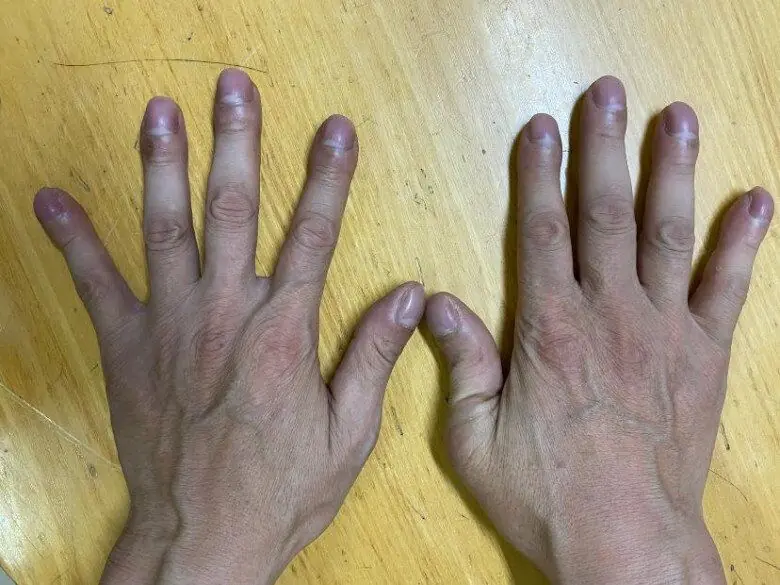
9. Changes in the Skin Around the Nails
The skin surrounding the fingernails can also provide clues about general health. Persistent swelling, redness, inflammation, unusual tenderness, peeling, or changes in the tissue around the nail may indicate a local problem or a broader condition.
Many nail-area changes are caused by infections, irritants, allergic reactions, eczema, psoriasis, or repeated manipulation of the cuticles. These conditions are common and generally have no direct relationship to lung disease.
However, some systemic illnesses can affect the skin, blood vessels, and connective tissue. Certain autoimmune conditions may involve the lungs and also cause changes in the fingers or skin around the nails.
For example, some connective tissue diseases can affect both the skin and the respiratory system. Depending on the condition, individuals may experience finger swelling, changes in circulation, skin tightening, joint discomfort, or respiratory symptoms.
These combinations can be medically important because some autoimmune diseases may cause inflammation or scarring in the lungs. Nevertheless, the appearance of irritated skin around the nails is not enough to determine whether an autoimmune or lung condition is present.
Persistent nail-fold inflammation, especially when accompanied by joint pain, unusual skin changes, muscle weakness, or breathing problems, should be discussed with a healthcare professional.
10. Finger Changes Accompanied by Persistent Respiratory Symptoms
Perhaps the most important warning sign is not a specific nail appearance but the combination of unusual finger or nail changes with ongoing respiratory symptoms.
Someone may notice that their fingertips have become rounded, their nails are increasingly curved, or their nail beds have changed color. At the same time, they may experience a cough that lasts for weeks, shortness of breath during activities that were previously easy, repeated chest infections, unusual fatigue, or unexplained weight loss.
These symptoms can occur for many different reasons. Some may be related to infections, asthma, chronic obstructive pulmonary disease, pulmonary fibrosis, heart disease, or other conditions. In certain circumstances, persistent respiratory symptoms may also require evaluation for lung cancer.
A chronic cough should not automatically be attributed to aging, allergies, smoking, or a previous respiratory infection if it continues, worsens, or is accompanied by other concerning symptoms.
Breathlessness that gradually becomes more noticeable can also be easy to overlook. People sometimes begin avoiding stairs, walking more slowly, taking frequent breaks, or changing their daily routines without realizing that their breathing capacity has changed.
When these changes occur alongside unusual nail or fingertip findings, it is important to consider the overall picture rather than focusing on one isolated symptom.
A healthcare professional may recommend a physical examination, oxygen measurement, blood tests, lung function testing, or imaging depending on the symptoms and medical history.
Why Lung Problems Can Sometimes Affect the Fingers and Nails
The connection between the lungs and the fingertips may seem surprising, but the body functions as an interconnected system. The lungs, heart, blood vessels, and tissues work together to maintain oxygen delivery and circulation.
When lung function is impaired, the body may experience changes in oxygen levels, inflammation, circulation, or the production of certain biological substances. Some of these changes may affect tissues far beyond the lungs.