The best approach is to combine a safe defrost with a careful inspection of the door, vents, food arrangement, and appliance behavior.
How to Prevent Frost From Building Up Again
After your refrigerator has been properly defrosted, a few routine habits may help reduce future frost accumulation.
Keep the door closed whenever possible and avoid leaving it open while searching for food.
Check the door seal periodically. Wipe away dirt and food residue that may interfere with sealing.
Avoid overfilling the freezer. Leave room for air to circulate and keep packages away from vents.
Do not place warm food directly into the freezer unless your appliance and food-handling guidance allow it. Allow foods to cool appropriately before freezing, while avoiding leaving perishable food out for unsafe periods.
Use containers or freezer bags that are properly sealed. This can help reduce moisture released into the freezer and protect food from freezer burn.
Keep the freezer organized. When items are easy to find, the door is less likely to remain open for extended periods.
During humid weather, be especially mindful of how frequently the freezer door is opened. Warm, moist air can enter more readily and contribute to frost formation.
Finally, follow the manufacturer's recommended cleaning and maintenance instructions. Different refrigerators have different designs, and the correct procedure for one model may not be appropriate for another.
Frequently Asked Questions About Frost-Covered Refrigerators
Is frost in the freezer always a sign that the refrigerator is broken?
No. Some frost may develop naturally, particularly in older freezers or models that require manual defrosting. However, thick or rapidly accumulating frost in a frost-free refrigerator may indicate a problem with the door seal, airflow, drainage, or automatic defrost system.
Can I fix a frost-covered freezer without calling a technician?
Sometimes. If the frost is caused by accumulated ice, a door that was left open, a poor food arrangement, or a minor sealing issue, a careful manual defrost and basic maintenance may help.
However, if the frost repeatedly returns or the refrigerator is not cooling properly, professional diagnosis may be necessary.
How long does it take to defrost a freezer?
The time depends on the amount of ice, the freezer's design, and the room temperature. A lightly frosted freezer may defrost relatively quickly, while a freezer with thick ice buildup may require several hours.
Do not rush the process by using sharp tools or unsafe heating devices.
Should I unplug my refrigerator before defrosting it?
Yes. If you are performing a manual defrost, unplugging the appliance is an important safety step. Follow the manufacturer's instructions and protect the floor from meltwater.
Why does frost keep coming back after I remove it?
Repeated frost buildup may indicate that warm, humid air is entering through a door seal, that airflow is restricted, or that an automatic defrost component is malfunctioning.
If frost returns quickly after a thorough defrost, the appliance may need professional inspection.
Can frost buildup increase electricity consumption?
Excessive frost may interfere with airflow and cooling efficiency, potentially causing the refrigerator to work harder. The exact effect depends on the appliance design and the cause of the frost.
Removing excessive ice and correcting the underlying issue may help the refrigerator operate more efficiently.
Is it safe to put food back immediately after defrosting?
It is best to allow the refrigerator and freezer to return to their recommended operating temperatures before placing food back inside. Use a thermometer when possible and follow food-safety guidance for food that has been temporarily stored elsewhere.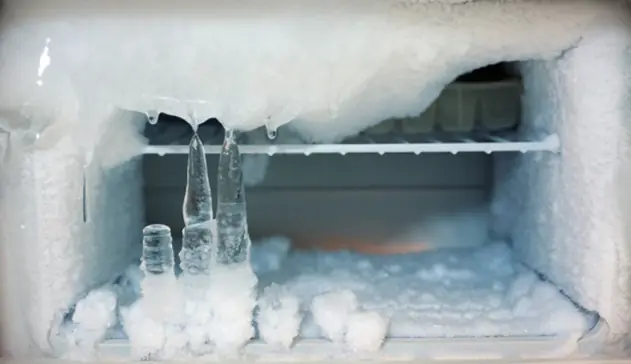
Final Thoughts
A refrigerator covered in frost can look like a serious mechanical problem, but the cause is sometimes surprisingly simple. Moisture entering through an improperly closed door, a damaged gasket, blocked vents, frequent door openings, or accumulated ice may all contribute to excessive frost.
Before spending money on a repair visit, homeowners may be able to take a few safe steps: remove the food, unplug the refrigerator, allow the ice to melt naturally, dry the interior thoroughly, check the door seal, and make sure airflow is not blocked.
These simple checks may help resolve some frost problems and can also make it easier to identify whether something more serious is happening.
The key is knowing when to stop. Never chip ice with sharp tools, use electrical heating devices near melting water, or repeatedly defrost a refrigerator that quickly develops the same problem again.
If your freezer continues to accumulate thick frost, your refrigerator stops cooling properly, or you notice unusual noises or recurring water leaks, it may be time to call a qualified technician.
Sometimes, a little maintenance is all an appliance needs. Other times, catching a problem early can prevent a much more expensive repair later.