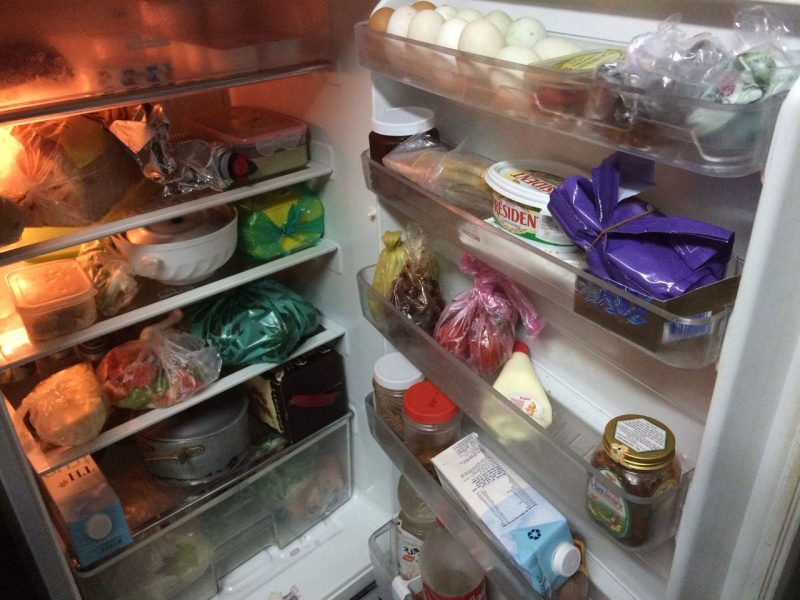
Open your refrigerator and everything may seem perfectly fine.
The shelves look clean. The vegetables are neatly arranged. Leftovers are packed into containers. Milk is sitting in the door, meat is tucked somewhere near the bottom, and there may not be a single unpleasant smell.
But appearances can be misleading.
A refrigerator doesn't have to look dirty to contain microorganisms capable of contaminating food. More importantly, refrigeration slows the growth of many bacteria - it doesn't necessarily kill them.
Food-safety problems often come from surprisingly ordinary habits: setting the refrigerator too warm, storing raw meat incorrectly, leaving leftovers out too long, overcrowding shelves, or forgetting to clean spills and old food.
For most healthy people, an occasional minor mistake won't necessarily lead to illness. But certain foodborne infections can be serious, particularly for older adults, pregnant people, young children, and people with weakened immune systems.
Here are 5 common refrigerator habits worth changing.
First: Your Refrigerator Doesn't Sterilize Food
One of the biggest misconceptions about refrigeration is that cold temperatures eliminate bacteria.
They don't.
Refrigeration primarily slows microbial growth.
Many disease-causing microorganisms grow much more slowly at refrigerator temperatures, which is why refrigeration extends the safe storage life of perishable foods.
However, some organisms can survive—and certain bacteria, such as Listeria monocytogenes, can even grow slowly under refrigeration.
That's why refrigerator temperature, food handling, storage time, and cleanliness all matter.
Habit #1: Keeping Your Refrigerator Too Warm
This may be the most important mistake on the list.
A refrigerator that feels cold isn't necessarily cold enough.
Food-safety authorities generally recommend keeping refrigerators at approximately 40°F (4°C) or below.
When temperatures rise above the recommended range, bacteria can multiply more quickly in perishable foods.
Potentially affected foods include:
-
Raw meat
-
Poultry
-
Seafood
-
Milk
-
Soft cheeses
-
Cooked leftovers
-
Deli meats
-
Prepared foods
The problem is that you can't accurately determine refrigerator temperature simply by touching a bottle of water.
Use a Refrigerator Thermometer
A simple appliance thermometer can tell you what's actually happening inside your fridge.
This is particularly useful because built-in temperature controls aren't always precise.
Check the temperature periodically.
If your refrigerator is consistently warmer than recommended, adjust the setting.
If it still can't maintain a safe temperature, the appliance may require servicing.
Why Does Temperature Matter So Much?
Bacteria reproduce under favorable conditions.
Temperature is one of the major factors controlling how quickly this happens.
At sufficiently cold refrigerator temperatures, the growth of many microorganisms slows dramatically.
As temperatures increase, bacterial growth can accelerate.
This is why perishable food shouldn't spend unnecessary amounts of time at room temperature.
Don't Leave the Door Open
Standing in front of an open refrigerator deciding what to eat might seem harmless.
But repeatedly leaving the door open allows warm air to enter.
The refrigerator then has to work harder to restore the appropriate temperature.
Opening the door briefly isn't dangerous, of course.
The issue is repeatedly leaving it open for extended periods—particularly in a warm kitchen.
Know what you need, grab it, and close the door.
Simple.
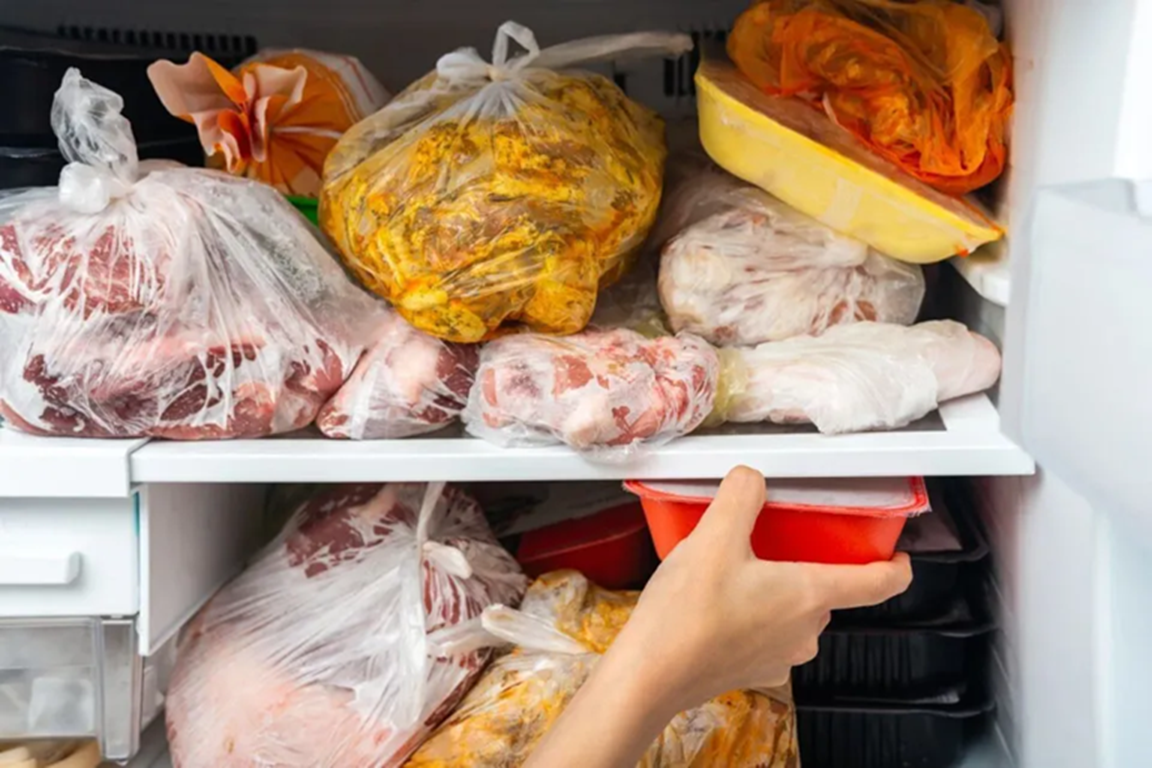
Habit #2: Storing Raw Meat Above Ready-to-Eat Food
Imagine this setup:
Raw chicken is sitting on the top shelf.
Below it is:
-
A bowl of salad
-
Cooked rice
-
Fruit
-
Leftover pasta
The chicken package develops a small leak.
Raw juices drip onto the food below.
Now you potentially have cross-contamination.
This is one of the easiest refrigerator mistakes to prevent.
Why Raw Meat Needs Special Handling
Raw meat and poultry can carry harmful microorganisms.
Depending on the food, potential pathogens may include:
-
Salmonella
-
Campylobacter
-
Certain strains of E. coli
-
Other microorganisms
Cooking meat to an appropriate internal temperature can destroy many harmful bacteria.
But the salad underneath isn't going to be cooked.
That's what makes cross-contamination dangerous.
Where Should Raw Meat Go?
A good general strategy is to keep raw:
-
Meat
-
Poultry
-
Seafood
on the lowest appropriate shelf, inside a sealed container or leak-proof tray.
The goal is simple:
If the package leaks, raw juices shouldn't drip onto other foods.
Ready-to-eat foods should be protected from raw animal products.
Keep Raw and Cooked Foods Separate
This principle extends beyond the refrigerator.
Don't put cooked chicken back onto the same unwashed plate that held it when raw.
Don't cut vegetables on a cutting board covered in raw chicken juices.
Wash utensils and food-contact surfaces appropriately between raw and ready-to-eat foods.
Cross-contamination can happen long before food enters your refrigerator.
Should You Wash Raw Chicken Before Refrigerating or Cooking It?
Generally, washing raw poultry isn't recommended.
Why?
Because running water over raw chicken can splash contaminated droplets around your:
-
Sink
-
Countertops
-
Utensils
-
Nearby foods
Cooking poultry properly is what destroys harmful bacteria.
Washing it doesn't make it safer and can spread contamination around the kitchen.
Habit #3: Putting Leftovers Away Too Late
Dinner is over.
Everyone leaves the table.
The leftover rice, chicken, soup, and vegetables remain on the counter.
An hour passes.
Then another.
Eventually someone remembers:
“We should probably put that in the fridge.”
This habit can increase food-safety risk.
Why Room Temperature Matters
Many bacteria grow well within what food-safety professionals call the temperature danger zone.
Perishable foods shouldn't remain in this range longer than necessary.
A common general recommendation is to refrigerate perishable leftovers within about two hours.
When environmental temperatures are especially high—around 90°F (32°C) or above—the safe window becomes shorter, often around one hour.
Don't leave cooked food sitting out all evening before refrigerating it.
But Should You Put Hot Food Directly Into the Refrigerator?
Many people grew up hearing:
“Never put hot food in the fridge.”
This advice can lead to another problem: leaving food at room temperature for hours while waiting for it to become completely cold.
Large quantities of very hot food should be handled intelligently, but you don't need to wait until leftovers reach room temperature.
One useful strategy is to divide large portions into smaller, shallow containers.
This allows food to cool more rapidly.
Large Pots Can Cool Too Slowly
Imagine a huge pot of soup.
The outer portion may become cold relatively quickly.
The center can remain warm for much longer.
That creates conditions where bacteria may multiply.
Instead of placing an enormous pot of hot soup into storage, divide it into several shallow containers.
Faster cooling = safer cooling.
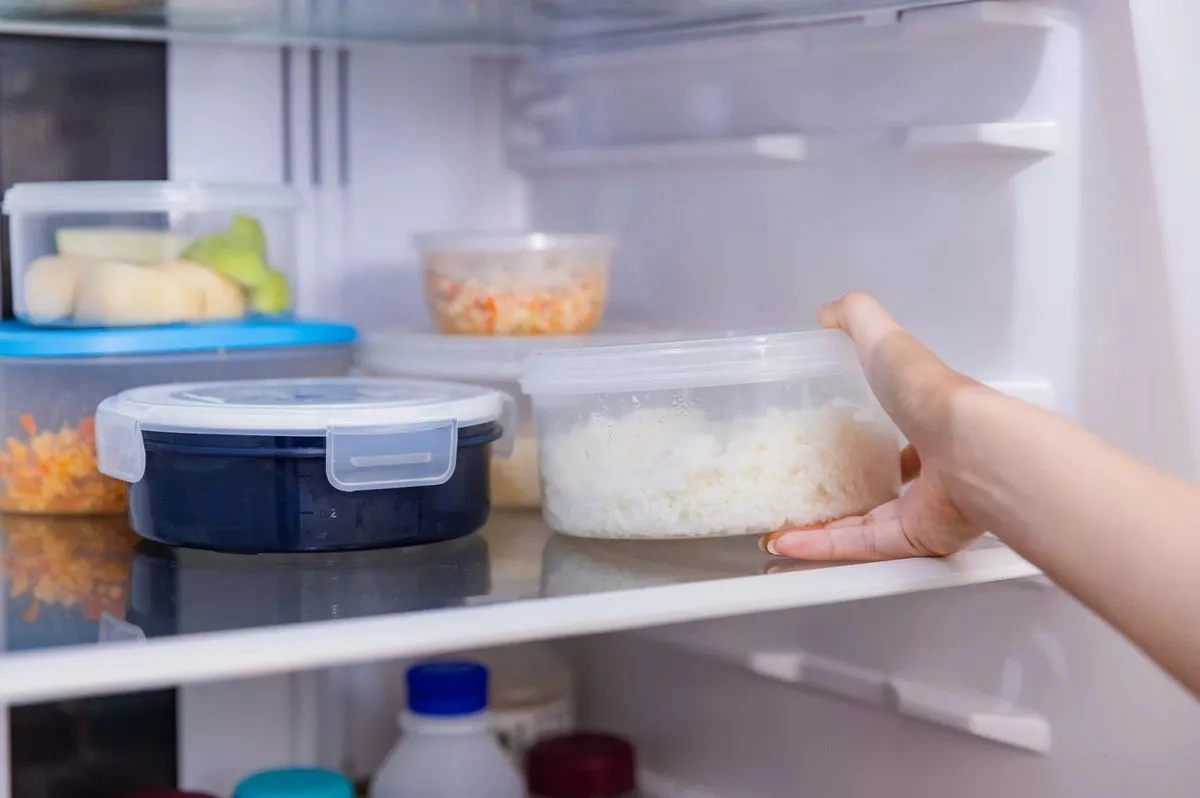
Rice Deserves Special Attention
Cooked rice is often treated as harmless.
But uncooked rice can contain spores of Bacillus cereus.
These spores may survive cooking.
If cooked rice sits at room temperature for too long, bacteria can multiply and potentially produce toxins.
Refrigerating leftovers promptly is therefore important.
And here's the key:
Reheating doesn't necessarily fix every food-safety mistake.
Certain bacterial toxins can be relatively heat stable.
So don't rely on the microwave to rescue food that has been stored improperly for hours.
The Same Applies to Other Starchy Foods
Similar food-safety principles apply to foods such as:
-
Pasta
-
Noodles
-
Potatoes
-
Other cooked grains
Cook them properly, refrigerate leftovers promptly, and don't leave them sitting at room temperature unnecessarily.
Habit #4: Overcrowding Your Refrigerator
A refrigerator packed from top to bottom may feel efficient.
After all, you're using every centimeter of storage space.
But there is a problem.
Cold air needs to circulate.
If containers, bottles, vegetables, and packages are packed tightly against one another, airflow can become restricted.
This may create warmer areas inside the refrigerator.
Why Air Circulation Matters
Your refrigerator is designed to move cold air around its interior.
Good airflow helps maintain a more consistent temperature.
When the fridge is severely overcrowded, some foods may not stay as cold as expected.
You don't need huge empty spaces everywhere.
Just avoid stuffing the refrigerator so tightly that cold air can't circulate.
Don't Block Air Vents
Many refrigerators have vents that distribute cold air.
If you place large containers directly in front of them, temperature distribution can become uneven.
Check where the vents are located in your refrigerator and leave some room around them.
An Overcrowded Fridge Creates Another Problem: Forgotten Food
This is less obvious but equally practical.
When the refrigerator is packed with food, older items disappear behind newer ones.
Eventually you discover:
-
Forgotten leftovers
-
Slimy vegetables
-
Old deli meat
-
Expired dairy products
-
Moldy containers
This isn't only wasteful.
Spoiled food can leak or contaminate nearby surfaces.
A less cluttered refrigerator makes food rotation much easier.
Try the “First In, First Out” Method
Restaurants and professional kitchens often use a simple inventory principle:
First In, First Out—or FIFO.
Put newer products behind older ones.
Use older food first.
For example, if you buy a new carton of yogurt while three older cartons remain, place the new one behind them.
This simple habit reduces both food waste and forgotten products.
Label Your Leftovers
How many times have you opened a container and thought:
“Wait… when did we make this?”
Tuesday?
Last Friday?
Two weeks ago?
If you can't remember, that's not ideal.
Label containers with the date they were prepared or refrigerated.
A small piece of tape and a marker can eliminate the guessing game.
Habit #5: Ignoring Spills, Drawers, Handles, and Forgotten Food
Your refrigerator can look clean at first glance while harboring residue in places you rarely inspect.
Commonly overlooked areas include:
-
Vegetable drawers
-
Shelf corners
-
Door seals
-
Handles
-
Under containers
-
Bottom shelves
A leaking package of raw meat or spoiled food deserves immediate attention.
Don't wait for your next monthly deep clean.
Why Spills Should Be Cleaned Promptly
Food residue provides moisture and nutrients that microorganisms can use.
Raw meat juices are particularly important because they can contain pathogens.
If something leaks, remove nearby food and clean the contaminated surface appropriately.
Follow the refrigerator manufacturer's cleaning instructions when relevant.
Don't Forget the Door Handle
Think about what happens during meal preparation.
You touch raw chicken.
Then you open the refrigerator.
You prepare vegetables.
You open the refrigerator again.
You crack eggs.
You reach for milk.
The handle becomes a high-touch surface.
Regular handwashing and cleaning frequently touched kitchen surfaces can help reduce cross-contamination.
Vegetable Drawers Need Cleaning Too
Produce drawers can collect:
-
Dirt
-
Plant debris
-
Moisture
-
Leaked juices
-
Forgotten pieces of food
Remove everything periodically and clean the drawer according to the appliance manufacturer's recommendations.
Dry it before replacing food.
Persistent moisture can encourage microbial growth and accelerate spoilage.
Moldy Food: Can You Just Cut the Mold Off?
It depends on the food.
With some firm foods, removing a generous area around visible mold may sometimes be acceptable under food-safety guidance.
But for many soft or high-moisture foods, visible mold may extend beneath the surface.
Examples that generally shouldn't simply have the moldy spot scraped away include many:
-
Soft fruits
-
Soft cheeses
-
Yogurts
-
Cooked leftovers
-
Breads
When in doubt, especially with high-risk foods, throwing the product away is safer than attempting to rescue it.
Don't Smell Food to Decide Whether It's Safe
The “sniff test” has limits.
Spoilage organisms can cause unpleasant smells, textures, and flavors.
But many dangerous pathogens don't necessarily make food smell bad.
A food can look and smell normal while still containing harmful microorganisms.
So:
“It smells fine” does not automatically mean “it's safe.”
Storage time and temperature matter too.
And Never Taste Suspicious Food to Test It
Taking “just one bite” isn't a reliable safety test.
If you're genuinely uncertain whether a perishable food has been stored safely, tasting it isn't worth the risk.
When in doubt, throw it out.
How Long Can Leftovers Stay in the Refrigerator?
For many cooked leftovers, a common food-safety guideline is approximately 3–4 days when stored properly at refrigerator temperature.
After that, either discard them or freeze appropriate foods earlier if you want to keep them longer.
Exact storage times vary by food.
Don't assume refrigeration makes leftovers safe indefinitely.
Freezing Doesn't Reset Spoiled Food
Suppose leftovers have already spent too long at room temperature.
Putting them in the freezer doesn't magically make them safe again.
Freezing largely stops microbial growth, but it doesn't necessarily destroy every microorganism or toxin already present.
Safe storage needs to begin before the food becomes questionable.
The Refrigerator Door Is Usually Warmer
The refrigerator door experiences frequent temperature fluctuations because it is exposed to warm room air whenever the door opens.
That makes it less suitable for some highly perishable foods.
Many people traditionally store milk in the door.
Depending on your refrigerator design and usage patterns, keeping highly perishable items deeper inside the refrigerator may provide more stable temperatures.
Door shelves are often better suited for products that tolerate temperature fluctuations more easily.
What About Eggs?
Egg-storage recommendations differ somewhat between countries because eggs are processed and distributed differently.
In places where eggs are sold refrigerated, they should generally remain refrigerated.
Rather than copying storage advice from another country, follow local food-safety guidance and the storage instructions provided with the product.
Wash Produce Before or After Refrigerating?
This depends on the type of produce.
For many fruits and vegetables, washing immediately before use can help avoid storing excess moisture that accelerates spoilage.
If you do wash produce before storage, dry it thoroughly.
And remember:
Washing produce reduces surface contamination but does not sterilize it.
Use clean running water rather than soap or household cleaning chemicals unless specifically intended and approved for food use.
Raw Meat Needs Its Own Zone
If possible, create a dedicated refrigerator area for raw animal products.
For example:
Top shelves
Ready-to-eat foods and leftovers.
Middle shelves
Dairy products and other refrigerated foods.
Bottom shelf
Raw meat, poultry, and seafood in leak-proof containers.
Drawers
Produce, according to your refrigerator's design.
The exact layout can vary, but the central principle remains:
Keep raw animal products away from ready-to-eat foods.
Don't Forget Reusable Containers
Food containers need proper cleaning too.
A container that held raw meat shouldn't simply be rinsed quickly and immediately reused for salad.
Wash food-contact surfaces thoroughly.
Pay particular attention to:
-
Lid grooves
-
Rubber seals
-
Corners
-
Scratched surfaces
Food residue can hide in these areas.
What About Refrigerator Water Dispensers?
If your refrigerator includes a water or ice dispenser, follow the manufacturer's maintenance recommendations.
Filters need periodic replacement.
Dispensers and removable trays may also require cleaning.
A water filter isn't designed to last forever.
Write the replacement date somewhere if you're likely to forget.
Power Outage? Keep the Door Closed
A refrigerator without electricity gradually warms.
During a power outage, avoid repeatedly opening the door to check the food.
Keeping the door closed helps preserve cold temperatures for longer.
If power remains out for an extended period, food safety depends on:
-
How long electricity was unavailable
-
Internal refrigerator temperature
-
Whether food remained sufficiently cold
When uncertain, use official food-safety guidance rather than guessing based on smell.
Who Is Most Vulnerable to Foodborne Illness?
Anyone can get food poisoning.
But some groups have a greater risk of severe illness.
These include:
Pregnant people
Certain infections can have serious pregnancy-related consequences.
Older adults
Immune function can become less effective with age.
Young children
Their immune systems are still developing.
People With Weakened Immune Systems
This may include people receiving chemotherapy, transplant recipients, or individuals taking certain immunosuppressive medications.
For these groups, refrigerator hygiene becomes especially important.
Listeria Is Particularly Important in the Refrigerator
Most people think:
Cold = bacteria can't grow.
Listeria is one reason that assumption is dangerous.
Listeria monocytogenes can survive and grow slowly at refrigeration temperatures.
Foods potentially associated with Listeria contamination can include certain:
-
Ready-to-eat meats
-
Soft cheeses
-
Smoked seafood
-
Refrigerated prepared foods
-
Unpasteurized dairy products
The specific risk varies depending on how foods are produced and handled.
Keeping the refrigerator cold and clean and respecting storage times helps reduce risk.
Salmonella Isn't Only About Chicken
Salmonella is frequently associated with raw poultry and eggs, but outbreaks have involved many other foods.
Cross-contamination can move microorganisms from raw ingredients to ready-to-eat foods.
That's why kitchen hygiene matters as much as cooking.
Proper handwashing remains one of the simplest food-safety interventions available.
Don't Rely on Appearance Alone
A clean refrigerator is good.
But visible cleanliness and microbiological safety aren't identical.
A spotless-looking shelf doesn't tell you:
-
Whether the refrigerator is 3°C or 8°C
-
Whether chicken juice contaminated another food yesterday
-
How long leftovers were left on the counter
-
Whether food has been stored too long
Good food safety is based on habits—not appearance alone.
5 Refrigerator Habits to Stop
Let's bring everything together.
1. Keeping the Refrigerator Too Warm
Maintain the refrigerator at approximately 40°F (4°C) or below and consider using an appliance thermometer.
2. Storing Raw Meat Above Ready-to-Eat Foods
Keep raw meat, poultry, and seafood contained and positioned so they cannot drip onto other foods.
3. Leaving Perishable Leftovers Out Too Long
Refrigerate them promptly - generally within about two hours, or sooner in very hot conditions.
Divide large amounts into shallow containers for faster cooling.
4. Overcrowding the Refrigerator
Allow cold air to circulate and avoid blocking vents.
Use older foods before newer ones.
5. Ignoring Spills and Forgotten Food
Clean leaks promptly, inspect drawers and seals, and discard food that has been stored beyond safe limits.
A Simple Weekly Refrigerator Routine
You don't need to spend hours disinfecting your fridge every weekend.
A quick routine can make a big difference.
Once a Week:
Check for old leftovers.
Throw away spoiled food.
Look for leaking containers.
Wipe up spills.
Check produce for mold or decay.
Move older foods toward the front.
Periodically:
Check the refrigerator thermometer.
Clean drawers and shelves.
Inspect door seals.
Clean high-touch handles.
Check water filters if applicable.
This can take only a few minutes when done regularly.
A Quick Food-Safety Checklist
Before closing your refrigerator today, ask yourself:
Is the temperature 40°F (4°C) or below?
Is raw meat stored where it cannot leak onto other food?
Are leftovers labeled and recent?
Can cold air circulate?
Are there any spills or forgotten foods hiding in the back?
If the answer to all five looks good, your refrigerator is already in much better shape.
What About Cleaning With Vinegar?
Vinegar is popular as a household cleaner and may help remove certain residues or odors.
But don't assume every homemade cleaning solution reliably disinfects against all foodborne pathogens.
For significant contamination—particularly raw meat juices—follow appropriate food-safety and appliance-manufacturer cleaning guidance.
Never mix household cleaning chemicals unless the product instructions explicitly say doing so is safe.
Certain combinations can release dangerous gases.
More Disinfectant Isn't Better
You also don't need to saturate your refrigerator with harsh chemicals every day.
Cleaning and disinfecting are related but different processes.
Routine cleaning removes food residue and dirt.
Disinfection may be appropriate after certain contamination events.
Always use products according to label directions and ensure they're appropriate for the surface and intended use.
The Bottom Line
Your refrigerator doesn't need to look dirty to create food-safety problems.
The most important risks often come from habits you can't immediately see:
Temperature that's slightly too warm.
Raw meat stored above ready-to-eat food.
Leftovers sitting on the counter for hours.
An overcrowded refrigerator with poor airflow.
Small spills and forgotten foods that aren't cleaned promptly.
None of these habits guarantees food poisoning.
But each can create conditions that make bacterial survival, growth, or cross-contamination more likely.
Final Thoughts
A refrigerator is one of your kitchen's most important food-safety tools—but it only works properly when you use it correctly.
You don't need to become obsessed with germs or sterilize every shelf daily.
Instead, focus on the basics:
Keep it cold.
Keep raw and ready-to-eat foods separate.
Refrigerate leftovers promptly.
Don't overcrowd the shelves.
Clean spills and remove old food regularly.
And remember the rule that catches a lot of people out:
Food doesn't have to smell bad to be unsafe.
A refrigerator that looks sparkling clean is great.
A refrigerator that is cold, organized, properly stocked, and handled with good food-safety habits is even better.