5 Warning Signs Your Body May Send Months Before a Heart Attack
A heart attack rarely comes out of nowhere. In many cases, your body starts sending signals weeks—or even months—before it happens. The problem is, these signs are often subtle, easy to dismiss, or mistaken for something less serious.
What if recognizing these early warnings could save your life—or someone else’s?
Let’s break down the key symptoms you should never ignore.
1. Chest Discomfort That Comes and Goes


6
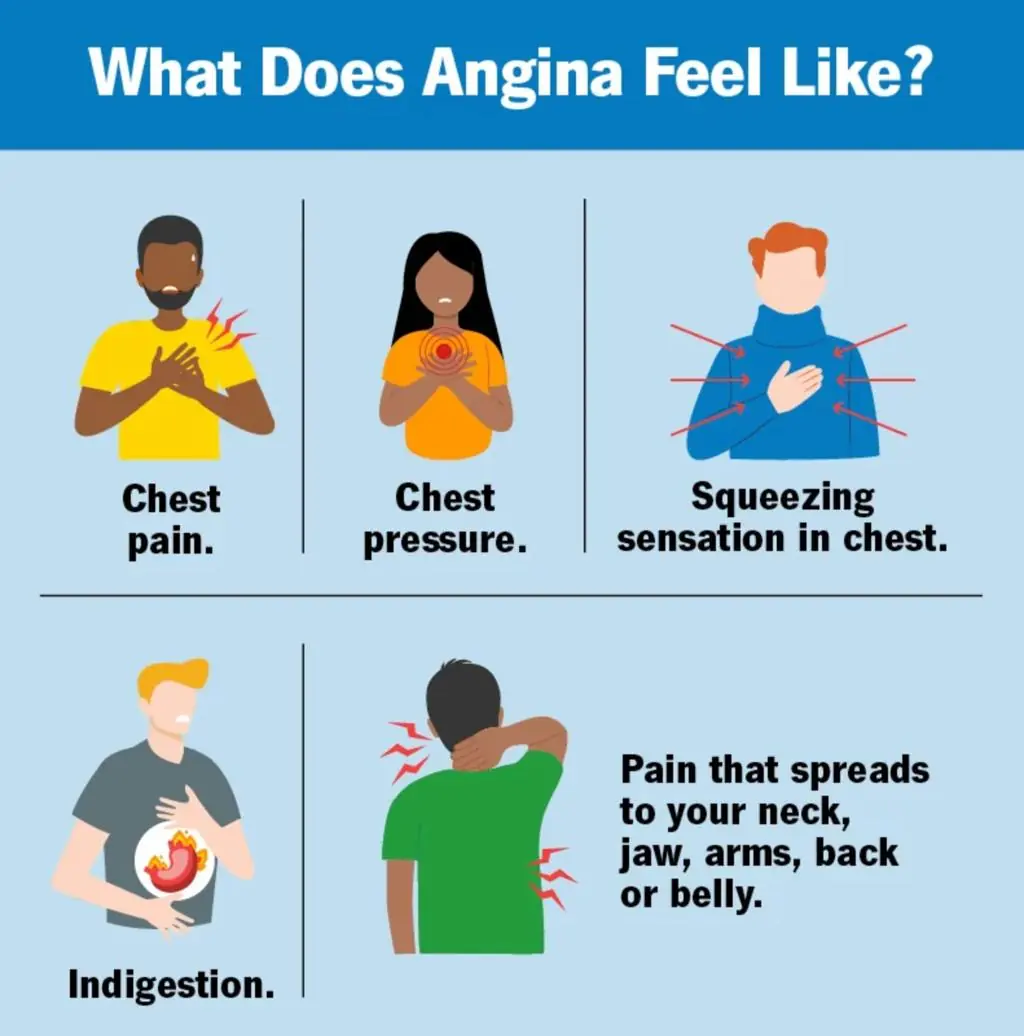
One of the most common early warning signs is chest discomfort, not always intense pain.
It may feel like:
- Pressure or tightness
- A squeezing sensation
- Mild burning or heaviness
Unlike sudden heart attack pain, this discomfort can appear and disappear, especially during physical activity or stress.
Don’t ignore recurring chest sensations—even if they seem mild.
2. Unusual Fatigue That Doesn’t Make Sense


5
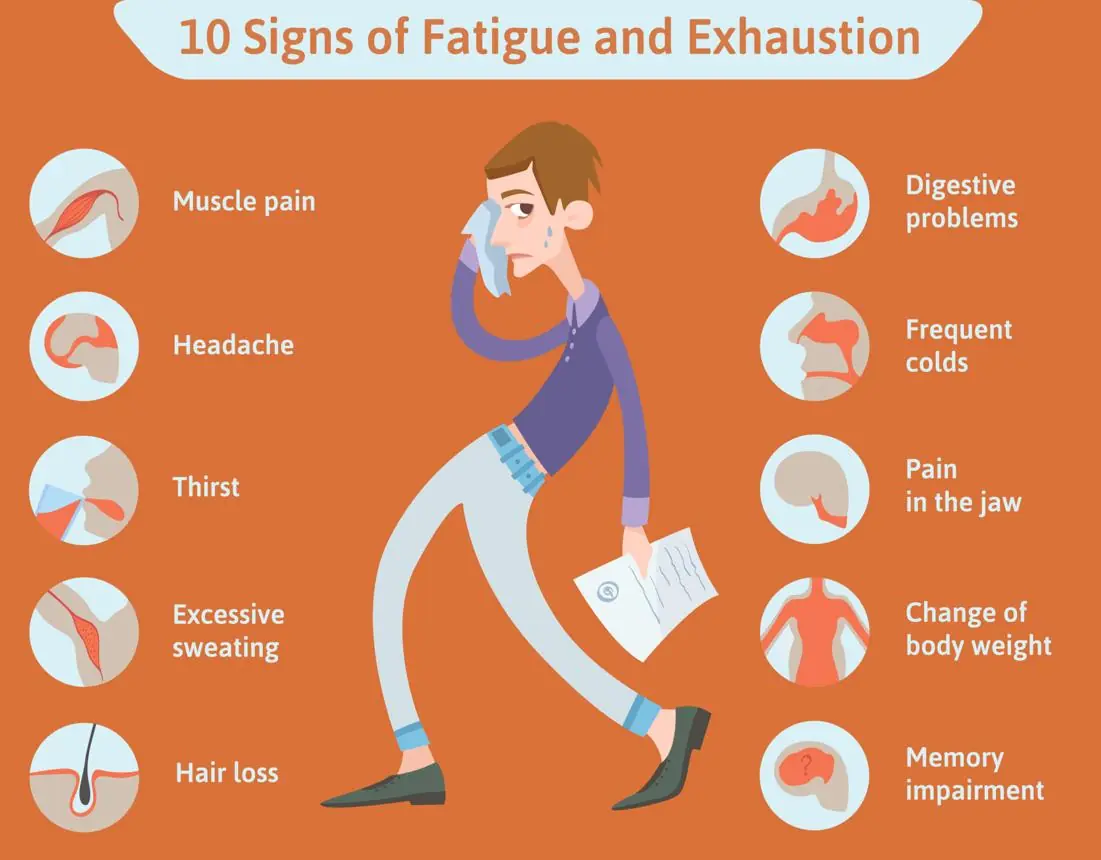
Feeling tired after a long day is normal. But unusual, persistent fatigue—especially without a clear cause—can be a red flag.
Many people report:
- Feeling drained after simple tasks
- Sudden drop in energy levels
- Difficulty staying awake or focused
This happens because the heart is struggling to pump efficiently, forcing your body to work harder.
3. Pain in the Neck, Jaw, Back, or Arms



6
Heart-related pain doesn’t always stay in the chest. It can radiate to other parts of the body, including:
- Neck
- Jaw
- Shoulders
- Upper back
- Left arm
This kind of pain is often dull and persistent rather than sharp. It may come and go, making it easy to overlook.
If you feel unexplained discomfort in these areas, especially combined with other symptoms—pay attention.
4. Shortness of Breath



6
If you find yourself getting out of breath easily—even when resting or doing light activities—it could be a sign your heart isn’t pumping effectively.
This symptom may appear:
- During simple movements
- While lying down
- Without any physical exertion
Breathing difficulty is never something to brush off.
5. Changes in Feet and Circulation



6
The image you saw also highlights something many people overlook—changes in the feet.
Watch for:
- Swelling (edema)
- Pale or bluish toes
- Cold feet
- Numbness or tingling
These may indicate poor blood circulation, which can be linked to heart problems.
Why People Ignore These Signs
Many early symptoms don’t feel dramatic. People often assume:
- “It’s just stress.”
- “I didn’t sleep well.”
- “It’s probably nothing serious.”
And that’s exactly why they’re dangerous.
Your body rarely screams at first—it whispers.
When Should You Take Action?
You should seek medical advice if:
- Symptoms appear repeatedly
- You notice a combination of warning signs
- The discomfort worsens over time
Early detection can significantly reduce the risk of a serious cardiac event.
Final Thoughts
A heart attack doesn’t always strike without warning. Your body often gives you clues—you just have to recognize them.
Ignoring these signals can be life-threatening, but paying attention can give you the chance to act early, protect your health, and even save your life.
Listen to your body. It knows more than you think.
Understanding What Happens Inside Your Body During a Heart Attack
To understand why these warning signs matter, it helps to know what actually happens during a heart attack.
Your heart is a muscle, and like every other muscle in your body, it needs a constant supply of oxygen to function. This oxygen is delivered through the coronary arteries, which carry oxygen-rich blood to the heart muscle.
A heart attack usually occurs when blood flow through one of these arteries becomes severely reduced or blocked. In many cases, fatty deposits known as plaque gradually accumulate along the artery walls. This process is called atherosclerosis.
Over time, plaque can narrow the arteries and make it more difficult for blood to pass through. Sometimes, the surface of a plaque ruptures. The body responds by forming a blood clot at that location. If the clot becomes large enough to block blood flow, the affected part of the heart muscle begins to suffer from oxygen deprivation.
Without prompt treatment, heart muscle cells can become permanently damaged.
This is why recognizing symptoms and seeking medical attention quickly are so important. A heart attack is not simply a moment of chest pain. It is a medical emergency in which every minute can make a difference.
However, it is important to understand that not everyone experiences a long period of warning symptoms. Some people have recurring discomfort before a heart attack, while others develop symptoms suddenly. A person can even have a heart attack without having noticed obvious warning signs beforehand.
The five signs discussed earlier are possible clues, not a reliable countdown to a future heart attack. They should be understood as reasons to pay attention to changes in your health rather than as a way to predict exactly when a cardiac event will occur.
The Difference Between Stable Angina and a Heart Attack
One reason people sometimes overlook chest discomfort is that they may experience symptoms that appear during physical activity and disappear after resting.
This can be a sign of angina.
Angina is chest discomfort caused by insufficient blood flow to the heart muscle. It is not always described as pain. Some people experience pressure, squeezing, heaviness, tightness, or an uncomfortable sensation behind the breastbone.
Stable angina often follows a recognizable pattern. For example, a person may notice discomfort when walking uphill, climbing stairs, carrying heavy objects, or exercising. The symptoms may improve after stopping the activity and resting.
Although stable angina is not the same as a heart attack, it should never be dismissed. It can indicate that the coronary arteries have become narrowed and that the heart is not receiving enough blood during periods of increased demand.
A more concerning situation occurs when chest discomfort becomes unpredictable.
Unstable angina may appear while resting, last longer than usual, become more frequent, or occur with less physical activity than before. It can signal a serious reduction in blood flow and may be part of acute coronary syndrome, which includes heart attacks.
There is also a condition called a myocardial infarction, the medical term for a heart attack. Unlike angina, a heart attack involves damage to heart muscle tissue.
The symptoms can overlap, so it is not possible to reliably distinguish a heart attack from angina based on sensation alone.