
Doctors reveal that eating eggs in the morning causes ...See more
What Happens to Your Body When You Eat Eggs for Breakfast Every Day?
Health 16/06/2026 11:38
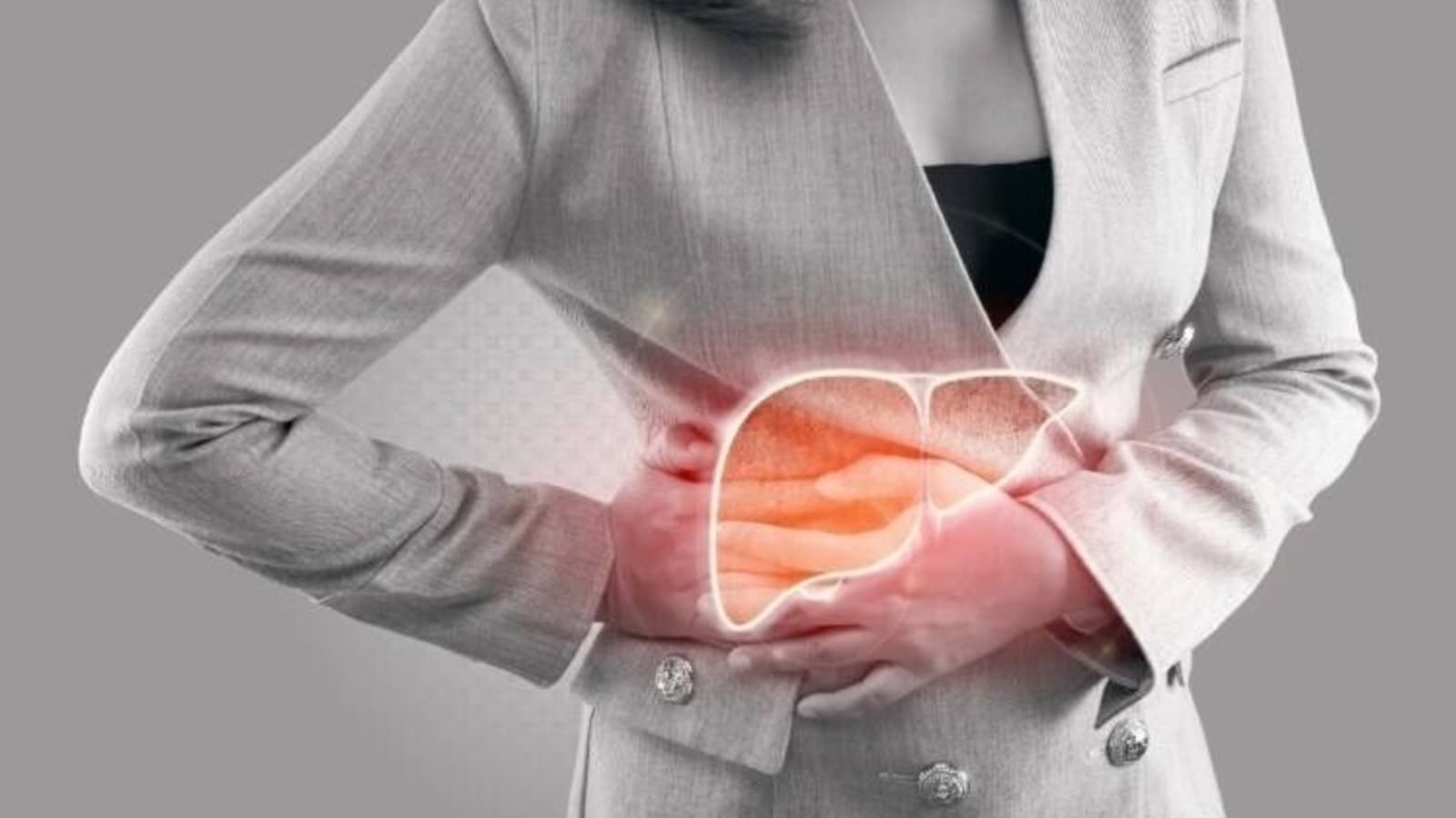
The liver is one of the hardest-working organs in the body. It performs hundreds of essential functions every day, including filtering toxins from the blood, processing nutrients, producing important proteins, and helping regulate metabolism.
Because the liver is so resilient, many liver-related problems develop silently over time. In fact, symptoms may not become noticeable until the condition has progressed significantly.
Fortunately, the body often provides warning signs when the liver is struggling. Recognizing these symptoms early may help individuals seek medical attention before more serious complications develop.
Here are some common signs that could indicate your liver is not functioning as well as it should.
Feeling tired after a long day is normal. However, ongoing fatigue that doesn't improve with rest may sometimes be associated with liver dysfunction.
When the liver is unable to efficiently process toxins and nutrients, the body's energy systems can be affected. As a result, some people experience chronic tiredness, weakness, or a general feeling of low energy.
While fatigue can have many causes, persistent exhaustion should not be ignored, especially when accompanied by other symptoms.
One of the most recognizable signs of liver problems is jaundice.
Jaundice occurs when bilirubin, a yellow pigment produced during the breakdown of red blood cells, builds up in the bloodstream. A healthy liver normally processes and removes bilirubin, but liver dysfunction can interfere with this process.
As bilirubin levels rise, the skin and the whites of the eyes may develop a yellow tint.
Any appearance of jaundice warrants prompt medical evaluation.
Changes in urine color can sometimes signal liver issues.
When bilirubin accumulates in the body, it may be excreted through the urine, causing it to appear unusually dark—often resembling tea or cola.
Dehydration can also darken urine, but if the color remains abnormal despite adequate hydration, it's important to consult a healthcare professional.
Healthy bile production gives stool its normal brown color.
When liver disease or bile duct problems interfere with the flow of bile, stools may become pale, gray, or clay-colored.
This symptom can sometimes indicate that bile is not reaching the digestive tract properly and should be discussed with a healthcare provider.
The liver is located in the upper right portion of the abdomen.
Inflammation, enlargement, or advanced liver disease can sometimes cause discomfort, pressure, or pain in this area.
In more severe cases, fluid may accumulate in the abdomen, resulting in noticeable swelling—a condition known as ascites.
Any unexplained abdominal enlargement should be medically evaluated.
Many people are surprised to learn that persistent itching can sometimes be associated with liver problems.
Although the exact mechanism is not always fully understood, impaired bile flow may contribute to irritation of the skin.
The itching may occur without a visible rash and can become particularly bothersome at night.
The liver plays an important role in producing proteins necessary for blood clotting.
When liver function declines, the body's ability to clot blood properly may be affected. As a result, some individuals notice that they bruise more easily or experience prolonged bleeding from minor cuts.
This symptom should always be taken seriously.

Fluid retention is another possible sign of advanced liver dysfunction.
When the liver cannot properly regulate proteins and fluid balance, swelling may develop in the feet, ankles, and lower legs.
Although swelling can occur for many reasons, persistent or worsening edema deserves medical attention.
A struggling liver can affect digestion and metabolism.
Some individuals experience a reduced appetite, nausea, or an unintentional loss of weight. These symptoms often develop gradually and may be overlooked at first.
Any significant weight loss without a clear explanation should be discussed with a healthcare professional.
In more advanced cases, liver dysfunction may affect mental clarity.
When toxins accumulate in the bloodstream and are not adequately removed by the liver, they can impact brain function. Some people describe symptoms such as confusion, forgetfulness, difficulty concentrating, or changes in mood.
These symptoms require prompt medical evaluation.
Many factors can affect liver health, including:
Some liver conditions can develop without causing symptoms for years, which is why regular health checkups are important.
While not all liver diseases can be prevented, healthy lifestyle habits can help reduce risk:
The liver performs countless tasks that are essential for overall health. When it begins to struggle, the body often sends warning signals such as fatigue, jaundice, dark urine, pale stools, abdominal swelling, itching, and unexplained weight changes.
These symptoms do not automatically mean you have liver disease, but they should not be ignored. Early diagnosis and treatment can significantly improve outcomes for many liver-related conditions.
If you notice any of these warning signs, consider speaking with a healthcare professional for proper evaluation and guidance.
What Happens to Your Body When You Eat Eggs for Breakfast Every Day?
⚡ If Your Veins Seem More Visible Lately, Here's What Could Be Behind It
🚨 These 5 Silent Symptoms Could Appear Days Before a Serious Stroke

🌱 Okra May Offer More Health Benefits Than You Ever Expected



Common sign of esoph.ageal can.cer most people miss.

Common sign of esoph.ageal can.cer most people miss.

What Happens When Excess Mucus Builds Up in Your Lungs and Throat?

General Understanding of Wrist Ganglion Cysts

Waking Up With a Dry Mouth at Night? Here Are 8 Possible Reasons

😲 Eat Avocado Every Day for a Week and You May Notice These Changes 👇
Waking Up With a Dry Mouth at Night? Here Are 8 Possible Reasons

Magnesium is an essential mineral in the human body, playing a critical role in over 300 enzymatic processes.

Magnesium is an essential mineral in the human body, playing a critical role in over 300 enzymatic processes.
4 early signs of bre.ast can.cer you should never ignore

4 early signs of bre.ast can.cer you should never ignore

Daily coffee habits may impact kidney health more than you think.

Daily coffee habits may impact kidney health more than you think.

Husbands With These Two Bad Habits May Put Their Wives at Higher Risk of Breast Cancer
What Happens to Your Body When You Eat Eggs for Breakfast Every Day?
⚡ If Your Veins Seem More Visible Lately, Here's What Could Be Behind It
🚨 These 5 Silent Symptoms Could Appear Days Before a Serious Stroke
🌱 Okra May Offer More Health Benefits Than You Ever Expected
Common sign of esoph.ageal can.cer most people miss.
Common sign of esoph.ageal can.cer most people miss.
What Happens When Excess Mucus Builds Up in Your Lungs and Throat?

General Understanding of Wrist Ganglion Cysts
General Understanding of Wrist Ganglion Cysts
Waking Up With a Dry Mouth at Night? Here Are 8 Possible Reasons
😲 Eat Avocado Every Day for a Week and You May Notice These Changes 👇
Waking Up With a Dry Mouth at Night? Here Are 8 Possible Reasons
Magnesium is an essential mineral in the human body, playing a critical role in over 300 enzymatic processes.
Magnesium is an essential mineral in the human body, playing a critical role in over 300 enzymatic processes.
4 early signs of bre.ast can.cer you should never ignore
4 early signs of bre.ast can.cer you should never ignore
Daily coffee habits may impact kidney health more than you think.
Daily coffee habits may impact kidney health more than you think.