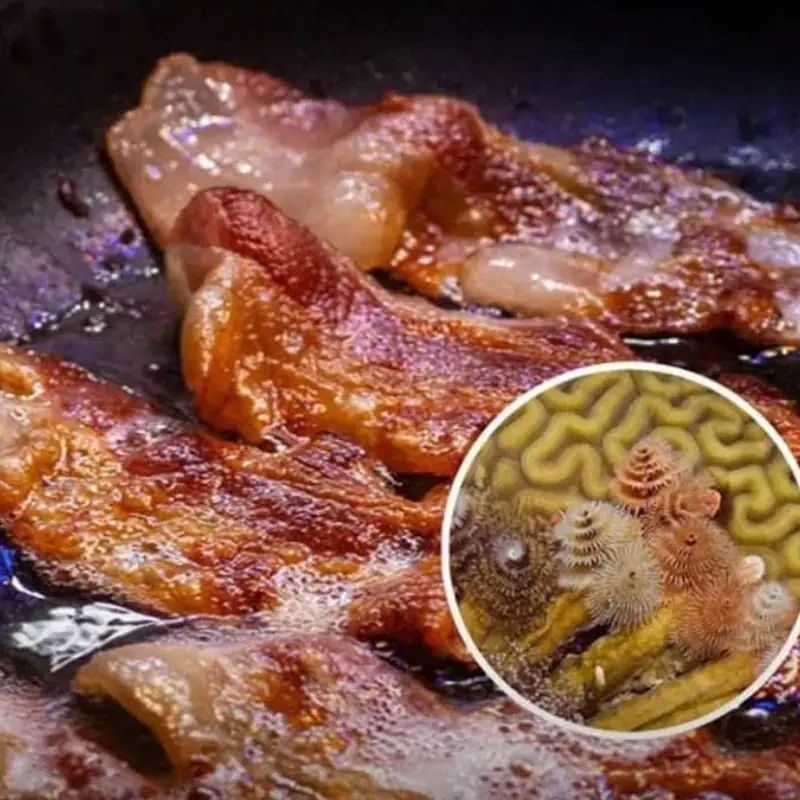
Man Develops “Pork Worms” in Brain: The Hidden Risk of Improper Cooking
Undercooked pork linked to rare but serious brain infection
Health 26/03/2026 01:53
People Prone to Stroke Often Exhibit These 8 Traits: Take Action Even If You Have Just One
Stroke is commonly seen in these groups of people. Check to see if you fall into one of these categories!
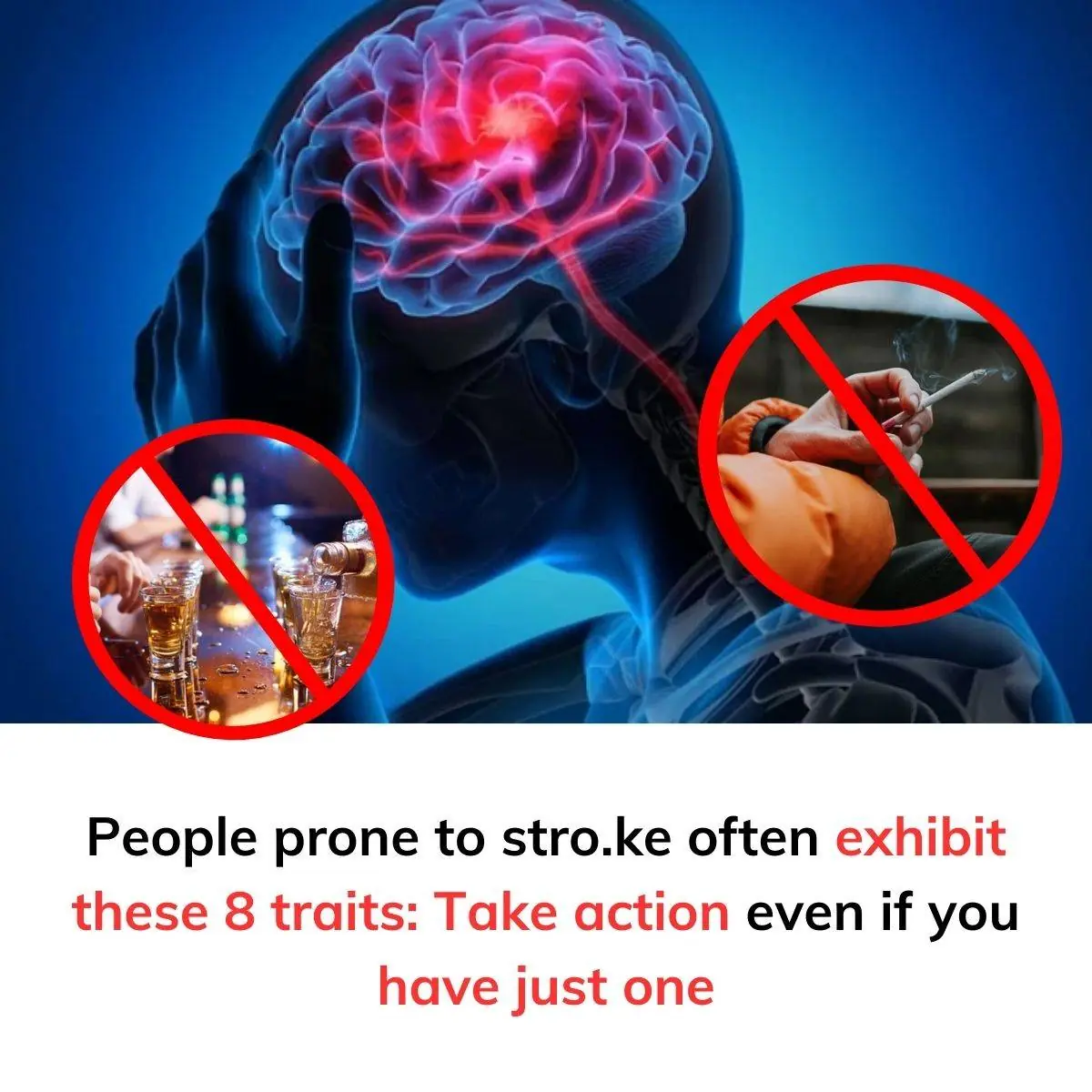
Stroke, also known as a cerebrovascular accident, occurs when underlying factors disrupt the blood flow to the brain. There are two primary causes of stroke:
People at high risk of stroke often exhibit the following traits:
High Blood Pressure According to the UK Stroke Association, high blood pressure can lead to stroke in various ways. Specifically, it can damage blood vessel walls, leading to the formation of blood clots. These clots can block blood vessels and cause a stroke. Additionally, high blood pressure may lead to hemorrhagic stroke.
Chronic High Blood Sugar Unstable blood sugar levels, chronic high blood sugar, or uncontrolled diabetes can damage blood vessels, increasing the risk of stroke.
Smoking Smoking significantly raises the risk of stroke. Certain toxins in cigarettes constrict blood vessels, increasing blood pressure. Others damage the lining of blood vessels, raising the likelihood of blood clots. Additionally, smoking reduces oxygen levels in the blood, potentially leading to ischemic brain damage and stroke.
Physical Inactivity Physical activity plays a crucial role in reducing risk factors for stroke, including high blood pressure, diabetes, high cholesterol, depression, and stress. According to the World Stroke Organization, physical inactivity is linked to 1 million stroke cases annually.
High Cholesterol High cholesterol is a leading risk factor for stroke. Excess cholesterol can accumulate in arteries, causing them to narrow and harden—a condition known as atherosclerosis. When these plaques rupture, they can form blood clots that block blood flow. If this occurs in arteries supplying the brain, it can cause a stroke.
Excessive Alcohol Consumption Overuse of alcohol can lead to high blood pressure and increased levels of bad cholesterol, both of which heighten the risk of stroke.
Obesity Obese individuals are more likely to have risk factors such as high cholesterol, high blood pressure, and diabetes, which are associated with stroke.
Transient Ischemic Attack (TIA) A TIA is a sudden onset of neurological symptoms caused by a small blood clot temporarily blocking a blood vessel. Symptoms of TIA resemble those of a stroke, including numbness on one side of the body, loss of speech, or decreased vision in one eye. Although the clot may dissolve, or the brain may adapt to the blockage, a TIA significantly increases the risk of a future, more severe stroke.
If you fall into one of the eight categories above, it is crucial to closely monitor your health condition. Seek medical advice to receive proper care and management. Follow your doctor’s recommendations regarding diet, lifestyle, medications, and regular check-ups.
However, stroke can occur in anyone at any time. Therefore, maintaining a healthy lifestyle is essential, even if you do not belong to these high-risk groups. Regular health check-ups can help detect potential risk factors early.
Undercooked pork linked to rare but serious brain infection
Natural foods may support immunity and long-term health
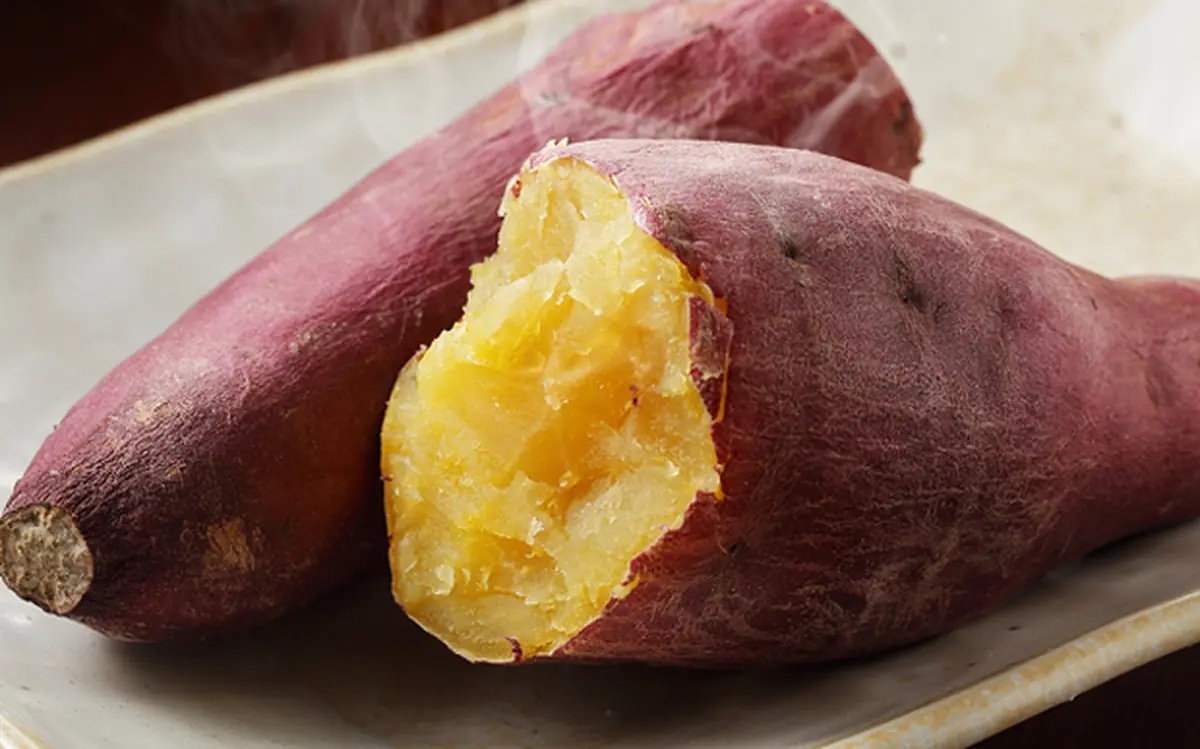
4 Times of Day When Eating Sweet Potatoes Can Be Especially Beneficial
Garlic is healthy… but not for everyone. Are you in the 4 risk groups?
Doctors have identified 6 morning traits commonly seen in cancer patients.
These 6 Groups Should Limit or Avoid Drinking Coconut Water

This low-cost, commonly found food could support cancer prevention.

10 Foods That Can Go Bad if Left Overnight in the Fridge
How Your Body Changes with a Daily Cup of Coffee?
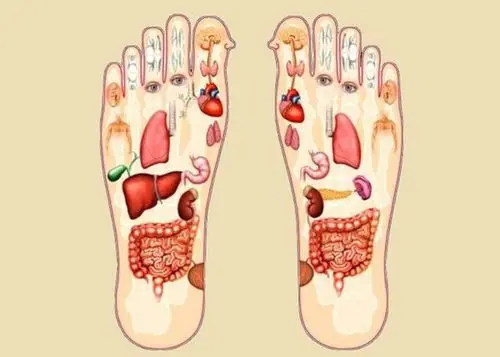
If You Notice These Signs on Your Feet, Your Body May Be Urging You to Go to the Hospital

3 habits that may raise a woman’s cervical cancer risk
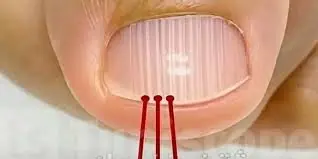
These Nail Lines After 40 Could Reveal Hidden Health Issues

Don’t brush this off — it might be an early red flag
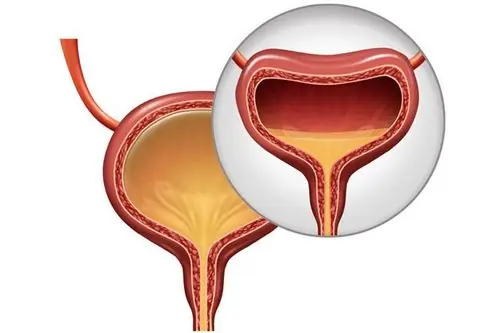
Quiet Early Signs of Bladder Cancer You Need to Pay Attention To
You eat eggs all the time—but do you know what they really do?
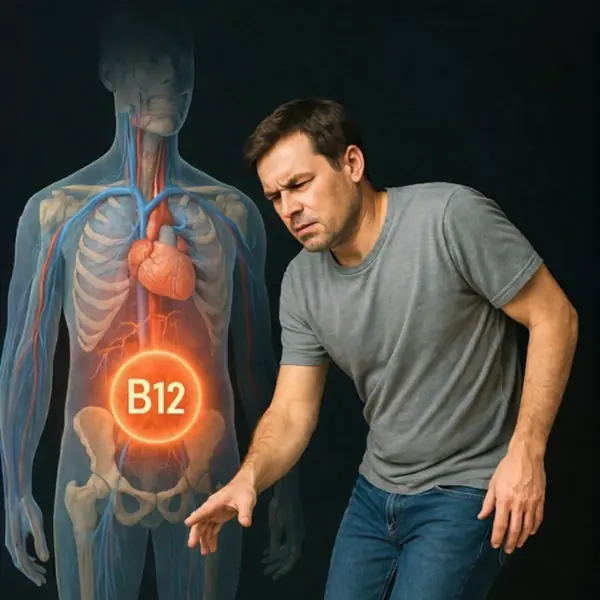
4 warning signs your body is low on vitamin B12
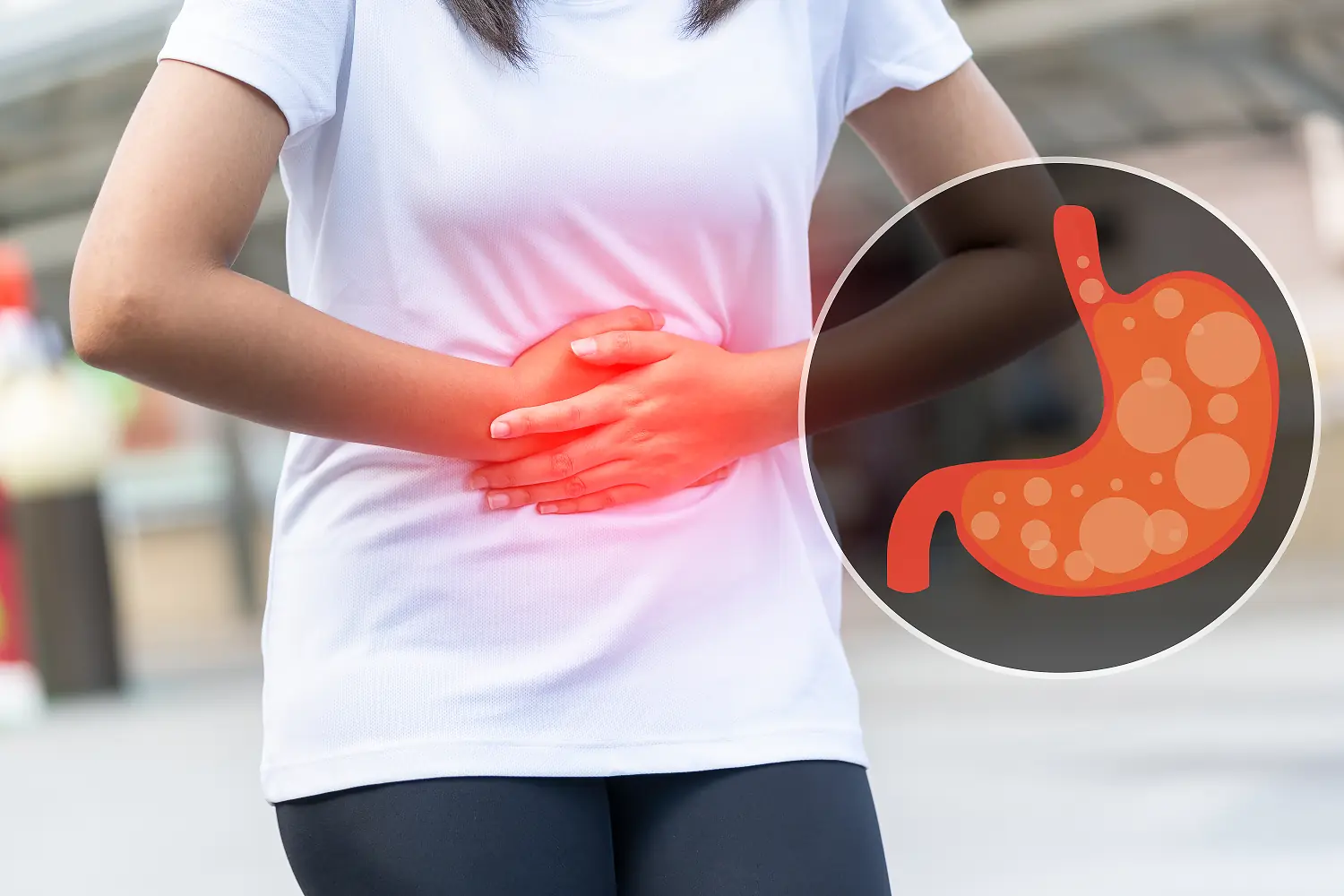
7 Signs of Late-Stage Stomach Cancer You Should Never Ignore

If You Notice These 3 Signs on Your Feet, It Could Indicate a Dangerous Infection—Act Fast

This could explain your constant fatigue

Undercooked pork linked to rare but serious brain infection
Natural foods may support immunity and long-term health

Drivers over 70 may face stricter rules in the near future
4 Times of Day When Eating Sweet Potatoes Can Be Especially Beneficial
Garlic is healthy… but not for everyone. Are you in the 4 risk groups?
Doctors have identified 6 morning traits commonly seen in cancer patients.
These 6 Groups Should Limit or Avoid Drinking Coconut Water
This low-cost, commonly found food could support cancer prevention.
10 Foods That Can Go Bad if Left Overnight in the Fridge
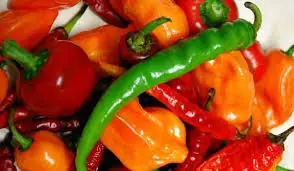
This Is What Happens When You Eat Chili Peppers Every Day
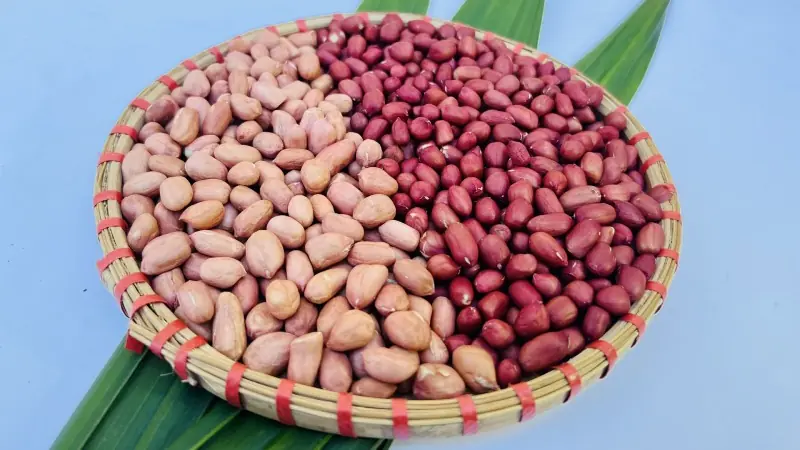
Red vs. White Peanuts: The Key Differences You Need to Know
How Your Body Changes with a Daily Cup of Coffee?
If You Notice These Signs on Your Feet, Your Body May Be Urging You to Go to the Hospital
3 habits that may raise a woman’s cervical cancer risk
These Nail Lines After 40 Could Reveal Hidden Health Issues
Don’t brush this off — it might be an early red flag

This simple trick removes even hidden dirt and insect eggs
Quiet Early Signs of Bladder Cancer You Need to Pay Attention To
You eat eggs all the time—but do you know what they really do?
4 warning signs your body is low on vitamin B12