The liver is one of the hardest-working organs in the human body. It helps filter toxins from the blood, supports digestion, stores nutrients, regulates metabolism, and plays an important role in immune function. Despite its importance, many people rarely think about liver health until serious problems begin to appear.
One of the biggest concerns with liver disease is that early symptoms are often subtle or easy to ignore. In many cases, the liver can continue functioning even while damaged, which means warning signs may go unnoticed for months or even years.
Recognizing potential early symptoms may help people seek medical attention sooner and make lifestyle changes that support better liver function. Here are 10 early signs your liver may be struggling - including one symptom many people overlook.

1. Constant Fatigue and Low Energy
Feeling tired occasionally is normal, but persistent fatigue that does not improve with rest may sometimes be linked to liver problems.
When the liver is not functioning properly, the body may have difficulty processing nutrients and removing toxins efficiently. This can leave people feeling exhausted, weak, or mentally drained.
Some people describe liver-related fatigue as:
- Constant tiredness
- Brain fog
- Difficulty concentrating
- Low motivation
- Feeling physically heavy
Chronic inflammation associated with liver stress may also contribute to reduced energy levels.
2. Digestive Problems
The liver produces bile, which helps break down fats during digestion. If liver function becomes impaired, digestive issues may appear.
Possible symptoms include:
- Nausea
- Loss of appetite
- Bloating
- Indigestion
- Feeling full quickly
- Discomfort after fatty meals
Some people may also notice increased sensitivity to greasy or fried foods.
Digestive symptoms alone do not always indicate liver disease, but persistent problems should not be ignored.
3. Unexplained Weight Changes
Sudden or unexplained changes in weight may sometimes signal liver trouble.
Some individuals experience weight gain due to fluid retention or fatty liver buildup, while others may lose weight because of poor appetite or nutrient absorption issues.
Fatty liver disease, in particular, has become increasingly common due to modern diets high in sugar, processed foods, and unhealthy fats.
Maintaining a healthy body weight may help reduce strain on the liver and support better metabolic health.
4. Yellowing of the Skin or Eyes
This is one of the most important warning signs to pay attention to.
Yellowing of the skin or eyes, known as jaundice, may occur when the liver cannot properly process bilirubin — a yellow substance produced when red blood cells break down.
When bilirubin builds up in the body, it can cause:
- Yellow skin
- Yellow eyes
- Dark urine
- Pale-colored stool
Jaundice may indicate serious liver stress or blockage and should never be ignored.
Even mild yellowing deserves prompt medical evaluation.
5. Pain or Discomfort in the Upper Right Abdomen
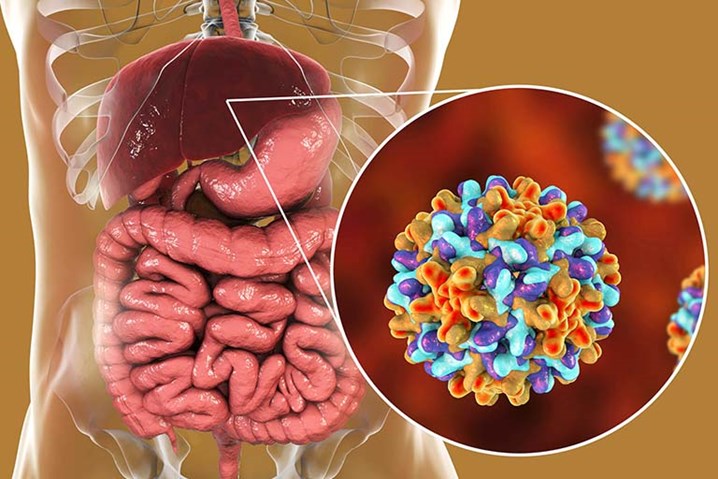
The liver is located on the upper right side of the abdomen. When inflamed or enlarged, it may cause discomfort in that area.
People sometimes describe the sensation as:
- Dull aching
- Pressure
- Fullness
- Tenderness beneath the ribs
This pain may come and go or become more noticeable after eating heavy meals.
Persistent abdominal discomfort should always be evaluated by a healthcare professional.
6. Swelling in the Legs or Abdomen
As liver function declines, the body may begin retaining fluid more easily.
This can lead to:
- Swollen ankles
- Puffy feet
- Abdominal swelling
- A bloated appearance
Fluid buildup in the abdomen is called ascites and may occur in advanced liver disease.
Swelling can also affect circulation and mobility if left untreated.
7. Itchy Skin
Many people do not realize that liver issues can affect the skin.
When bile flow becomes impaired, substances may accumulate in the bloodstream and trigger persistent itching.
Liver-related itching is often:
- Deep and intense
- Worse at night
- Not associated with a visible rash
- Difficult to relieve with lotions
Although itchy skin can have many causes, chronic unexplained itching may sometimes point to liver dysfunction.
8. Dark Urine
Urine color may provide important clues about overall health.
Dark urine that resembles tea or cola may sometimes indicate elevated bilirubin levels in the body.
This symptom may appear alongside:
- Jaundice
- Dehydration
- Pale stool
- Fatigue
While temporary dark urine can result from dehydration or certain foods, persistent changes should be evaluated.
9. Easy Bruising or Bleeding
The liver helps produce proteins involved in blood clotting.
When liver function becomes impaired, some people may bruise more easily or notice prolonged bleeding from minor cuts.
Signs may include:
- Frequent bruises
- Nosebleeds
- Bleeding gums
- Slow clotting
This may occur because the liver is no longer producing enough clotting factors efficiently.
10. Changes in Mental Clarity
In more advanced cases, liver dysfunction may affect brain function.
When toxins build up in the bloodstream instead of being filtered properly, they may impact the nervous system.
Possible symptoms include:
- Confusion
- Forgetfulness
- Difficulty focusing
- Mood changes
- Sleep disturbances
This condition is sometimes called hepatic encephalopathy and requires medical attention.
Even mild brain fog combined with other liver symptoms should not be ignored.
Common Causes of Liver Problems
Several lifestyle and medical factors may contribute to liver damage over time.
Excess Alcohol Consumption
Heavy alcohol use may inflame and scar liver tissue.
Fatty Liver Disease
A diet high in sugar, processed foods, and unhealthy fats may lead to fat accumulation in the liver.
Viral Infections
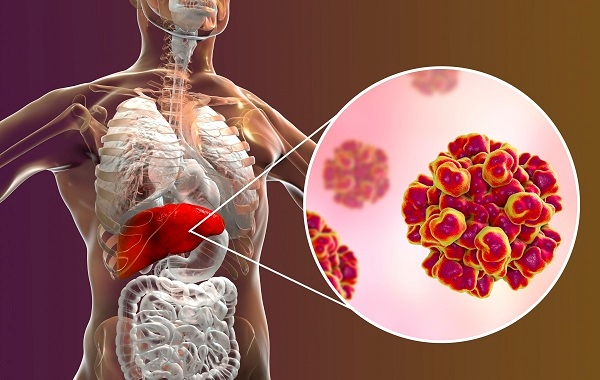
Hepatitis viruses can damage liver cells and impair function.
Obesity and Diabetes
Metabolic conditions increase the risk of fatty liver disease.
Certain Medications
Some medications or supplements may place extra stress on the liver when used improperly.
How to Support Liver Health Naturally
Although some liver conditions require medical treatment, healthy lifestyle habits may help support liver function.
Eat a Balanced Diet
Focus on:
- Vegetables
- Fruits
- Whole grains
- Lean proteins
- Healthy fats
Reducing processed foods and excess sugar may help decrease liver stress.
Stay Hydrated
Water supports detoxification and overall organ function.
Limit Alcohol Intake
Reducing alcohol consumption may significantly benefit liver health.
Exercise Regularly
Physical activity may help reduce fatty liver risk and improve metabolism.
Maintain a Healthy Weight
Weight management plays an important role in preventing liver disease.
Be Careful with Medications
Always follow dosage instructions and avoid unnecessary supplements.
When to See a Doctor
Many liver conditions can improve when detected early.
Medical attention should be sought if symptoms include:
- Yellow skin or eyes
- Persistent abdominal pain
- Severe fatigue
- Swelling
- Confusion
- Ongoing digestive issues
Blood tests and imaging studies may help evaluate liver function before more serious complications develop.
Final Thoughts
The liver performs hundreds of essential tasks every single day, yet early warning signs of liver trouble are often easy to overlook. Fatigue, digestive changes, itching, swelling, and yellowing of the eyes may all signal that the liver is under stress.
Paying attention to these symptoms and supporting liver health through better lifestyle habits may help protect one of the body’s most important organs.
Sometimes the body sends quiet signals long before major problems appear and listening early may make a significant difference.