A brain aneurysm can exist quietly for years without causing any noticeable symptoms. In many cases, people do not know they have one until it is discovered during imaging performed for another reason.
That is part of what makes brain aneurysms so difficult to recognize.
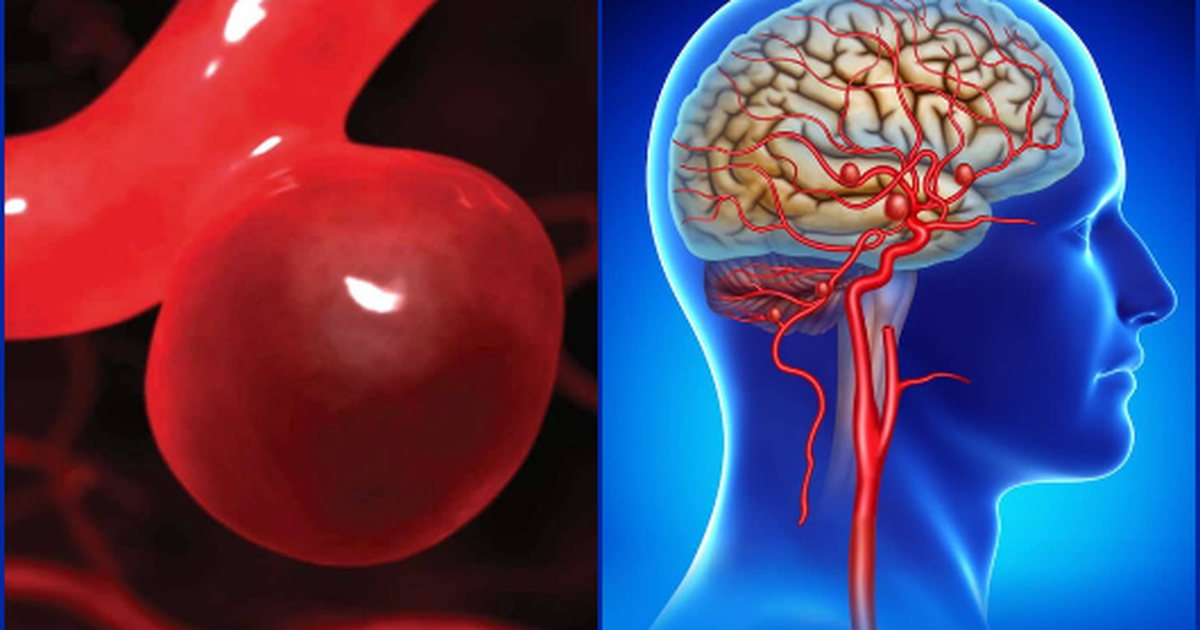
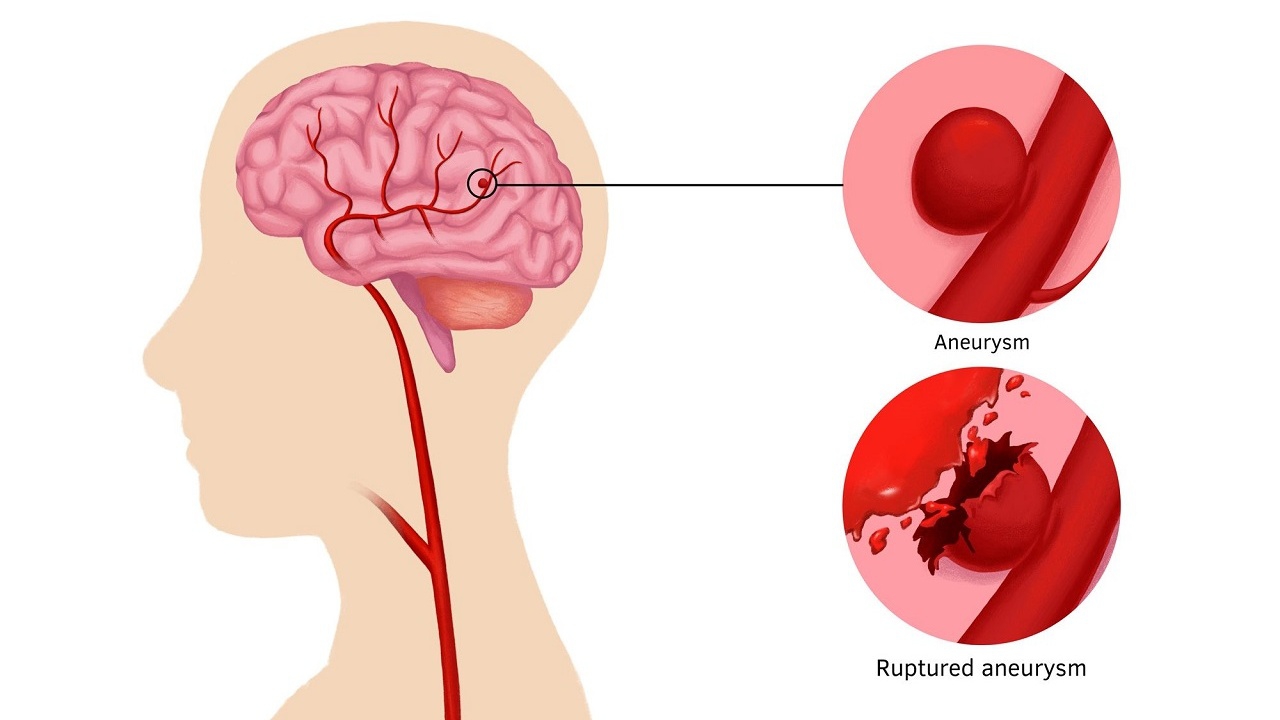
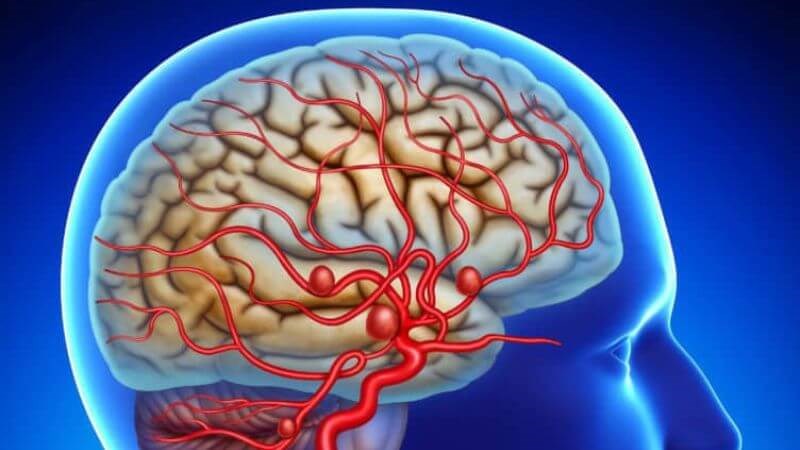
A brain aneurysm, also called a cerebral or intracranial aneurysm, is a weakened area in the wall of a blood vessel in the brain that bulges outward. Some aneurysms remain small and stable, while others can enlarge over time. In a more serious situation, an aneurysm can rupture and cause bleeding around the brain, known as subarachnoid hemorrhage.
A ruptured brain aneurysm is a medical emergency.
Importantly, the symptoms below do not automatically mean someone has a brain aneurysm. Many of them can occur with migraine, infections, neurological disorders, dehydration, medication effects, and other much more common conditions.
However, certain symptoms - particularly a sudden, extremely severe headache—should never be casually dismissed.
Here are 10 possible signs and symptoms worth knowing.
1. A Sudden, Extremely Severe Headache
One of the most important warning symptoms associated with a ruptured brain aneurysm is a sudden, severe headache.
People often describe this type of headache as a "thunderclap headache" because it can reach maximum intensity extremely quickly.
It may feel dramatically different from a person's usual headaches.
Someone might describe it as:
- The worst headache they have ever experienced
- A sudden explosion of pain
- An extremely intense headache that appears without warning
- Severe pain that reaches its peak within seconds or minutes
The suddenness is particularly important.
A typical tension headache may gradually become uncomfortable. A migraine can also develop progressively and may have recognizable features for someone who experiences migraines regularly.
A thunderclap headache is different because of how abruptly and intensely it begins.
There are several possible causes of a sudden severe headache, and a ruptured aneurysm is only one of them. Other potentially serious conditions can also cause this type of headache.
That's why a sudden, unusually severe headache should be treated as an emergency rather than something to monitor at home.
If someone suddenly develops an explosive headache unlike anything they've experienced before, especially if other neurological symptoms appear, emergency medical evaluation is important.
2. A Severe Headache Accompanied by Neck Stiffness
Neck stiffness can occur for many reasons, including muscle strain, poor sleeping position, viral illness, and other conditions.
But when severe neck stiffness occurs together with a sudden, intense headache, it deserves particular attention.
If an aneurysm ruptures, blood can enter the space surrounding the brain. This can irritate the tissues around the brain and spinal cord and may contribute to neck stiffness or pain.
The person may find it uncomfortable or difficult to move the neck normally.
This symptom can also occur with meningitis and other serious conditions, so it isn't specific to aneurysm.
The important point is the combination of symptoms.
A sudden severe headache accompanied by neck stiffness, nausea, vomiting, confusion, sensitivity to light, or neurological changes should not be dismissed as an ordinary headache.
Medical professionals can determine whether urgent imaging or other testing is necessary.
3. Nausea or Vomiting
Nausea and vomiting may accompany a severe headache associated with a brain aneurysm, particularly after bleeding occurs.
However, this is one of the least specific symptoms on the list.
Nausea can result from:
- Migraine
- Food poisoning
- Gastrointestinal infections
- Motion sickness
- Medication side effects
- Pregnancy
- Anxiety
- Dehydration
- Many other conditions
So nausea by itself is not a reliable way to identify a brain aneurysm.
The concern becomes greater when nausea or vomiting occurs alongside a sudden, unusually severe headache or other neurological symptoms.
For example, someone who suddenly develops an explosive headache followed shortly afterward by repeated vomiting should receive urgent medical attention.
4. Sensitivity to Light
Another possible symptom following bleeding around the brain is photophobia, or unusual sensitivity to light.
A person may find ordinary indoor lighting uncomfortable or may want to remain in a dark room.
Again, this symptom isn't unique to aneurysms.
Migraine is a particularly common cause of light sensitivity. Certain infections and inflammatory conditions can also cause it.
But when sensitivity to light occurs together with a sudden severe headache, neck stiffness, vomiting, confusion, or other neurological changes, the combination deserves urgent evaluation.
The broader lesson is important:
Symptoms should be considered together rather than interpreted individually.
A single symptom rarely provides enough information to determine what's happening inside the brain.
5. Changes in Vision
Some brain aneurysms that have not ruptured can cause symptoms by pressing on nearby nerves or structures.
Depending on the aneurysm's location and size, a person may experience changes such as:
- Blurred vision
- Double vision
- Loss of vision in part of the visual field
- Difficulty focusing
- Other unusual visual disturbances
Some aneurysms can affect nerves involved in eye movement or vision.
For example, an aneurysm near certain cranial nerves may interfere with the normal movement of one eye and result in double vision.
Sudden vision changes can have many causes, including retinal problems, migraine, stroke, and other neurological or vascular conditions.
That's why sudden or unexplained vision loss should never be assumed to be "just an eye problem."
If vision suddenly changes—particularly when accompanied by severe headache, weakness, difficulty speaking, or confusion—seek emergency medical care.
6. A Drooping Eyelid or Unequal Pupils
A less common but potentially important symptom is a change involving one eye.
A person may notice:
- One eyelid suddenly drooping
- One pupil appearing larger than the other
- Difficulty moving one eye normally
- Double vision
- Pain around or behind the eye
These symptoms can occur when an aneurysm presses on nearby cranial nerves.
But they can also have other neurological or eye-related causes.
A new, unexplained drooping eyelid or unequal pupils should therefore be evaluated promptly, particularly if the change develops suddenly.
The combination of an abnormal eye finding and a severe headache is especially concerning.
7. Weakness or Numbness on One Side of the Body
Sudden weakness or numbness affecting one side of the body is a major neurological warning sign.
It may involve:
- The face
- Arm
- Leg
- Or several areas on the same side
A person may suddenly struggle to lift one arm, walk normally, grip an object, or smile symmetrically.
This can occur with stroke and other neurological emergencies. In the setting of a ruptured aneurysm, bleeding and increased pressure around the brain can also produce neurological deficits.
Importantly, you should not wait to determine whether the symptom is caused by an aneurysm or a stroke.
The immediate priority is emergency medical assessment.
Sudden one-sided weakness or numbness is not something to sleep on or monitor for several hours.
8. Difficulty Speaking or Understanding Speech
A sudden change in language ability can also indicate a serious neurological problem.
Someone might suddenly:
- Slur their words
- Struggle to find the right words
- Speak in sentences that don't make sense
- Have difficulty understanding others
- Become unable to communicate normally
These symptoms are strongly associated with stroke, but serious bleeding in the brain can also affect areas responsible for language.
If someone suddenly develops difficulty speaking or understanding speech, emergency medical attention is warranted.
One useful way to remember major stroke warning signs is FAST:
F — Face: Is one side of the face drooping?
A — Arms: Is one arm weak or numb?
S — Speech: Is speech suddenly strange or difficult?
T — Time: Call emergency services immediately.
Even when an aneurysm isn't ultimately responsible, these symptoms can indicate another time-sensitive neurological emergency.
9. Seizures or Sudden Loss of Consciousness
A ruptured aneurysm can cause bleeding and irritation within or around the brain, potentially resulting in a seizure.
A seizure may involve:
- Uncontrolled shaking
- Loss of awareness
- Staring and unresponsiveness
- Sudden muscle stiffening
- Abnormal movements
- Temporary confusion afterward
A person may also suddenly lose consciousness.
Neither seizures nor fainting automatically means someone has a brain aneurysm.
There are numerous potential causes, ranging from epilepsy and metabolic disturbances to heart problems and other neurological conditions.
But a first-ever seizure, unexplained loss of consciousness, or seizure accompanied by a sudden severe headache requires urgent medical evaluation.
If someone is actively having a seizure, protect them from nearby hazards, do not put anything in their mouth, and seek emergency assistance.
10. Confusion, Extreme Drowsiness, or a Sudden Change in Mental State
Another possible sign of serious bleeding in the brain is a sudden change in consciousness or mental function.
Someone may become:
- Confused
- Extremely sleepy
- Difficult to wake
- Disoriented
- Unable to respond normally
- Suddenly unconscious
These changes can indicate that the brain is under significant stress.
They can occur with many emergencies, including stroke, severe infection, low blood sugar, poisoning, seizures, head injury, and intracranial bleeding.
Because the causes can be serious, sudden unexplained confusion or decreased consciousness should be treated as an emergency.
Not Every Brain Aneurysm Causes Symptoms
This is one of the most important things to understand.
A person can have an unruptured brain aneurysm without experiencing any symptoms at all.
Some aneurysms are discovered accidentally when a person undergoes brain imaging for another reason.
When an unruptured aneurysm does cause symptoms, those symptoms may depend on its size and location.
A larger aneurysm can sometimes press against nearby nerves or brain structures, potentially producing symptoms involving vision, eye movement, facial sensation, or other neurological functions.
But there is no universal symptom pattern.
That's why a list of symptoms should never be used as a self-diagnosis tool.
What Causes a Brain Aneurysm?
A brain aneurysm develops when part of a blood vessel wall becomes weakened and begins to bulge.
The exact reason this happens isn't always clear.
Several factors may increase the likelihood of developing an aneurysm or experiencing rupture.
These can include:
- High blood pressure
- Cigarette smoking
- Certain inherited conditions
- A family history of brain aneurysm
- Older age
- Some abnormalities of blood vessels
- Previous aneurysm
- Certain connective-tissue disorders
Not everyone with these risk factors develops an aneurysm.
Likewise, a person without obvious risk factors can still develop one.
Smoking and Blood Pressure Matter
Two modifiable factors deserve particular attention: smoking and uncontrolled high blood pressure.
Long-term high blood pressure places stress on blood vessel walls.
Smoking can damage blood vessels and is associated with an increased risk of aneurysm formation and rupture.
If you smoke, quitting is one of the most meaningful steps you can take for your overall cardiovascular and cerebrovascular health.
If you have high blood pressure, regular monitoring and appropriate treatment can also reduce the risk of several serious vascular complications.
These measures aren't a guarantee against aneurysm, but they address important contributors to vascular health.
When Is a Headache an Emergency?
Most headaches are not caused by brain aneurysms.
Tension headaches, migraines, sinus-related symptoms, dehydration, lack of sleep, and many other conditions are far more common.
But certain headache patterns should raise immediate concern.
Seek emergency medical care if a headache:
- Appears suddenly and reaches extreme intensity rapidly
- Is unlike any previous headache
- Occurs with loss of consciousness
- Occurs with a seizure
- Is accompanied by weakness or numbness
- Causes difficulty speaking
- Occurs with significant confusion
- Is accompanied by severe neck stiffness
- Occurs with sudden vision problems
Don't drive yourself if you are experiencing severe neurological symptoms.
Call your local emergency service and follow their instructions.
Why You Shouldn't Wait for Symptoms to "Get Worse"
A dangerous misconception is that a serious neurological condition will always provide plenty of warning.
That's not necessarily true.
A ruptured aneurysm can produce symptoms suddenly.
Waiting to see whether an explosive headache disappears can waste valuable time.
At the same time, it's important not to panic over every headache.
The goal is not to assume the worst.
The goal is to recognize patterns that require urgent evaluation.
A sudden neurological change deserves medical attention even when the eventual diagnosis turns out to be something less serious.
How Doctors Diagnose a Brain Aneurysm
If a clinician suspects an aneurysm, they may use brain and blood-vessel imaging.
Depending on the situation, testing can include:
CT scan
A CT scan can quickly detect bleeding in or around the brain and is commonly used in emergency settings.
CT angiography
This type of imaging can provide information about blood vessels and may help identify an aneurysm.
MRI or magnetic resonance angiography
MRI-based imaging can provide detailed information about the brain and its blood vessels and may be used in appropriate circumstances.
Cerebral angiography
In some situations, doctors may perform a more detailed catheter-based angiogram to examine the cerebral blood vessels.
The exact testing strategy depends on the person's symptoms, timing, medical history, and clinical findings.
What Happens if an Aneurysm Is Found?
Finding an aneurysm does not automatically mean that it needs immediate surgery.
Doctors consider multiple factors, including:
- Aneurysm size
- Location
- Shape
- Growth over time
- Previous rupture
- Patient age
- Overall health
- Family history
- Other risk factors
Some small aneurysms may be monitored with follow-up imaging.
Others may warrant treatment to reduce the risk of rupture.
Potential treatments can include surgical clipping or endovascular procedures such as coiling and other techniques.
The appropriate approach is highly individualized.
A Crucial Distinction: Unruptured vs. Ruptured
The difference between an unruptured and ruptured aneurysm is extremely important.
Unruptured aneurysm
An aneurysm has formed but has not leaked or burst.
Many cause no symptoms and may be discovered incidentally.
Ruptured aneurysm
The aneurysm breaks and blood escapes into surrounding spaces.
This can cause a sudden, severe headache and other neurological symptoms and represents a medical emergency.
The two situations can look very different clinically.
Don't Try to Diagnose an Aneurysm From Symptoms Alone
A headache doesn't tell you that an aneurysm is present.
Neither does nausea.
Neither does neck pain.
Neither does dizziness.
The same symptom can have dozens of possible causes.
Even experienced physicians cannot reliably diagnose a brain aneurysm simply by reading a symptom list.
Diagnosis may require neurological examination and appropriate imaging.
So if you are concerned about recurring headaches or unusual neurological symptoms, speak with a healthcare professional rather than trying to match yourself to an online checklist.
The Bottom Line
A brain aneurysm can sometimes exist without producing any symptoms, which is why it can be difficult to recognize.
When symptoms do occur, they may include sudden severe headache, neck stiffness, nausea or vomiting, sensitivity to light, vision changes, drooping eyelid or unequal pupils, one-sided weakness or numbness, speech difficulties, seizures, and sudden confusion or loss of consciousness.
However, these symptoms are not specific to aneurysms and can occur with many other conditions.
The symptom that should receive particular attention is a sudden, extremely severe headache that reaches maximum intensity rapidly, especially when accompanied by neurological changes.
If you or someone around you suddenly develops this type of headache, loses consciousness, has a seizure, develops weakness or numbness, has difficulty speaking, or experiences another major neurological change, seek emergency medical care immediately.
Don't wait for the symptoms to become more obvious.
With neurological emergencies, recognizing the warning signs is important—but knowing when to act is even more important.