A brain aneurysm can exist quietly for years without causing any noticeable symptoms. In many cases, people do not know they have one until it is discovered during imaging performed for another reason.
That is part of what makes brain aneurysms so difficult to recognize.
A brain aneurysm, also called a cerebral or intracranial aneurysm, is a weakened area in the wall of a blood vessel in the brain that bulges outward. Some aneurysms remain small and stable, while others can enlarge over time. In a more serious situation, an aneurysm can rupture and cause bleeding around the brain, known as subarachnoid hemorrhage.
A ruptured brain aneurysm is a medical emergency.
Importantly, the symptoms below do not automatically mean someone has a brain aneurysm. Many of them can occur with migraine, infections, neurological disorders, dehydration, medication effects, and other much more common conditions.
However, certain symptoms - particularly a sudden, extremely severe headache—should never be casually dismissed.
Here are 10 possible signs and symptoms worth knowing.
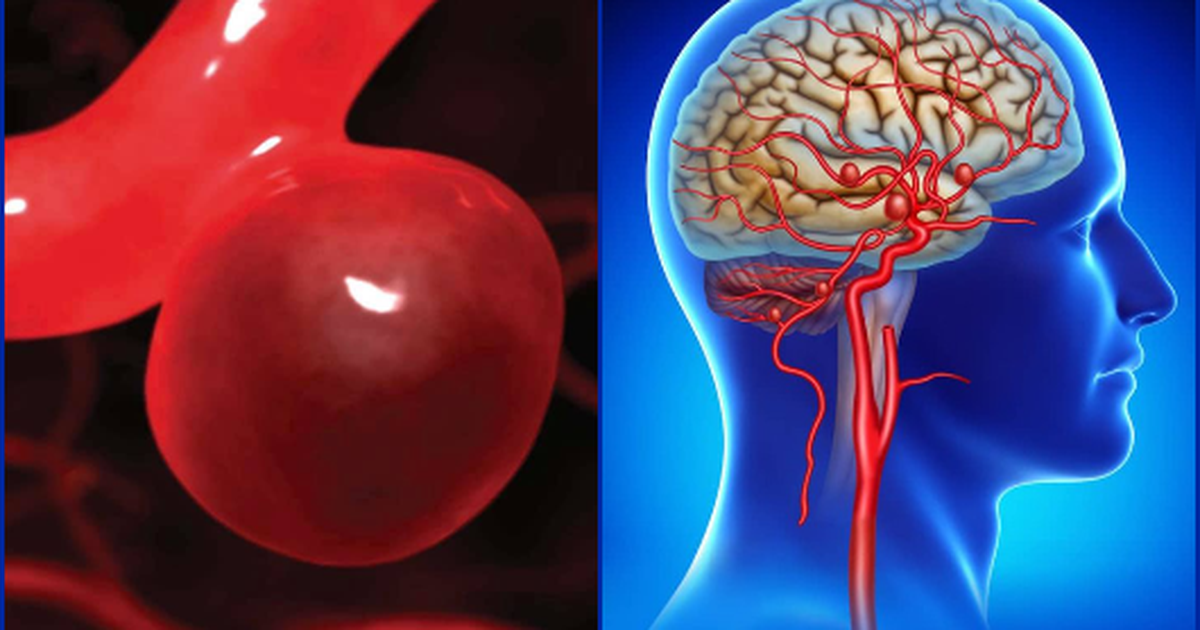
1. A Sudden, Extremely Severe Headache
One of the most important warning symptoms associated with a ruptured brain aneurysm is a sudden, severe headache.
People often describe this type of headache as a "thunderclap headache" because it can reach maximum intensity extremely quickly.
It may feel dramatically different from a person's usual headaches.
Someone might describe it as:
- The worst headache they have ever experienced
- A sudden explosion of pain
- An extremely intense headache that appears without warning
- Severe pain that reaches its peak within seconds or minutes
The suddenness is particularly important.
A typical tension headache may gradually become uncomfortable. A migraine can also develop progressively and may have recognizable features for someone who experiences migraines regularly.
A thunderclap headache is different because of how abruptly and intensely it begins.
There are several possible causes of a sudden severe headache, and a ruptured aneurysm is only one of them. Other potentially serious conditions can also cause this type of headache.
That's why a sudden, unusually severe headache should be treated as an emergency rather than something to monitor at home.
If someone suddenly develops an explosive headache unlike anything they've experienced before, especially if other neurological symptoms appear, emergency medical evaluation is important.
2. A Severe Headache Accompanied by Neck Stiffness
Neck stiffness can occur for many reasons, including muscle strain, poor sleeping position, viral illness, and other conditions.
But when severe neck stiffness occurs together with a sudden, intense headache, it deserves particular attention.
If an aneurysm ruptures, blood can enter the space surrounding the brain. This can irritate the tissues around the brain and spinal cord and may contribute to neck stiffness or pain.
The person may find it uncomfortable or difficult to move the neck normally.
This symptom can also occur with meningitis and other serious conditions, so it isn't specific to aneurysm.
The important point is the combination of symptoms.
A sudden severe headache accompanied by neck stiffness, nausea, vomiting, confusion, sensitivity to light, or neurological changes should not be dismissed as an ordinary headache.
Medical professionals can determine whether urgent imaging or other testing is necessary.
3. Nausea or Vomiting
Nausea and vomiting may accompany a severe headache associated with a brain aneurysm, particularly after bleeding occurs.
However, this is one of the least specific symptoms on the list.
Nausea can result from:
- Migraine
- Food poisoning
- Gastrointestinal infections
- Motion sickness
- Medication side effects
- Pregnancy
- Anxiety
- Dehydration
- Many other conditions
So nausea by itself is not a reliable way to identify a brain aneurysm.
The concern becomes greater when nausea or vomiting occurs alongside a sudden, unusually severe headache or other neurological symptoms.
For example, someone who suddenly develops an explosive headache followed shortly afterward by repeated vomiting should receive urgent medical attention.
4. Sensitivity to Light
Another possible symptom following bleeding around the brain is photophobia, or unusual sensitivity to light.