These symptoms are strongly associated with stroke, but serious bleeding in the brain can also affect areas responsible for language.
If someone suddenly develops difficulty speaking or understanding speech, emergency medical attention is warranted.
One useful way to remember major stroke warning signs is FAST:
F — Face: Is one side of the face drooping?
A — Arms: Is one arm weak or numb?
S — Speech: Is speech suddenly strange or difficult?
T — Time: Call emergency services immediately.
Even when an aneurysm isn't ultimately responsible, these symptoms can indicate another time-sensitive neurological emergency.
9. Seizures or Sudden Loss of Consciousness
A ruptured aneurysm can cause bleeding and irritation within or around the brain, potentially resulting in a seizure.
A seizure may involve:
- Uncontrolled shaking
- Loss of awareness
- Staring and unresponsiveness
- Sudden muscle stiffening
- Abnormal movements
- Temporary confusion afterward
A person may also suddenly lose consciousness.
Neither seizures nor fainting automatically means someone has a brain aneurysm.
There are numerous potential causes, ranging from epilepsy and metabolic disturbances to heart problems and other neurological conditions.
But a first-ever seizure, unexplained loss of consciousness, or seizure accompanied by a sudden severe headache requires urgent medical evaluation.
If someone is actively having a seizure, protect them from nearby hazards, do not put anything in their mouth, and seek emergency assistance.
10. Confusion, Extreme Drowsiness, or a Sudden Change in Mental State
Another possible sign of serious bleeding in the brain is a sudden change in consciousness or mental function.
Someone may become:
- Confused
- Extremely sleepy
- Difficult to wake
- Disoriented
- Unable to respond normally
- Suddenly unconscious
These changes can indicate that the brain is under significant stress.
They can occur with many emergencies, including stroke, severe infection, low blood sugar, poisoning, seizures, head injury, and intracranial bleeding.
Because the causes can be serious, sudden unexplained confusion or decreased consciousness should be treated as an emergency.
Not Every Brain Aneurysm Causes Symptoms
This is one of the most important things to understand.
A person can have an unruptured brain aneurysm without experiencing any symptoms at all.
Some aneurysms are discovered accidentally when a person undergoes brain imaging for another reason.
When an unruptured aneurysm does cause symptoms, those symptoms may depend on its size and location.
A larger aneurysm can sometimes press against nearby nerves or brain structures, potentially producing symptoms involving vision, eye movement, facial sensation, or other neurological functions.
But there is no universal symptom pattern.
That's why a list of symptoms should never be used as a self-diagnosis tool.
What Causes a Brain Aneurysm?
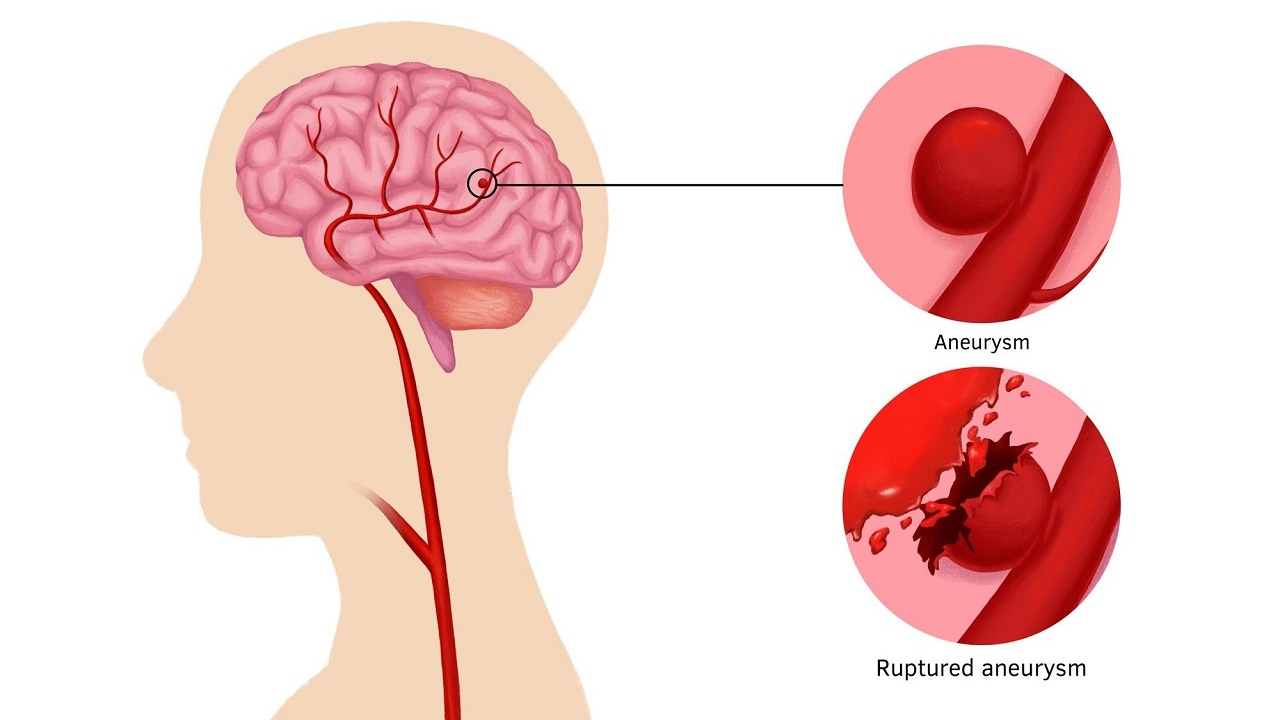
A brain aneurysm develops when part of a blood vessel wall becomes weakened and begins to bulge.
The exact reason this happens isn't always clear.
Several factors may increase the likelihood of developing an aneurysm or experiencing rupture.
These can include: