11 Hard-Boiled Egg Facts Most People Don’t Know 🥚🍳😲
Hard-boiled eggs are one of the simplest foods in the world—easy to cook, easy to carry, and packed with nutrition. But behind their plain appearance are some surprising facts most people never think about. Here are 11 things about hard-boiled eggs that might change the way you see them.
1. The color of the yolk can vary

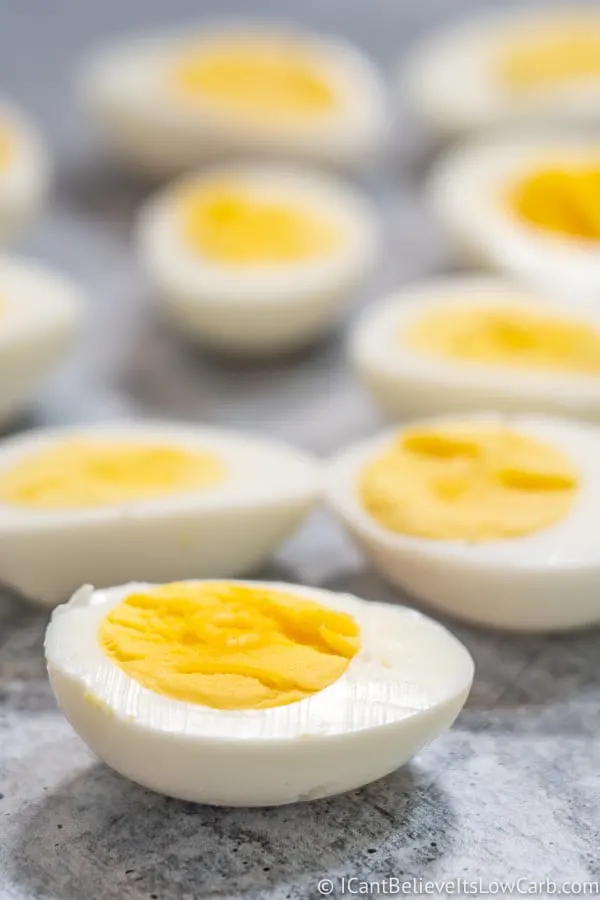
The yolk color can range from pale yellow to deep orange. This doesn’t indicate freshness—it depends on the hen’s diet.
2. Older eggs are easier to peel
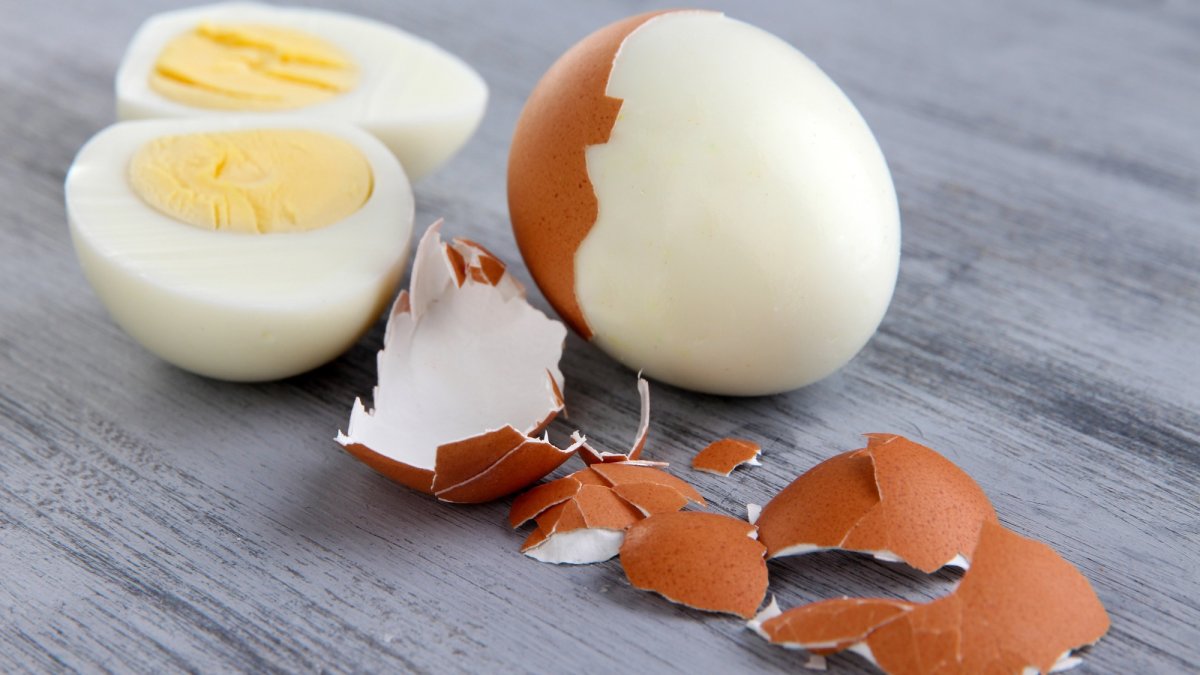
Slightly older eggs tend to peel more easily after boiling because the egg white separates from the shell membrane more effectively.
3. Overcooking changes everything
If you boil eggs too long, the yolk can turn greenish-gray. This is due to a harmless reaction between sulfur and iron.
4. Eggs continue cooking after boiling
Even after you remove them from heat, eggs keep cooking for a short time because of residual heat.
5. Fresh eggs are harder to peel
Very fresh eggs often stick to the shell, making them frustrating to peel after boiling.
6. They are a complete protein source
Hard-boiled eggs contain all nine essential amino acids, making them a “complete protein” food.
7. The smell comes from sulfur
That strong smell sometimes found in overcooked eggs is caused by sulfur compounds forming during heating.
8. Eggs are naturally nutrient-dense
They contain vitamins like B12, D, and A, along with minerals such as selenium and phosphorus.
9. Boiled eggs are one of the safest ways to eat eggs
Cooking eggs thoroughly reduces the risk of foodborne illness compared to raw or undercooked eggs.
10. Storage matters
Hard-boiled eggs should be refrigerated and ideally eaten within a week for best quality and safety.
11. They can help with appetite control
Because of their protein content, hard-boiled eggs can help you feel full longer, making them a popular snack for weight management.
Final Thought
Hard-boiled eggs may look simple, but they’re surprisingly complex in nutrition, chemistry, and even cooking behavior. Next time you peel one, you might appreciate it a little more than before.