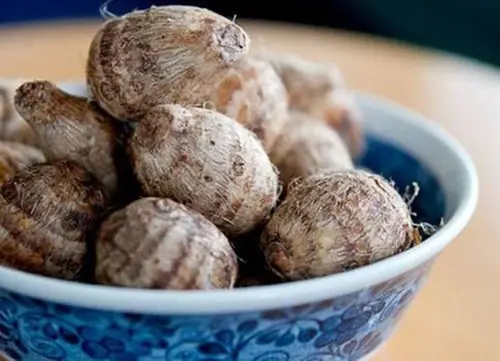
Most people have no idea how powerful the root of this plant is...
Taro: The Underrated Superfood That Could Transform Your Energy, Digestion, and Overall Wellness
Health 04/03/2026 09:01
Cruciferous Vegetables
Cruciferous vegetables such as broccoli, cauliflower, bok choy, etc., contain sulfur-rich compounds that can fight cancer.
In addition, these vegetables are also rich in indole-3-carbinol, which helps repair cell damage caused by exposure to carcinogens. Broccoli also provides abundant vitamins and minerals, supporting immune function and enhancing the body's ability to fight disease.
Spinach
Leafy green vegetables like spinach are a good source of folate, an important B vitamin that can help repair cells. Folate has also been found to reduce the risk of lung cancer, protecting cells from carcinogens from tobacco.
According to the American Institute for Cancer Research, spinach contains beta-carotene, vitamin C, fiber, and phytochemicals that have the ability to protect against cancer and reduce the risk of developing the disease.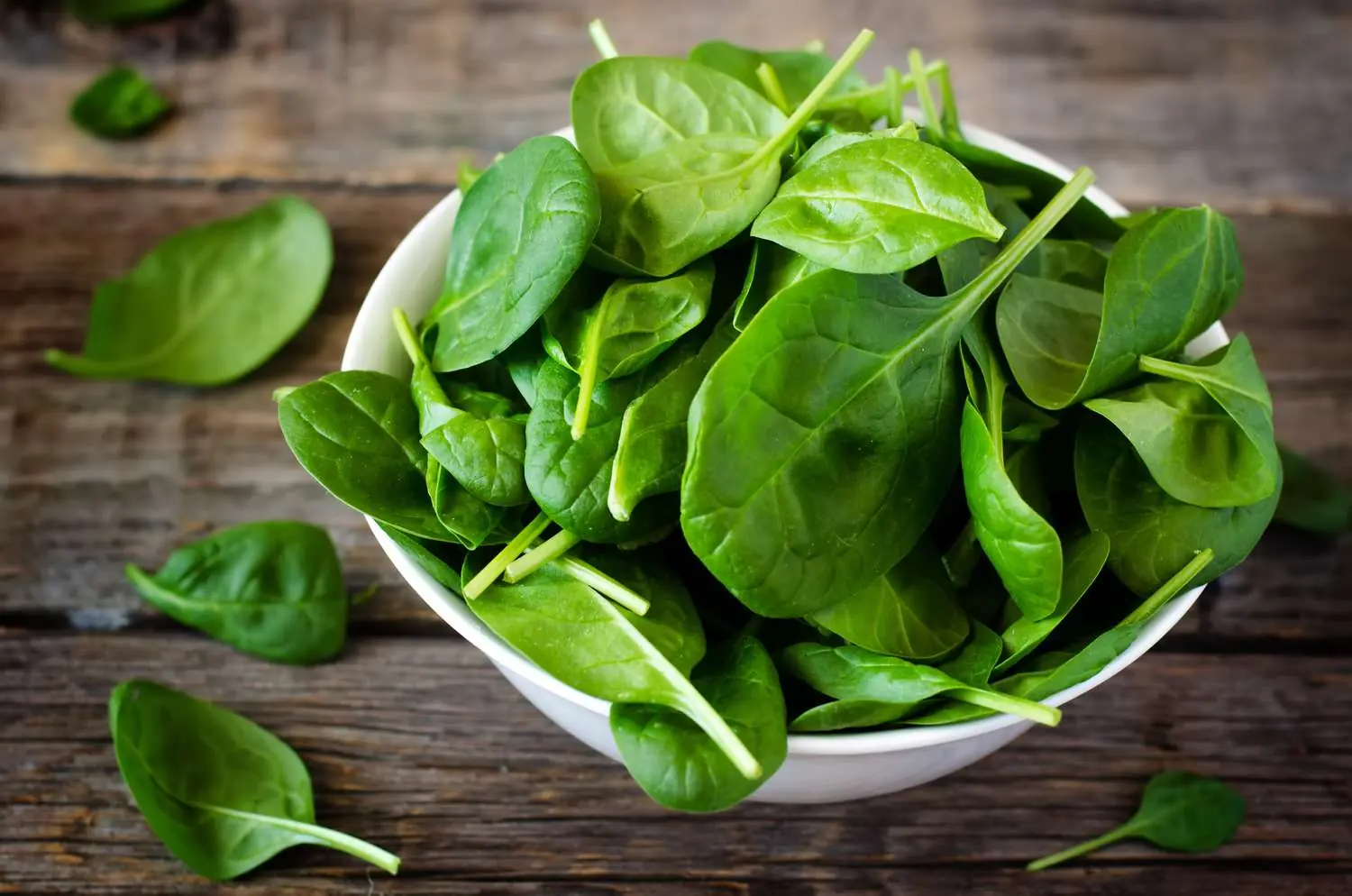
Papaya
Papaya contains antioxidants such as beta-carotene and lycopene, which help protect cells from damage that can lead to lung cancer. In addition, the high vitamin C content in papaya helps boost the immune system, reducing the risk of cancer.
This fruit also has chemopreventive properties, including activating tumor suppressor genes and minimizing oxidative damage.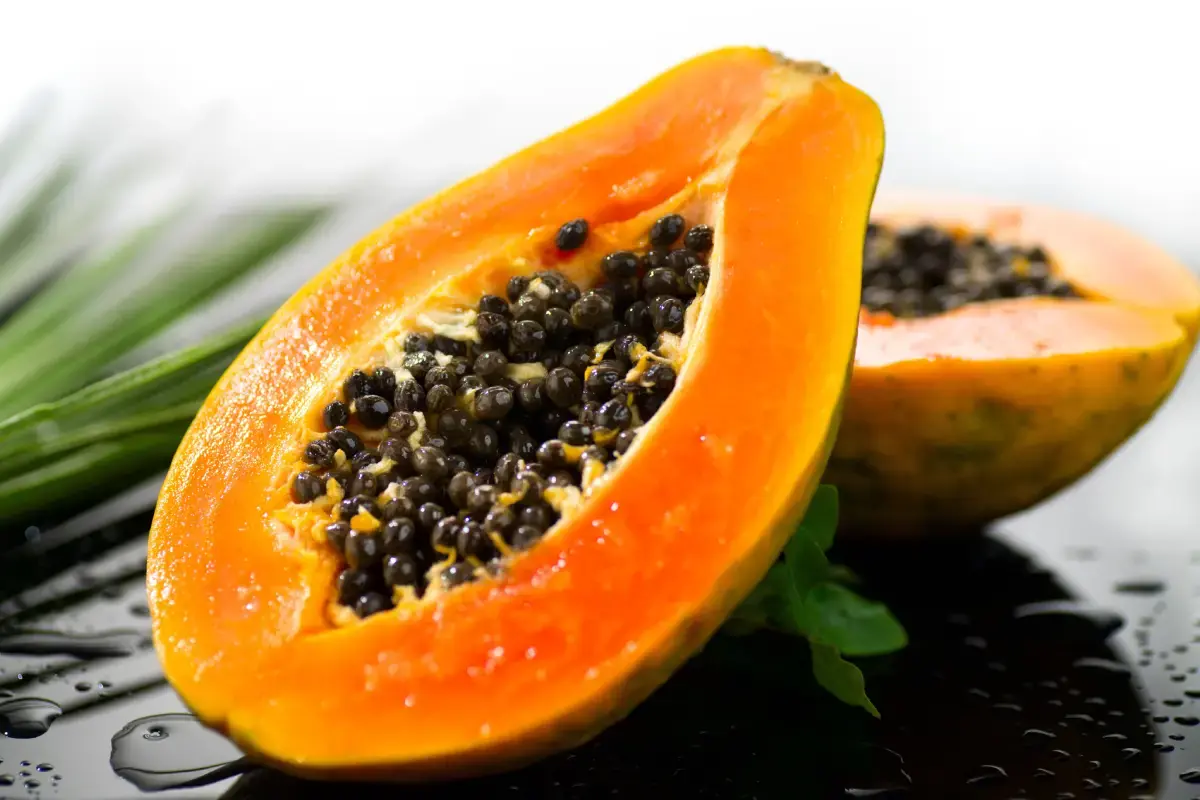
Ginger
Ginger is an age-old spice and herb that contains the compound 6-shogaol, which can prevent the development of lung cancer. According to a study published in the Journal of Agricultural and Food Chemistry, ginger can also reduce the risk of metastasis from an existing cancer. In addition, ginger helps reduce the side effects of chemotherapy such as nausea.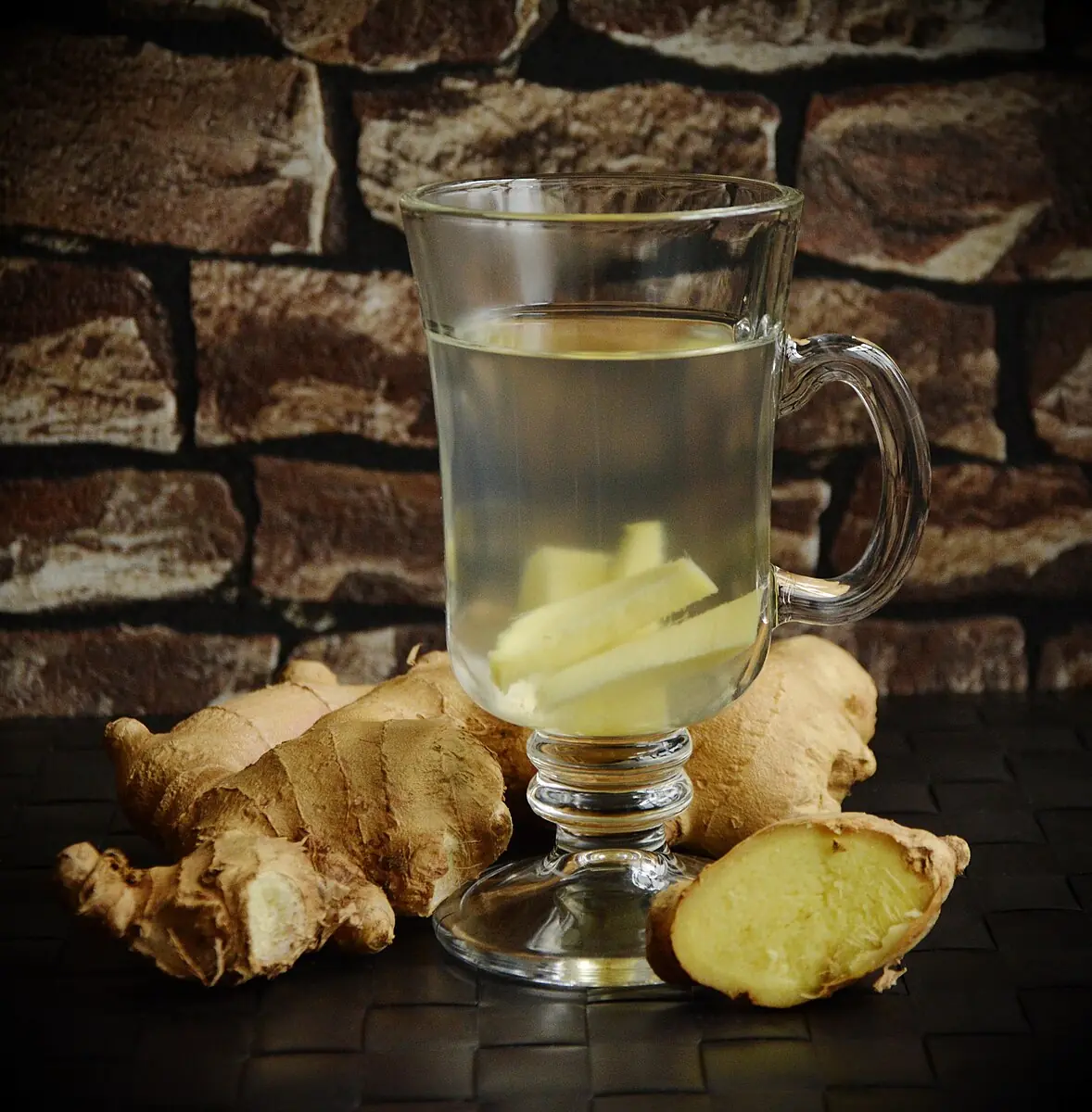
Flaxseed
Eating flaxseed regularly can help reduce oxidative stress and inflammation. According to a study on mice published in HHS Author Manuscripts, supplementing the diet with flaxseed significantly reduced the incidence and multiplicity of lung tumors caused by tobacco smoke carcinogens.
The mice fed flaxseed exhibited a lower incidence of tumors and fewer lung nodules, with a reduced incidence of adenocarcinoma. This may be due to the impact of flaxseed on signaling pathways, inflammation, and oxidative stress, suggesting the potential of flaxseed as an effective chemopreventive strategy against lung cancer.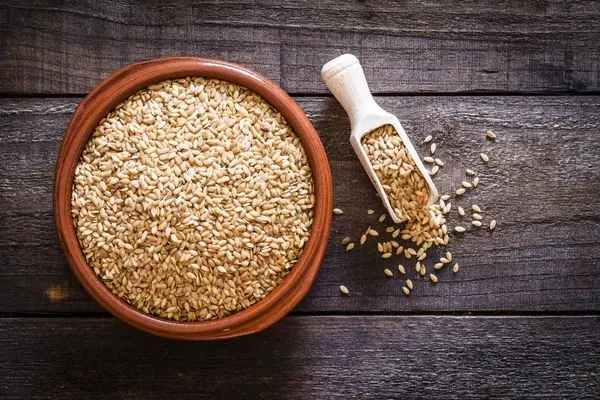
Taro: The Underrated Superfood That Could Transform Your Energy, Digestion, and Overall Wellness

At just 20 years old, Linh Nguyen (name changed), a young and passionate teacher at a local elementary school, passed away from liver cancer — a disease typically associated with older individuals or those with long-term health issues.
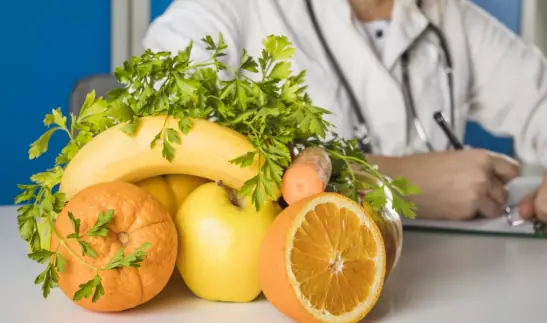
Cancer is one of the leading causes of death worldwide, but the good news is that certain foods contain powerful compounds that may help prevent and even fight cancer.
Magnesium is an essential mineral in the human body, playing a critical role in over 300 enzymatic processes.

Three Morning Habits Young People Often Ignore That Can Seriously Dam:age Their Kidneys — Quit These Now

If Your Parent Shows These 4 Signs, It May Be Time to Prepare
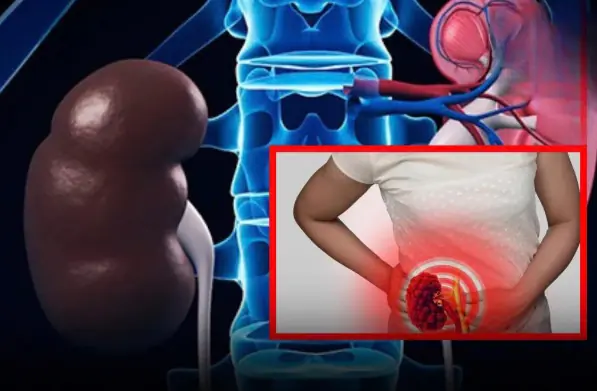
7 Signs Your Kidneys Are Working Well — Check Yourself

Have you ever been drifting off to sleep when suddenly your body jolts as if you’re falling?

The problem of drooling while sleeping should not be ignored, as it may be a sign of some diseases.
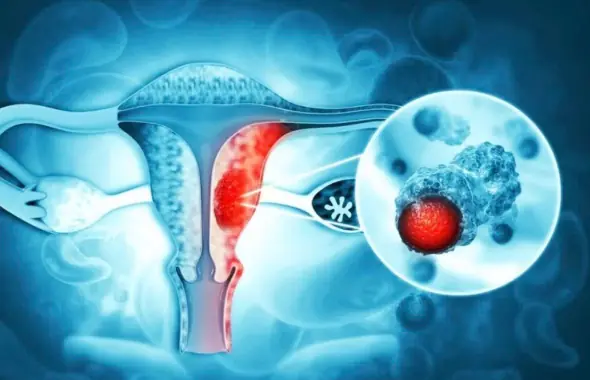
3 Intimate Habits of Husbands That May Increase Their Wives’ Risk of Cervical Cancer — What Every Couple Should Know

Swollen hands and feet? Know the warning signs
Understanding feminine odor: causes every woman should know
Bananas may seem small, but the impact on your heart is BIG!
One simple drink that could change your health in just a month.
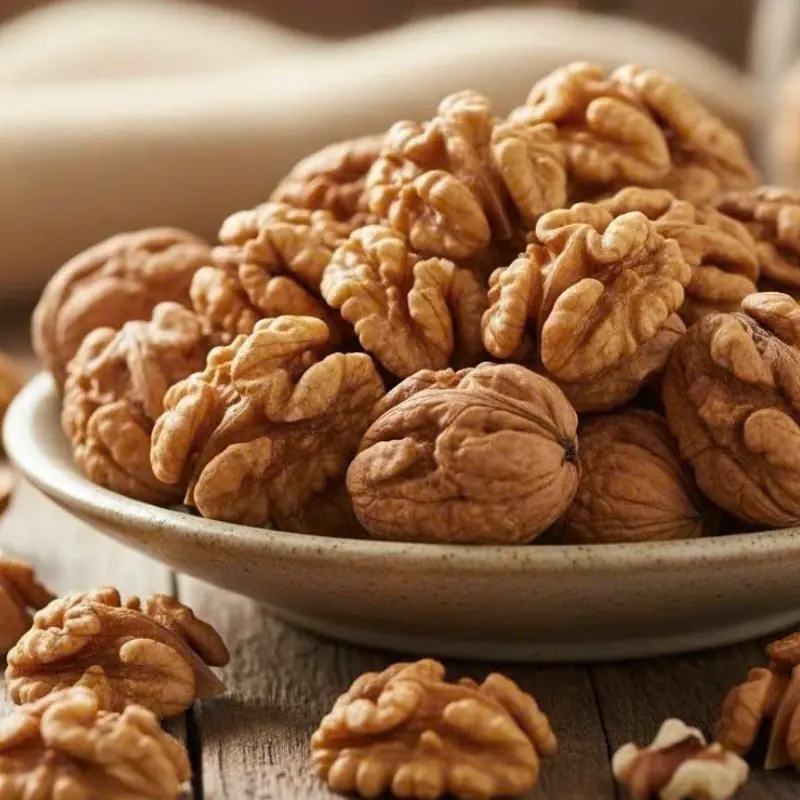
Daily walnuts: small habit, powerful health impact

When Itchy Skin Comes with Bumps: What It Could Really Mean

One month before a heart attack, your body may show these 7 warning signs — especially the 6th. Check the comment below
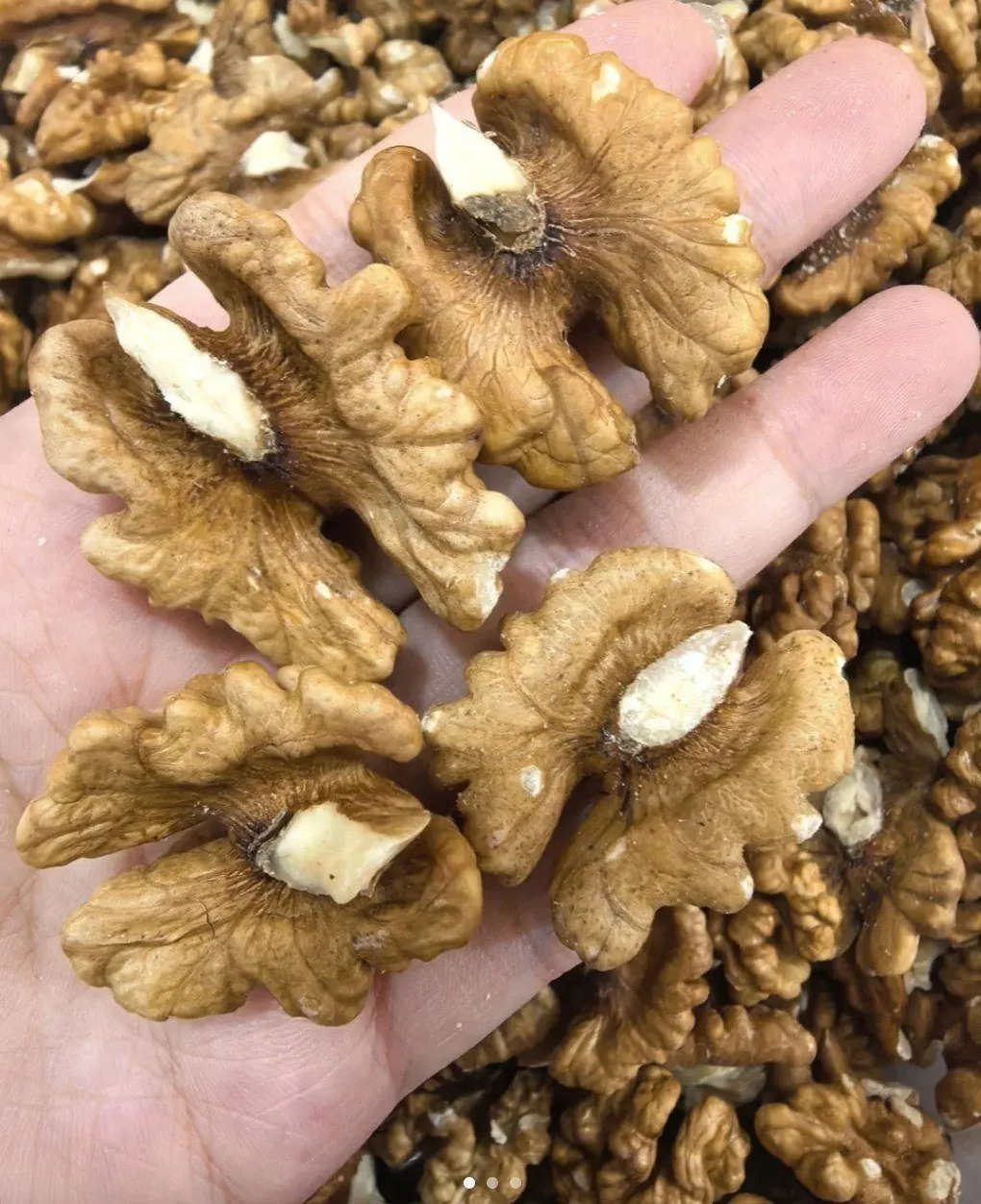
What Happens to Your Body When You Eat Walnuts Every Day Will Surprise You

6 nighttime warning signs of diabetes you should never overlook

7 Important Signs Your Body Is Crying Out for Help
Taro: The Underrated Superfood That Could Transform Your Energy, Digestion, and Overall Wellness
At just 20 years old, Linh Nguyen (name changed), a young and passionate teacher at a local elementary school, passed away from liver cancer — a disease typically associated with older individuals or those with long-term health issues.
Cancer is one of the leading causes of death worldwide, but the good news is that certain foods contain powerful compounds that may help prevent and even fight cancer.
Magnesium is an essential mineral in the human body, playing a critical role in over 300 enzymatic processes.
Three Morning Habits Young People Often Ignore That Can Seriously Dam:age Their Kidneys — Quit These Now
If Your Parent Shows These 4 Signs, It May Be Time to Prepare
7 Signs Your Kidneys Are Working Well — Check Yourself
Have you ever been drifting off to sleep when suddenly your body jolts as if you’re falling?
The problem of drooling while sleeping should not be ignored, as it may be a sign of some diseases.
3 Intimate Habits of Husbands That May Increase Their Wives’ Risk of Cervical Cancer — What Every Couple Should Know
Swollen hands and feet? Know the warning signs

Boiling garlic at home may freshen air naturally
Understanding feminine odor: causes every woman should know
Bananas may seem small, but the impact on your heart is BIG!

The hidden washing machine part you should clean monthly
One simple drink that could change your health in just a month.
Daily walnuts: small habit, powerful health impact
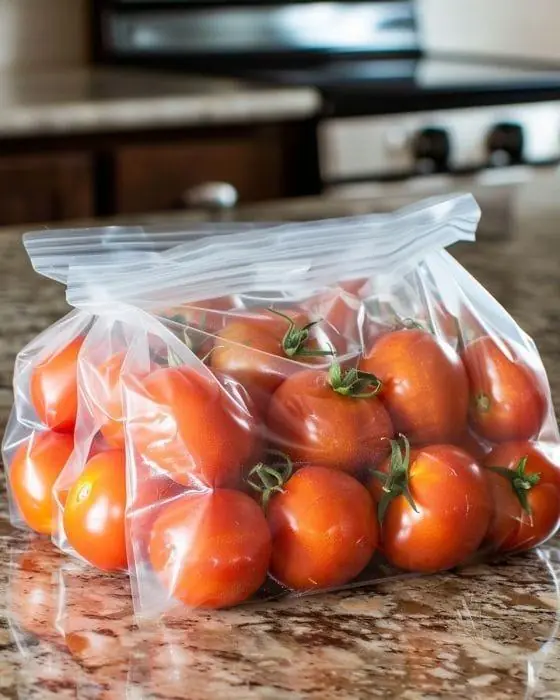
One small change in storage = tomatoes stay fresh for weeks!

Stop wasting time scrubbing — try this method instead!