When people think about protecting their lungs, they often focus on outdoor pollution, cigarette smoke, traffic fumes, or industrial chemicals. While these are important concerns, the air inside a home can also contain substances that irritate the respiratory system. In fact, many people spend a significant portion of their day indoors, meaning the quality of the air they breathe at home can have a meaningful influence on their comfort, breathing, and overall health.
A home may look clean, smell pleasant, and feel comfortable while still containing airborne particles, chemical vapors, dust, or pollutants that are not immediately noticeable. Some of these substances come from everyday household activities. Others are released by products that people use regularly, often without thinking twice about their potential effects on the respiratory system.
The lungs are designed to process air, but they are not completely immune to irritants. When certain particles or chemicals enter the respiratory tract, they may trigger inflammation, coughing, throat irritation, chest discomfort, sneezing, or shortness of breath in sensitive individuals. People with asthma, chronic obstructive pulmonary disease, allergies, or other respiratory conditions may be particularly sensitive to changes in indoor air quality.
It is important to understand that the presence of a household product does not automatically mean it is dangerous. Risk depends on several factors, including the substance involved, how much is released into the air, how frequently it is used, the size and ventilation of the room, and how long a person is exposed. A product that causes no noticeable reaction in one person may trigger coughing or irritation in another.
The goal is not to become afraid of ordinary household items or to eliminate everything from your home. Instead, the goal is to understand how certain products can affect the air around you and learn how to use them in ways that reduce unnecessary exposure.
Five common household items deserve particular attention: cleaning products, scented candles, air fresheners, mold-prone materials, and products or appliances that produce combustion-related pollutants. These items are often used in everyday routines, but simple changes in how they are handled can make indoor air more comfortable and potentially healthier.
The first item on this list is one that almost every household uses regularly—and one that can become particularly irritating when several products are used together.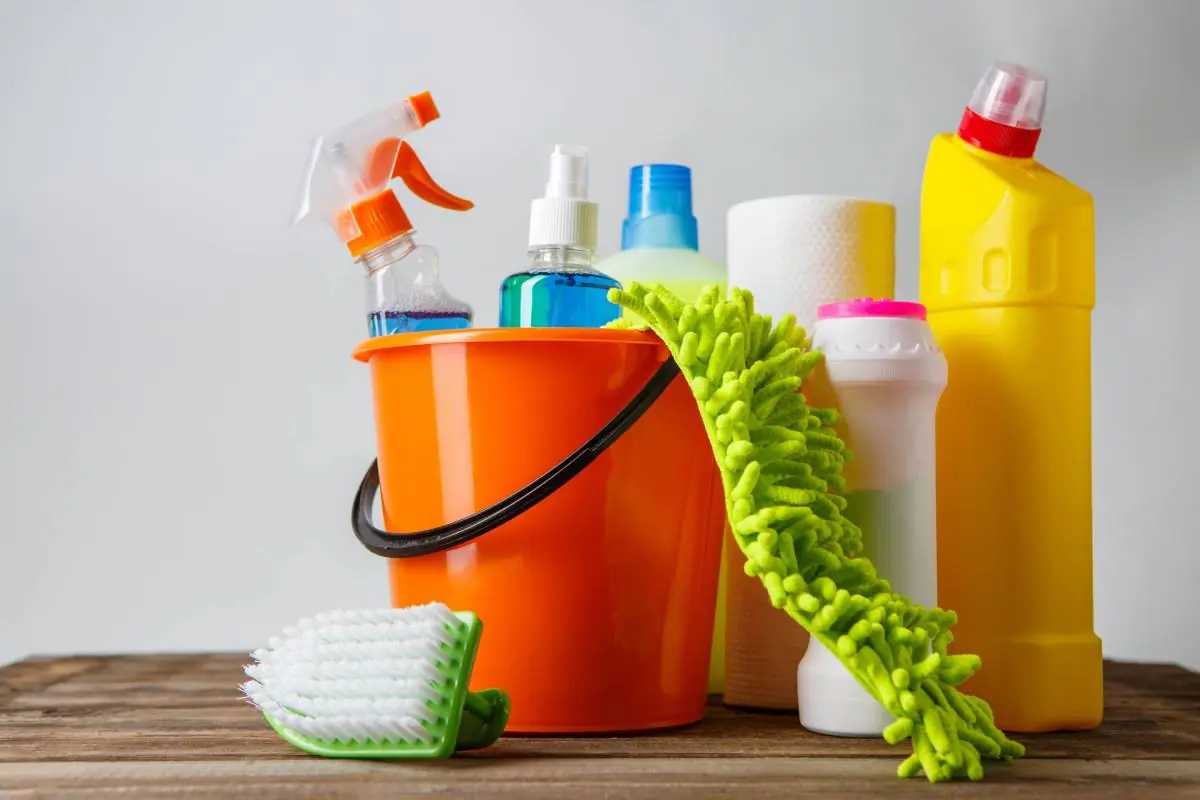
Chapter 2: Cleaning Products—When a Clean Home Comes With Unwanted Chemical Exposure
Cleaning products are among the most common sources of chemical exposure inside homes. They help remove grease, disinfect surfaces, eliminate stains, and keep kitchens, bathrooms, and other areas hygienic. However, some cleaning products can release fumes or airborne particles that may irritate the eyes, nose, throat, and respiratory tract.
Products such as bleach, ammonia-based cleaners, bathroom sprays, oven cleaners, disinfectants, and certain degreasers may contain ingredients that can produce irritating vapors. When these products are sprayed, poured, mixed, or used in poorly ventilated rooms, people may inhale chemicals that cause temporary discomfort or respiratory symptoms.
For example, a person cleaning a small bathroom with several chemical products may notice burning in the nose, coughing, watery eyes, or a feeling of tightness in the chest. These reactions can occur because the respiratory system is responding to irritating substances in the air. People with asthma may experience more severe reactions, including wheezing or an asthma flare.
One of the most important cleaning safety rules is to never mix household chemicals unless the product label specifically states that the combination is safe. Certain combinations can produce dangerous gases.
Bleach, for example, should never be mixed with ammonia-containing cleaners. The combination can release toxic chloramine gases. Bleach should also never be mixed with acidic products, including some toilet cleaners or descaling products, because this can release chlorine gas. Both situations can lead to serious respiratory irritation and potentially dangerous exposure.
Many people assume that combining cleaning products makes them more powerful. In reality, mixing chemicals can create substances that are far more hazardous than the individual products themselves. The safest approach is to use one product at a time, follow the label carefully, and rinse surfaces when the instructions recommend it before using another cleaner.
Another concern is the use of spray products. Sprays can create tiny droplets that remain suspended in the air long enough to be inhaled. When possible, using a liquid cleaner applied directly to a cloth may reduce the amount of product released into the air compared with spraying it broadly throughout a room.
Ventilation is equally important. When cleaning, open windows or doors when outdoor conditions allow. Use an exhaust fan, particularly in bathrooms and kitchens. Avoid spending long periods in a small enclosed room while strong cleaning chemicals are being used.
Protective gloves can help reduce skin exposure, but they do not prevent inhalation. If a product produces strong fumes, gloves alone are not sufficient protection. The best strategy is to reduce the amount of chemical released, increase ventilation, and avoid unnecessary exposure.