People with asthma, allergies, or chronic respiratory conditions may want to choose products labeled fragrance-free or designed for sensitive users. However, terms such as "natural" or "eco-friendly" do not automatically mean that a product cannot irritate the lungs. Ingredients and usage instructions matter more than marketing language.
A clean home should not require breathing in strong chemical fumes. By using cleaning products carefully, avoiding dangerous mixtures, and allowing fresh air to circulate, people can maintain household hygiene while reducing unnecessary irritation to their respiratory system.
And cleaning chemicals are not the only products that can change the air inside a room. Even something used to create a relaxing atmosphere may contribute to indoor pollution.
Chapter 3: Scented Candles—Relaxing Atmosphere, but What Is in the Air?
Scented candles are popular because they can make a room feel warm, comfortable, and inviting. Many people light them while relaxing, reading, taking a bath, or preparing for bedtime. Their fragrances may evoke memories, reduce the feeling of stress, or simply make a home smell pleasant.
However, burning a candle is also a combustion process. When a flame burns, it consumes oxygen and produces combustion byproducts. Depending on the candle's composition, the wick, the fragrance ingredients, and the conditions in which it burns, candles can release particles and gases into indoor air.
The amount of pollution produced varies. A candle burning in a large, well-ventilated room is not equivalent to several candles burning in a small closed bedroom. Still, people who regularly burn candles for long periods may benefit from considering how much smoke and fragrance they are introducing into their indoor environment.
Some candles produce visible smoke, particularly when the wick is too long, the flame is disturbed, or the candle is extinguished improperly. Smoke contains particles that can irritate the respiratory tract. Fragrance compounds may also trigger symptoms in people who are sensitive to perfumes or scented products.
Possible symptoms include coughing, sneezing, a scratchy throat, watery eyes, headache, or discomfort when breathing. People with asthma or other respiratory conditions may notice that scented candles make their symptoms worse. These reactions do not necessarily mean that a candle has permanently damaged the lungs, but they can indicate that the person's airways are reacting to the emissions.
The risk can be reduced through several practical steps.
First, avoid burning multiple candles at the same time in a small room. More candles generally mean more emissions. Second, keep the wick trimmed according to the manufacturer's instructions. A wick that is excessively long can contribute to a larger flame and increased smoke. Third, avoid burning candles in rooms with poor ventilation, particularly bedrooms where people may remain for extended periods.
If a candle begins producing visible smoke, extinguish it safely and investigate the cause. Do not leave candles burning unattended, and keep them away from curtains, bedding, paper, and other combustible materials.
People who experience respiratory irritation from fragrances may want to choose unscented candles or avoid burning candles altogether. Unscented candles may still produce combustion particles, so the absence of fragrance does not eliminate all emissions. Alternatives such as battery-operated candles can create a similar visual atmosphere without a flame or combustion-related emissions.
It is also worth remembering that fragrance is not necessary for a room to feel comfortable. Natural ventilation, clean surfaces, fresh bedding, and a pleasant temperature can contribute to a relaxing environment without introducing additional scented products.
Candles are not automatically harmful every time they are used. The important factors are frequency, duration, ventilation, and individual sensitivity. Occasional use in a well-ventilated space may be very different from burning several candles every evening in a sealed room.
The next household item is designed to make indoor spaces smell fresh. Yet, in some circumstances, it can add another layer of airborne chemicals rather than improve the actual quality of the air.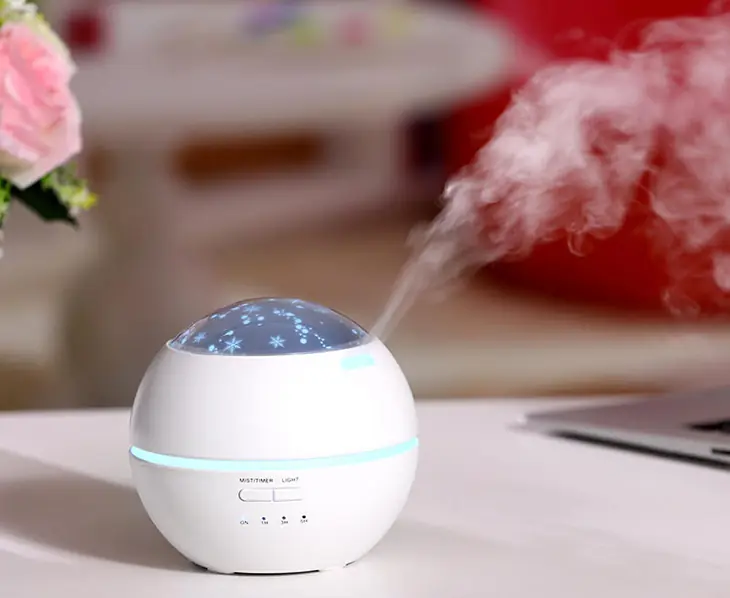
Chapter 4: Air Fresheners and Fragrance Sprays—Masking Odors Is Not the Same as Cleaning the Air
Air fresheners are widely used in bathrooms, bedrooms, living rooms, kitchens, cars, and offices. They come in many forms, including aerosol sprays, plug-in devices, scented gels, reed diffusers, automatic dispensers, and fragrance-based products designed to release odors continuously.
Their purpose is straightforward: make a space smell more pleasant. But an air freshener generally does not remove the source of an odor. Instead, it may mask the smell or introduce another fragrance into the environment.
Some air fresheners release volatile organic compounds, commonly known as VOCs. VOCs are chemicals that can evaporate into the air at room temperature. The specific compounds and concentrations vary considerably between products. Some VOCs can irritate the eyes, nose, throat, or respiratory system, especially when exposure occurs in enclosed spaces.
Fragrance ingredients may also cause symptoms in people who are sensitive to particular chemicals. These symptoms can include coughing, headaches, sneezing, throat irritation, or breathing discomfort. People with asthma may find that certain fragrance products trigger symptoms even when other people in the same room feel completely comfortable.
A common mistake is using several fragrance products at once. Someone might use a scented floor cleaner, a plug-in air freshener, a scented candle, and a spray deodorizer in the same room. Each product may contribute additional compounds to the indoor air. Although individual products may be used according to their instructions, the combined exposure can make the environment more irritating for sensitive people.