The final item on this list is different from the others. Instead of releasing fragrance or chemical vapors, it may produce pollutants as a result of burning fuel. In some homes, it can be one of the more important sources of indoor air pollution.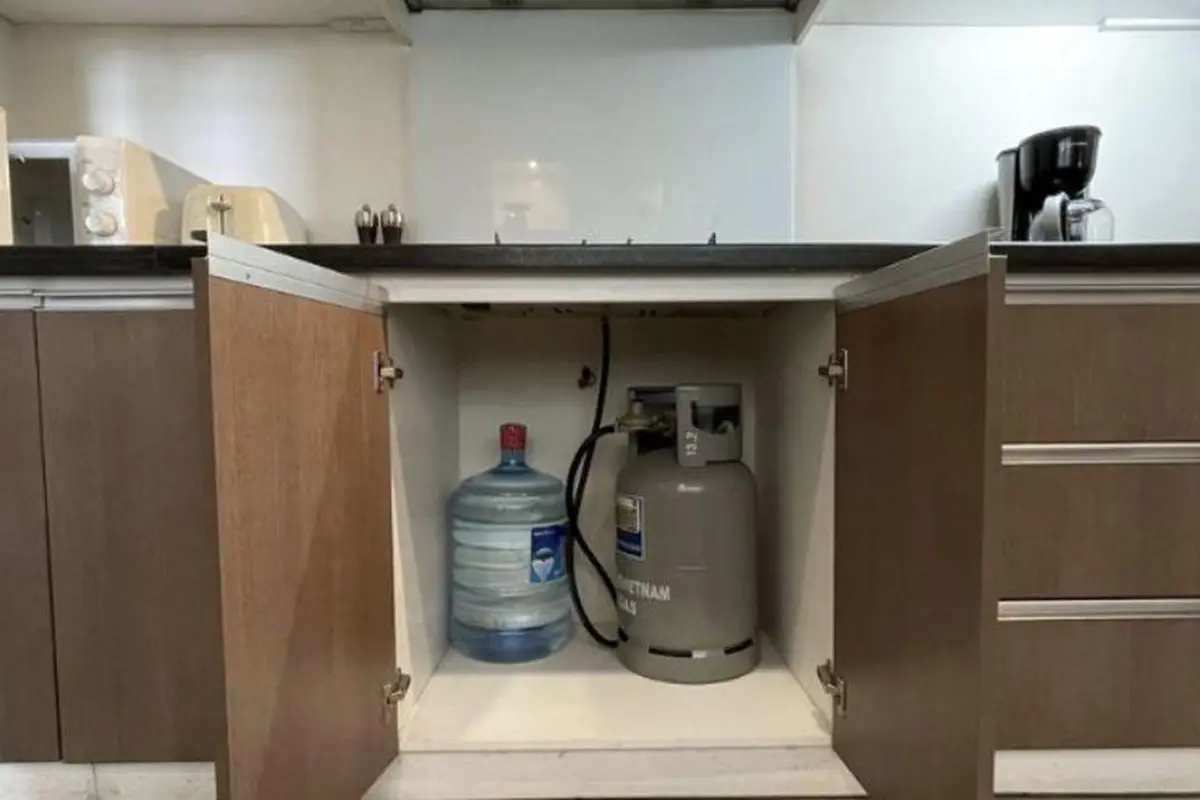
Chapter 6: Gas Stoves, Heaters, and Other Combustion Sources
Cooking and heating are essential activities in many homes, but appliances that burn fuel can produce pollutants. Depending on the appliance, fuel, installation, maintenance, and ventilation, combustion may release nitrogen dioxide, carbon monoxide, particulate matter, and other substances into indoor air.
Gas stoves are a familiar example. They can produce nitrogen dioxide during combustion, and this pollutant may irritate the respiratory system. Concentrations can become higher when cooking occurs in a poorly ventilated kitchen, especially when several burners are used or when the stove operates for an extended period.
People with asthma or other respiratory conditions may be more sensitive to nitrogen dioxide and other combustion-related pollutants. Some research has associated exposure to indoor combustion pollutants with respiratory symptoms, particularly among children and people with asthma. However, the level of risk depends on the circumstances, and not every gas stove produces the same amount of pollution under all conditions.
Cooking itself can also create airborne particles. Frying, grilling, searing, and cooking at high temperatures can release smoke, grease particles, and other emissions regardless of whether the stove uses gas or electricity. Burning food may produce additional smoke and irritating substances.
Ventilation is therefore important during cooking.
If a kitchen has a range hood that vents outdoors, use it whenever possible, especially during frying, grilling, or cooking over high heat. Turn it on before cooking begins and allow it to continue running afterward according to the manufacturer's guidance. If there is no range hood, opening windows or using other ventilation methods may help when outdoor conditions permit.
Avoid using a gas stove or oven as a source of home heating. Appliances designed for cooking are not necessarily safe or appropriate for heating an indoor space. Improper use can increase exposure to combustion pollutants and create fire or carbon monoxide risks.
Fuel-burning heaters, fireplaces, and other combustion appliances should be installed, maintained, and used according to manufacturer instructions. Chimneys and vents should be inspected when appropriate, and indoor carbon monoxide detectors should be installed according to local safety recommendations.
Carbon monoxide is especially dangerous because it is colorless and odorless. Exposure can cause headache, dizziness, weakness, nausea, confusion, and, at high levels, loss of consciousness or death. If a carbon monoxide alarm sounds or multiple people develop unexplained symptoms in the same environment, leave the building immediately and seek emergency assistance.
Never ignore a malfunctioning appliance, unusual combustion behavior, persistent soot, or a suspected exhaust problem. These signs may indicate that the appliance requires professional inspection.
The key is not to panic about using cooking or heating appliances. Instead, maintain them properly, use ventilation, avoid unsafe practices, and ensure that carbon monoxide detection is in place.
With the five household items now covered, the next question is how to create a practical routine that protects indoor air quality without turning everyday life into a complicated process.
Conclusion: Small Changes at Home Can Make a Meaningful Difference
Many household products are designed to make daily life easier, more comfortable, and more hygienic. Cleaning products help remove dirt and germs. Candles create a relaxing atmosphere. Air fresheners make rooms smell pleasant. Cooking and heating appliances allow people to prepare meals and stay warm. These products are not automatically dangerous, and there is no need to fear ordinary household activities.
However, how these products are used matters.
Cleaning chemicals can irritate the respiratory system, particularly when used in enclosed spaces or mixed incorrectly. Scented candles may release combustion particles and fragrance compounds. Air fresheners can introduce additional chemicals into indoor air. Mold can grow when moisture problems are ignored. Fuel-burning appliances can produce pollutants that require proper ventilation and maintenance.
The most effective way to protect indoor air is to make simple, consistent changes: use products according to their instructions, avoid dangerous chemical mixtures, ventilate when appropriate, reduce unnecessary fragrance, control moisture, maintain appliances, and address odors at their source.
For people with asthma, allergies, COPD, or other respiratory conditions, paying attention to indoor triggers may be especially helpful. If symptoms repeatedly occur in certain rooms or after specific activities, identifying and reducing the exposure may improve comfort.
At the same time, persistent coughing, wheezing, chest tightness, or shortness of breath should not automatically be blamed on household products. These symptoms can have many causes, and medical evaluation may be necessary.
A healthy home is not one that smells like a cleaning product or fragrance. It is one where the air is reasonably clean, moisture is controlled, appliances are maintained, and unnecessary irritants are kept to a minimum.
Sometimes, protecting your lungs begins with something surprisingly simple: opening a window when appropriate, turning on the exhaust fan, using fewer sprays, avoiding chemical mixtures, or removing a product that consistently makes you cough.
These small habits may seem insignificant individually, but together they can help create a more comfortable indoor environment—and a home where breathing feels a little easier every day.