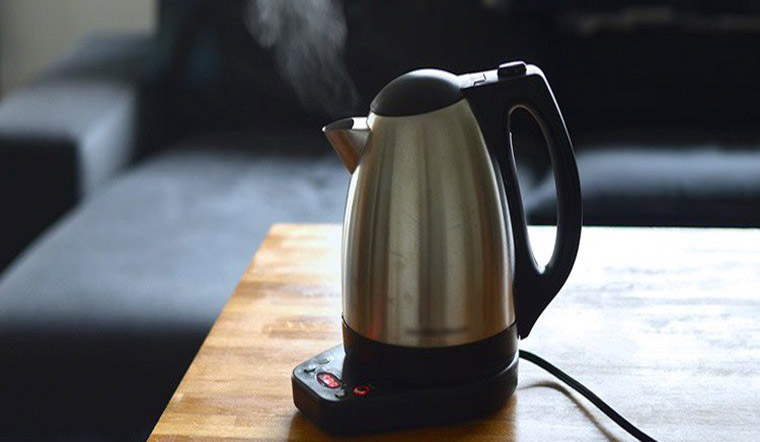
Electric kettles are now a staple in nearly every household. They boil water faster than traditional stovetop methods, are convenient, and save time on busy days. However, despite how simple they seem to use, many people unknowingly make mistakes that reduce the kettle’s lifespan and may even pose risks to their health.
Below are five common errors that 9 out of 10 households make when using an electric kettle, along with explanations and safer alternatives.
1. Buying Just Any Electric Kettle Without Checking the Material
Most people assume that as long as a kettle can boil water, it is good enough - especially the inexpensive ones. However, the material of the kettle plays a crucial role in safety and durability.
Why material matters:
The safest and most reliable choice is 304-grade stainless steel, known for its:
-
High resistance to corrosion
-
Ability to withstand high temperatures
-
Safety when in contact with boiling water
Cheaper kettles may be made from low-quality metal or questionable alloys that could leach harmful substances into your water over time.
Recommendation:
Always check the product label or description. Ensure the kettle is made of 304 stainless steel, high-quality borosilicate glass, or certified food-safe materials.
2. Overfilling the Kettle - Ignoring the Maximum Water Line
A common habit in many households is filling the kettle all the way to the top. This is a dan.gerous practice.
Risks of overfilling:
-
Boiling water may spill over the edge
-
Water can drip into the electrical base, increasing the risk of short circuits
-
Steam buildup can damage internal components
-
Increased pressure may trigger early automatic shutoff
Every kettle has a MAX line printed inside. Exceeding this line compromises safety and performance.
Recommendation:
Fill the kettle only to the recommended level to ensure safe boiling and protect both your appliance and your home.
3. Turning on the Kettle Before Adding Water
This is one of the most damaging habits, often done out of hurry or distraction.
Why it’s dangerous:
When the heating element runs with no water (dry boiling):
-
The kettle overheats instantly
-
It stresses the thermostat and heating coil
-
It can cause burning smells, internal damage, or even fire hazards
Although many modern kettles include a dry-boil safety feature, repeatedly relying on it significantly shortens the appliance’s lifespan.
Recommendation:
Always make sure water is inside the kettle before placing it on the base and turning it on.
Also, check that the base is dry - moisture under the kettle can lead to electrical damage.
4. Pouring Out All the Water Immediately After Boiling
Most people pour out every last drop of hot water after the kettle finishes boiling. While this seems hygienic, it can actually stress the thermostat.
How this causes damage:
After boiling, the base of the kettle is extremely hot. Pouring out all the water immediately leaves the heating plate exposed to air instead of being cooled by a thin layer of water.
This can cause:
-
Rapid heat loss and temperature shock
-
Drying or weakening of the thermostat contacts
-
Faster wear and tear
Recommendation:
Leave a small amount of water inside and pour it out later during your next refill. This helps the kettle cool down more naturally and prolongs its lifespan.:quality(75)/2023_6_20_638228652954341575_am-sieu-toc-co-ton-dien-khong-0.jpg)
5. Not Cleaning the Kettle Regularly
Over time, minerals in the water form limescale at the bottom and sides of the kettle. Many households ignore this until the buildup becomes thick and yellowish.
Why limescale is harmful:
-
It affects the taste and purity of your water
-
Reduces heating efficiency
-
Forces the kettle to work harder, consuming more electricity
-
May lead to overheating and shorten appliance life
-
Can introduce impurities into your drinking water
How to clean it effectively:
One of the simplest and safest methods is using white vinegar.
Cleaning Steps:
-
Add white vinegar and water to the kettle (ratio 1:1).
-
Turn on the kettle and bring the mixture to a boil.
-
Leave it for 10–15 minutes to loosen the scale.
-
Pour out the liquid and rinse thoroughly.
-
Wipe the interior with a soft cloth.
Vinegar dissolves mineral deposits because its acidic nature neutralizes alkaline limescale, making it easy to remove.
Final Thoughts
Electric kettles are simple devices, but misuse can lead to electrical hazards, poor water quality, and shortened appliance lifespan. By avoiding the five common mistakes above and maintaining your kettle properly, you can ensure:
-
Safer boiling
-
Cleaner drinking water
-
Lower electricity consumption
-
Longer appliance life
A little extra care goes a long way in protecting both your health and your home.