
A Wrist Bump Could Have Several Causes—Here's What to Know
Could That Wrist Lump Be a Ganglion Cyst? Here's What Doctors Say
Health 06/07/2026 11:17
Cold and flu season often brings familiar symptoms such as a sore throat, cough, nasal congestion, fever, fatigue, and body aches. While there is no food that can cure the common cold or influenza, eating nutritious foods and staying well hydrated can help support your body's recovery and make you feel more comfortable while your immune system does its job.
When you're feeling unwell, your appetite may decrease, but your body still needs energy, fluids, vitamins, minerals, and protein to recover. Choosing easy-to-digest, nutrient-rich foods can help you stay nourished during this time.
Here are six healthy foods that may help relieve common cold and flu symptoms and support your recovery.

Chicken soup has been a traditional comfort food for generations—and for good reason.
A warm bowl of soup provides:
Fluids to help maintain hydration
Protein from chicken
Vitamins and minerals from vegetables
Warm steam that may temporarily ease nasal congestion
The warmth of the broth may also soothe a sore throat and make swallowing more comfortable.
Adding vegetables such as carrots, celery, onions, and spinach increases the soup's nutritional value.
Choose lower-sodium broth when possible, especially if you need to limit salt intake.
Oranges, grapefruit, lemons, limes, and mandarins are excellent sources of vitamin C.
Vitamin C contributes to:
Normal immune function
Collagen production
Antioxidant protection
Wound healing
Although vitamin C does not prevent most colds or cure them once they begin, maintaining adequate intake supports the normal functioning of the immune system.
Fresh citrus fruits also provide water and natural sweetness, making them refreshing when your appetite is low.
Ginger has been used in cooking and traditional wellness practices for centuries.
Many people enjoy ginger because it may help:
Soothe occasional nausea
Warm the body with its spicy flavor
Support digestive comfort
Fresh ginger can be added to:
Herbal tea
Soup
Stir-fries
Smoothies
Some laboratory studies have explored ginger's anti-inflammatory and antioxidant properties, but more research is needed to understand its role during respiratory illnesses.
Plain yogurt contains protein along with calcium and, in many cases, live bacterial cultures known as probiotics.
Probiotics are being studied for their role in supporting gut health, and because the immune system and gut are closely connected, maintaining a healthy digestive system is important for overall wellness.
When choosing yogurt:
Select plain or low-sugar varieties.
Add fresh fruit for natural sweetness if desired.
If dairy products seem to worsen your personal symptoms, choose another nutritious option instead.

Garlic is a flavorful ingredient that contains sulfur-containing compounds such as allicin.
Researchers continue to study garlic for its potential antimicrobial and antioxidant properties.
Although garlic has a long history of traditional use, it should not be considered a treatment for colds or influenza.
Adding garlic to soups, roasted vegetables, or other meals is an easy way to enhance flavor while contributing beneficial nutrients to your diet.
When you're sick, heavy meals may feel unappealing.
Oatmeal is warm, soft, and easy to digest.
It provides:
Complex carbohydrates for energy
Soluble fiber
Iron
Magnesium
B vitamins
You can make oatmeal more nutritious by adding:
Sliced banana
Blueberries
Chopped nuts
Ground flaxseed
Cinnamon
This combination provides steady energy without being difficult to eat.
One of the most important parts of recovering from a cold or the flu is staying hydrated.
Fever, sweating, and reduced appetite can increase your risk of dehydration.
Good hydration supports:
Temperature regulation
Circulation
Mucus production
Overall body function
Healthy choices include:
Water
Herbal tea
Clear broth
Oral rehydration solutions if recommended
Diluted fruit juice in moderation
Try sipping fluids regularly, even if you don't feel thirsty.
Honey is a popular home remedy for sore throats and coughs.
Some research suggests that honey may help reduce nighttime coughing in children over one year of age and soothe throat irritation.
However:
Never give honey to infants under 12 months because of the risk of infant botulism.
Honey is not a substitute for medical treatment when symptoms are severe.
Adding a small amount of honey to warm tea may provide temporary comfort for adults and older children.
Certain foods may not be the best choice when you're recovering.
These include:
Highly processed snacks
Sugary beverages
Excessive alcohol
Very greasy or fried foods
Foods that upset your stomach
Instead, focus on simple, nourishing meals that are easy to tolerate.
Nutrition is only one part of getting better.
To support recovery:
Sleep gives your body time to recover and supports normal immune function.
Drink fluids throughout the day, especially if you have a fever.
If you have influenza, your healthcare provider may recommend antiviral medication in some cases, particularly if you are at higher risk of complications.
Take medications only as directed.
Frequent handwashing helps reduce the spread of viruses to others.
Limiting contact with others helps prevent the spread of respiratory infections.
Seek medical attention if you experience:
Difficulty breathing
Chest pain
Persistent high fever
Confusion
Severe dehydration
Symptoms that improve and then suddenly worsen
Fever or respiratory symptoms in infants, older adults, or people with weakened immune systems that are concerning
Prompt medical care is especially important for individuals at higher risk of serious complications.
Fact: Vitamin C supports immune function but does not cure colds.
Fact: Garlic contains beneficial compounds, but it has not been proven to cure viral respiratory infections.
Fact: While your appetite may decrease, eating nutritious foods when you can tolerate them helps support recovery.
Fact: Recovery depends on your immune system, adequate rest, hydration, proper nutrition, and, in some cases, appropriate medical treatment.
When you're recovering from a cold or the flu, your body benefits from foods that are nourishing, easy to digest, and rich in essential nutrients. Chicken soup, citrus fruits, ginger, yogurt, garlic, and oatmeal can all contribute to hydration, energy, protein, vitamins, minerals, and comfort while your immune system works to fight the infection.
Although these foods cannot cure a cold or influenza, they can help you stay nourished and feel more comfortable during recovery. Combined with plenty of fluids, adequate rest, good hygiene, and medical care when needed, these healthy choices can support your body as it returns to full strength.
Could That Wrist Lump Be a Ganglion Cyst? Here's What Doctors Say

8 Symptoms That Could Signal Your Blood Oxygen Is Too Low

She Never Expected a Sore Throat to Lead Here—Doctors Reveal 2 Foods They Recommend Cutting Back On

If You Think Salmon Is the “King of DHA”, Think Again — This Fish Is the Real Champion

Shoulder Symptoms May Be an Early Warning Sign of Liver Cancer — What You Need to Know

Eating Avocados Every Day? Here's What Doctors Say Could Happen 👇
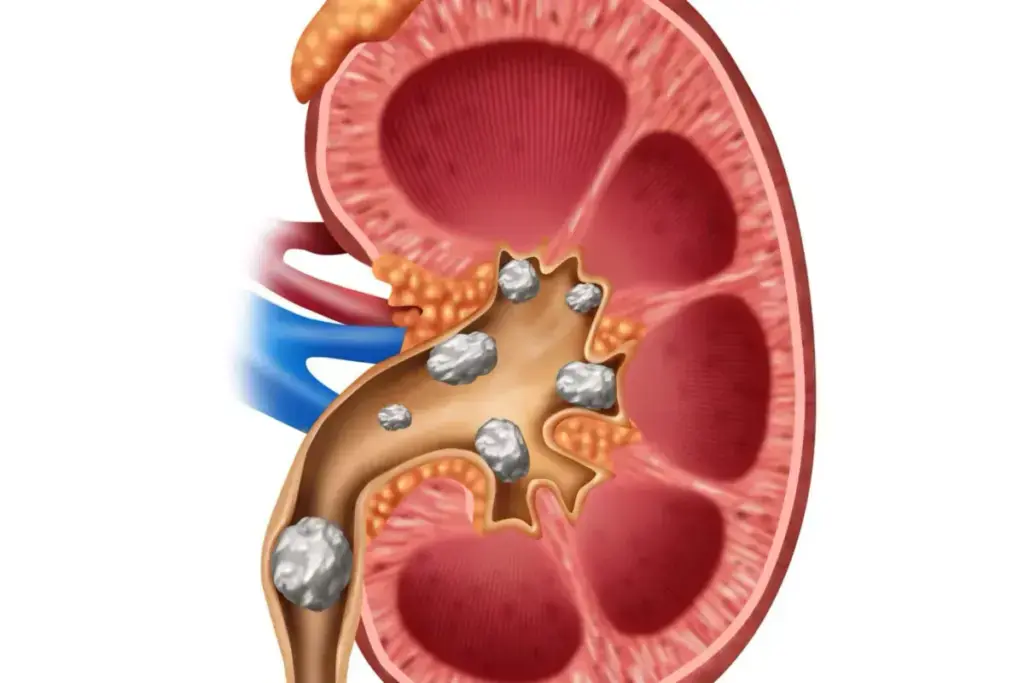
👀 These 5 Warning Signs Could Mean Kidney Stones Are Developing

Doctors Explain the Health Effects of Ginger That Many People Don't Know 👇

The Hidden Benefits—and Possible Risks—of Ginger, According to Doctors 👇

The Best Ways to Treat Nerve Pain in the Feet, Toes, and Legs

😲 Before You Eat Sweet Potatoes Again, Read These 10 Eye-Opening Facts
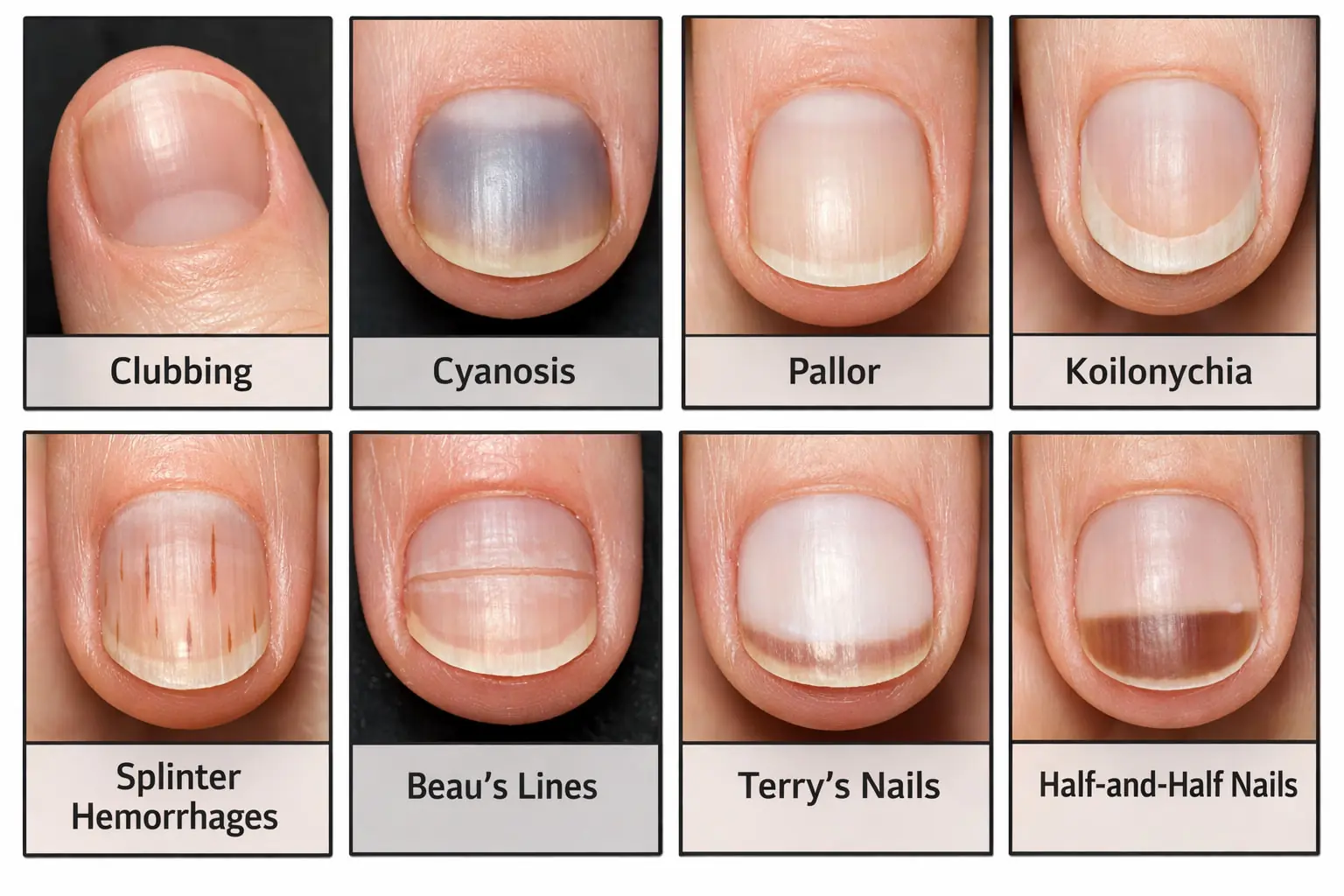
The Hidden Meaning Behind Lines and Ridges on Your Nails

This Common Shower Habit May Not Be as Harmless as It Seems

7 Arthritis Symptoms That Often Start as "Just Joint Pain"

Visible hand veins may be harmless—or a clue to changes in your body.

Frequent drooling during sleep may signal hidden health issues worth checking.

A sagging neck may reflect natural aging, lifestyle habits, and skin changes.

Protect your kidneys before it's too late—recognize these hidden red flags.

The Breakfast Combo Nutrition Experts Love: Eggs and Sweet Potatoes 🍳🍠
Could That Wrist Lump Be a Ganglion Cyst? Here's What Doctors Say
8 Symptoms That Could Signal Your Blood Oxygen Is Too Low

Dogs Use Their Sense of Smell to Learn About You - Here's How
She Never Expected a Sore Throat to Lead Here—Doctors Reveal 2 Foods They Recommend Cutting Back On
If You Think Salmon Is the “King of DHA”, Think Again — This Fish Is the Real Champion
Shoulder Symptoms May Be an Early Warning Sign of Liver Cancer — What You Need to Know
Eating Avocados Every Day? Here's What Doctors Say Could Happen 👇
👀 These 5 Warning Signs Could Mean Kidney Stones Are Developing
Doctors Explain the Health Effects of Ginger That Many People Don't Know 👇
The Hidden Benefits—and Possible Risks—of Ginger, According to Doctors 👇
The Best Ways to Treat Nerve Pain in the Feet, Toes, and Legs
😲 Before You Eat Sweet Potatoes Again, Read These 10 Eye-Opening Facts
The Hidden Meaning Behind Lines and Ridges on Your Nails
This Common Shower Habit May Not Be as Harmless as It Seems
7 Arthritis Symptoms That Often Start as "Just Joint Pain"
Visible hand veins may be harmless—or a clue to changes in your body.
Frequent drooling during sleep may signal hidden health issues worth checking.
A sagging neck may reflect natural aging, lifestyle habits, and skin changes.
Protect your kidneys before it's too late—recognize these hidden red flags.