A Persistent Sore Throat Turned Out to Be Something Far More Serious—2 Foods Doctors Recommend Limiting for Better Long-Term Health
Most sore throats are harmless. They often result from a cold, seasonal allergies, or temporary irritation and improve within a week or two.
But when a sore throat refuses to go away—especially if it lasts longer than two to three weeks—it deserves medical attention. In some cases, a persistent sore throat can be an early warning sign of a more serious condition, including certain head and neck cancers. While cancer is far less common than viral infections, recognizing the warning signs early can make a significant difference in treatment outcomes.
When a Sore Throat Shouldn't Be Ignored
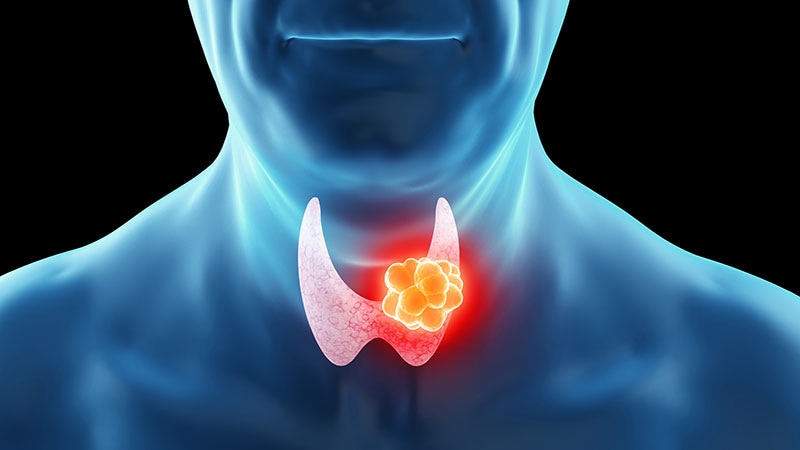
Doctors emphasize that a sore throat lasting more than two weeks, particularly when it doesn't improve with routine treatment, should be evaluated by a healthcare professional. Persistent symptoms don't automatically mean cancer, but they should never be dismissed.
Additional warning signs include:
- Difficulty or pain when swallowing.
- A hoarse voice that doesn't improve.
- A lump in the neck.
- Ear pain without an obvious ear infection.
- Coughing up blood.
- Unexplained weight loss.
- A persistent sore or white/red patch in the mouth.
Many of these symptoms can also be caused by infections or other non-cancerous conditions, which is why an accurate medical evaluation is essential.
Common Risk Factors
Researchers have identified several factors that increase the risk of cancers affecting the throat and other areas of the head and neck.
These include:
- Tobacco use of any kind.
- Heavy alcohol consumption.
- Persistent infection with certain types of HPV (human papillomavirus).
- Some occupational chemical exposures.
- Increasing age and certain lifestyle factors.
Having one or more of these risk factors does not mean someone will develop cancer, but reducing them can lower long-term risk.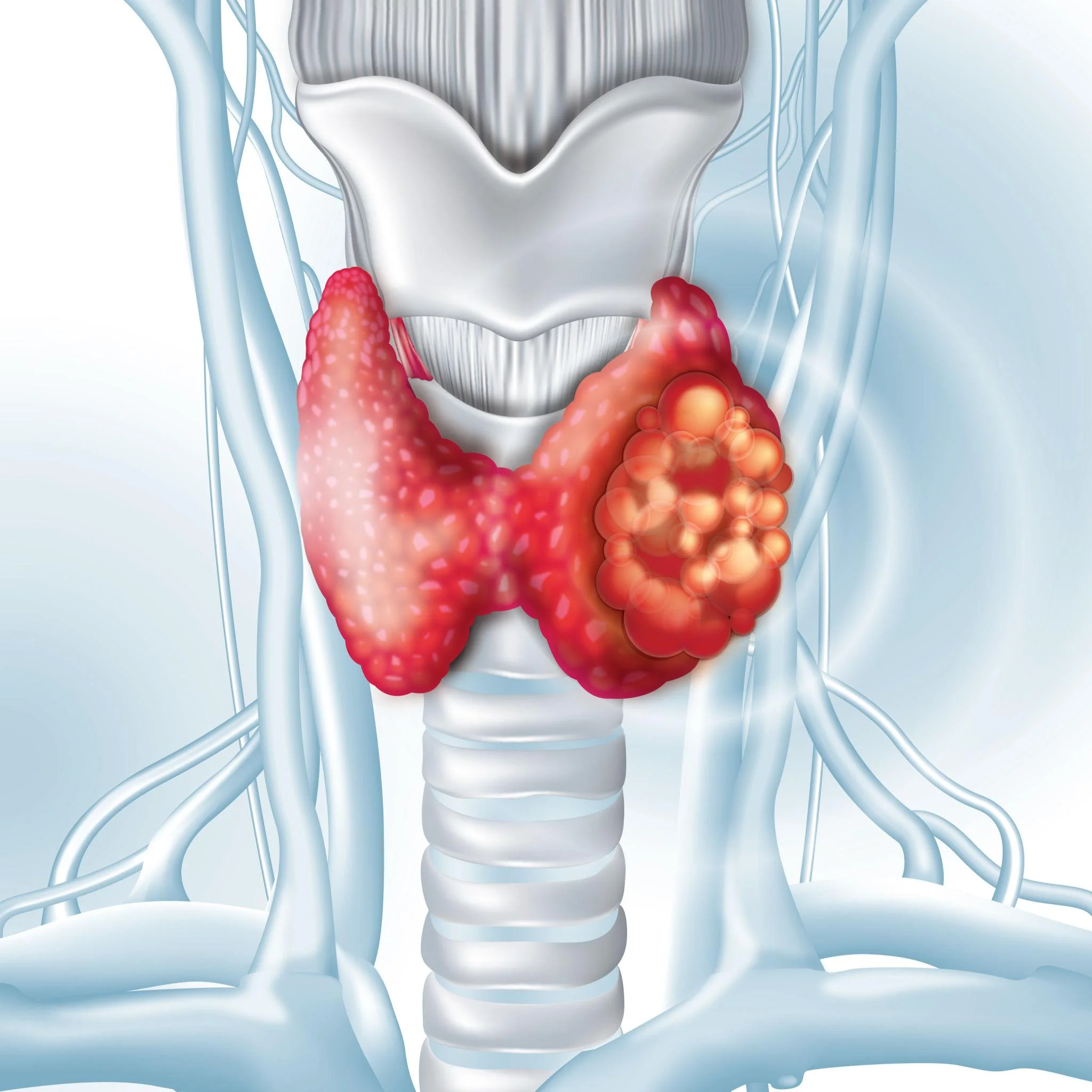
Two Foods and Drinks Doctors Often Recommend Limiting
No single food causes or cures cancer. However, health organizations consistently recommend limiting certain dietary choices because they are associated with poorer long-term health or increased cancer risk.
1. Processed Meats
Processed meats include products such as bacon, sausage, hot dogs, ham, salami, and deli meats that have been preserved through smoking, curing, or added preservatives.
Research has linked frequent consumption of processed meats with an increased risk of several cancers, particularly colorectal cancer. Some studies have also explored possible links with cancers of the mouth and throat, although evidence is less consistent than for colorectal cancer.
This doesn't mean you must eliminate these foods entirely, but experts generally recommend enjoying them only occasionally as part of a balanced diet.
2. Alcohol
Alcohol is one of the strongest lifestyle-related risk factors for cancers of the mouth, throat, voice box, and esophagus.
According to the World Health Organization, even relatively small amounts of alcohol can increase cancer risk, and the risk rises with greater consumption. Both beer, wine, and spirits contain ethanol, which is metabolized into compounds capable of damaging DNA.
For those who drink, reducing alcohol intake can lower long-term cancer risk.
Foods That Support Overall Health
Rather than focusing only on foods to avoid, doctors encourage building an eating pattern that supports overall wellness.
Consider including more:
- Fresh vegetables.
- Fruits rich in antioxidants.
- Whole grains.
- Beans and legumes.
- Fish.
- Nuts and seeds.
- Healthy oils such as olive oil.
These foods provide vitamins, minerals, fiber, and plant compounds that support immune function and overall health.
Other Ways to Reduce Your Risk
Experts also recommend:
- Avoid smoking and secondhand smoke.
- Limit alcohol intake.
- Maintain good oral hygiene.
- Stay physically active.
- Keep a healthy body weight.
- Discuss HPV vaccination with your healthcare provider if appropriate.
- Schedule regular medical and dental checkups.
The Bottom Line
A persistent sore throat is usually not cancer, but it is a symptom worth taking seriously if it lasts more than two weeks or is accompanied by hoarseness, difficulty swallowing, a neck lump, or unexplained weight loss. Early evaluation can help identify the cause and, if necessary, begin treatment as soon as possible.
Likewise, while no food can prevent cancer on its own, limiting processed meats and alcohol—combined with a healthy diet, regular exercise, and avoiding tobacco—can contribute to better long-term health and may reduce the risk of several types of cancer. If you experience persistent symptoms, don't rely on internet advice alone; consult a qualified healthcare professional for a proper diagnosis.