What is Colon Cancer?
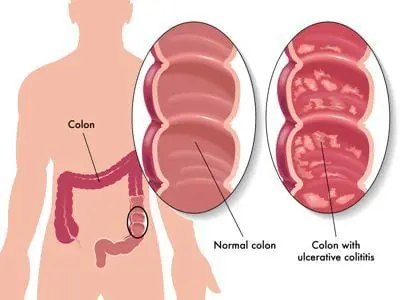
Colon cancer, also known as colorectal cancer, occurs when colon cells divide and grow uncontrollably, forming tumors that locally invade the colon. Over time, these tumors can metastasize to other internal organs.
At stage 1, the tumor has a measurable size, visible to the naked eye. At this stage, the tumor has grown from the mucosa down to the submucosa of the colon. However, it only invades locally and has not yet spread through the lymphatic system or bloodstream.
Colon cancer can affect people of any age or gender. However, several risk factors increase the likelihood of developing the disease, including:
-
Age over 50.
-
Family history of colon, rectal, or bowel cancer.
-
African-American ethnicity.
-
Personal history of cancer, Crohn’s disease, Lynch syndrome, or familial adenomatous polyposis.
-
Colorectal polyps larger than 1 cm.
-
Excessive alcohol and tobacco use.
-
Overweight or obesity.
-
Diet low in fiber but high in fat, calories, red meat, and processed meat.
-
Sedentary lifestyle.
-
Diabetes.
-
History of cancer radiation therapy.
6 Early Signs of Colon Cancer (Stage 1)
The early symptoms of colon cancer may be subtle and difficult to recognize. In some individuals, there may be no signs at all during the early stage.
1. Changes in Bowel Habits
Changes in bowel habits often appear in the early stages but are easily overlooked. Patients may experience lower abdominal pain, a persistent urge to defecate, incomplete bowel movements, chronic constipation, or prolonged diarrhea.
The colon’s main function is to absorb water and electrolytes and store stool until elimination. Tumor growth inside the colon disrupts this process, leading to diarrhea. Constipation can occur when a tumor obstructs stool passage or alters intestinal motility, making bowel movements difficult. Severe cases may result in bowel obstruction.
2. Changes in Stool Characteristics
Stool size and shape often reflect abnormalities in the digestive tract. Narrow or ribbon-like stools may indicate a blockage caused by a tumor, often described as “pencil-shaped stools.” This is an important warning sign to note.
Some early-stage patients may also notice blood in the stool. Additionally, due to changes in bowel habits, stool may appear unusually dry, hard, pellet-like, or loose with mucus and blood.
3. Abdominal Pain
Abdominal pain is a common symptom in patients with digestive problems. In stage 1 colon cancer, pain may occur in different areas, most frequently in the pelvic region. It is often dull, persistent, and does not respond well to standard colon medications.
4. Loss of Appetite and Fatigue
Loss of appetite and fatigue are common digestive symptoms in the early stages of rectal and colon cancer. Patients often underestimate these signs and delay screening.
Possible causes include tumor obstruction, increased blood vessel growth within malignant tissue, and ulcerated tumors that bleed slowly, leading to anemia, weakness, and fatigue.
5. Digestive Disorders
In the early stages, patients may experience vague digestive symptoms such as abdominal pain, bloating, indigestion, decreased appetite, and unusual changes in bowel habits.
6. Unexplained Weight Loss
Unexplained weight loss unrelated to diet or activity level can be a key indicator of cancer, especially gastrointestinal cancers like stomach or colon cancer.
Cancer cells interfere with organ function, forcing the body to use protein reserves to sustain vital organs, thereby depleting energy for other cells. Tumors may also reduce nutrient absorption, leading to muscle loss and severe weight loss.
Signs of Advanced Colon Cancer
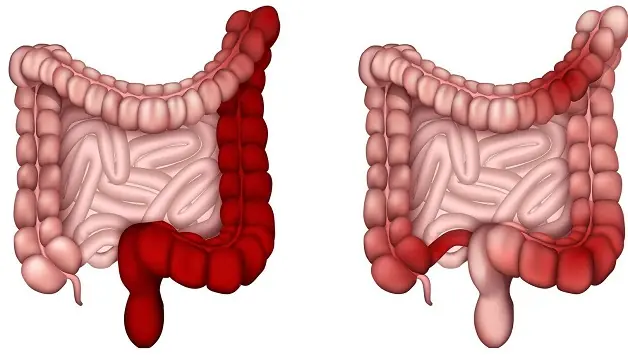
In later stages, symptoms become more obvious and severe as the tumor spreads to other organs. Patients with metastatic colon cancer may present with:
-
Dark blood in stool.
-
Constipation or diarrhea.
-
Pencil-thin stools.
-
Persistent fatigue.
-
Abdominal pain or unexplained bloating.
-
Rapid weight loss.
-
Nausea and vomiting.
Depending on the site of metastasis, additional symptoms may occur.
Can Colon Cancer Be Cured?
Colon cancer can be cured if detected early. The primary treatment is surgical removal of the tumor. However, if diagnosed late or if recurrence occurs, the disease may become fatal.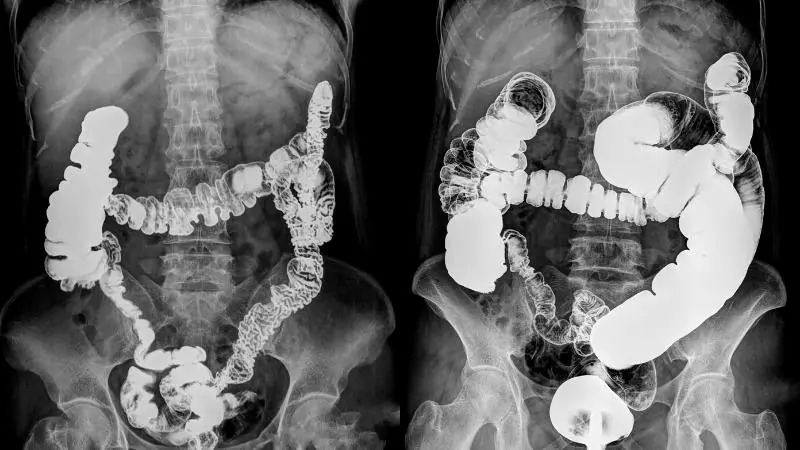
What to Do If You Notice Symptoms
Do not ignore abnormal symptoms, as colon cancer is a serious condition. See a doctor immediately if you experience:
-
Blood in stool.
-
Diarrhea or constipation.
-
Changes in stool size or shape.
-
Abdominal pain or increased lower abdominal activity.
-
Bloating or indigestion.
-
Unintentional weight loss.
-
Fatigue or weakness.
Seek medical evaluation if symptoms persist for more than two weeks or if multiple signs occur simultaneously.
Colon Cancer Screening
Who Should Be Screened?
-
Individuals with a family history of colon cancer.
-
Adults over 40 years old.
-
Patients with a history of colorectal polyps, Crohn’s disease, or other cancers.
Screening & Diagnostic Methods Include:
-
Clinical examination: Medical history, abdominal palpation, and rectal exam.
-
Stool tests: Detect hidden blood (gFOBT or FIT).
-
Blood tests: Complete blood count, liver and kidney function tests.
-
Colonoscopy: A camera-equipped tube to detect tumors or abnormalities.
-
Barium X-ray: Imaging to detect tumors and irregularities.
-
CT scan: Identifies tumor location, size, and spread.
Prevention of Colon Cancer
1. Maintain a Healthy Diet
-
Eat plenty of fruits, vegetables, and whole grains for fiber, vitamins, minerals, and antioxidants.
-
Limit red and processed meats, high-fat, and high-calorie foods.
-
Drinking coffee may lower the risk of colon cancer.
2. Exercise & Weight Control
Obesity and inactivity are risk factors for colon cancer. Regular exercise and maintaining a healthy weight help reduce risk. Aim for at least 30 minutes of moderate exercise daily.
3. Limit Alcohol & Quit Smoking
Reduce alcohol consumption (no more than one drink per day for women, two for men). Quitting smoking protects both yourself and others from cancer-causing chemicals.
4. Regular Check-ups & Screening
Colon cancer often has a hereditary component. If your parents, siblings, or children have had colon cancer or advanced polyps, you should undergo annual screening. Screening is also recommended starting at age 40.
✅ Detecting colon cancer at an early stage significantly improves treatment outcomes and survival rates.