Waking Up With Drool on Your Pillow? These 6 Factors Could Be Responsible
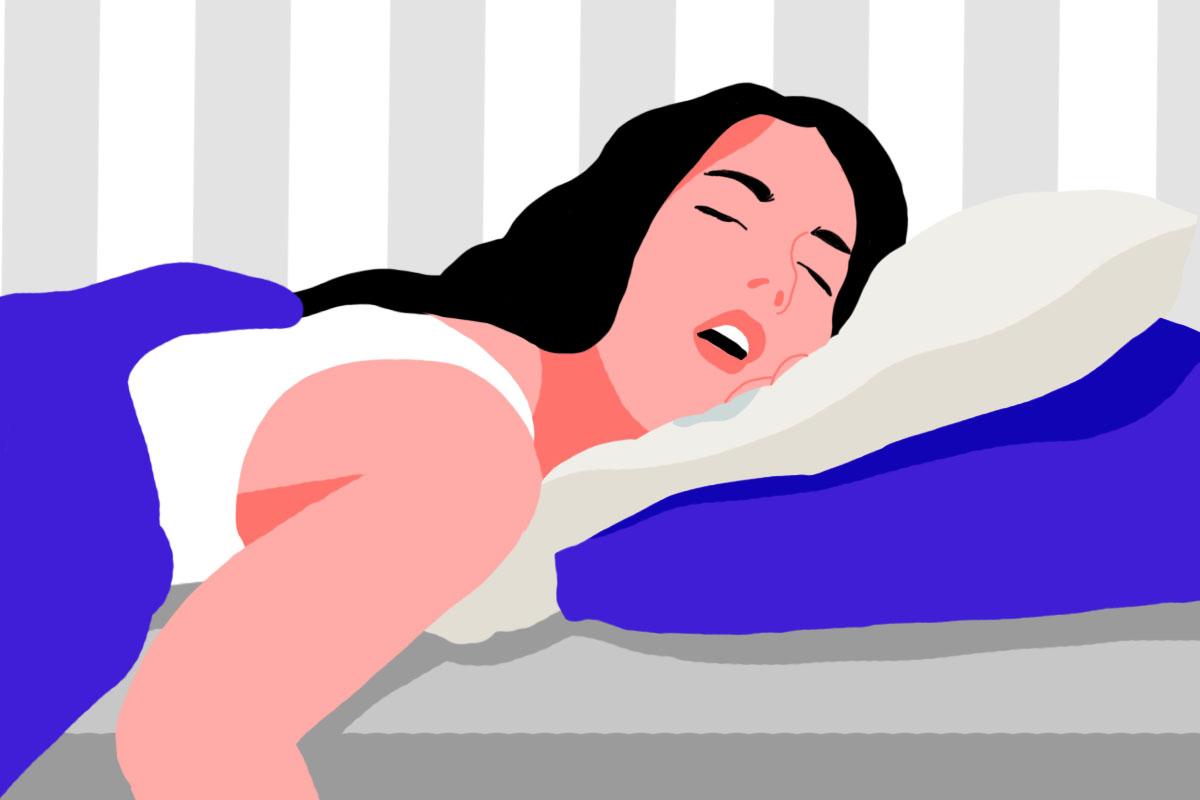
Finding a wet spot on your pillow in the morning can be embarrassing, but occasional drooling during sleep is actually quite common. While it is often harmless, excessive nighttime drooling may sometimes point to an underlying issue that deserves attention.
Saliva plays an important role in keeping your mouth healthy, aiding digestion, and protecting your teeth from harmful bacteria. Even while you sleep, your body continues producing saliva. If that saliva escapes from your mouth instead of being swallowed, you may wake up with drool on your pillow.
Here are six possible reasons why it happens.
1. Your Sleeping Position
One of the most common causes of nighttime drooling is simply the way you sleep.
When you sleep on your side or stomach, gravity makes it easier for saliva to flow out of your mouth and onto your pillow. People who sleep on their backs are generally less likely to experience drooling because saliva tends to remain in the mouth and throat where it can be swallowed more easily.
If you frequently wake up with a wet pillow, changing your sleep position may help reduce the problem.
2. Nasal Congestion and Allergies
A stuffy nose can force you to breathe through your mouth while sleeping.
Whether caused by allergies, a cold, sinus problems, or seasonal congestion, blocked nasal passages often lead to mouth breathing. When your mouth stays open for long periods during sleep, saliva can escape more easily.
Treating nasal congestion may improve airflow and reduce nighttime drooling.
3. Acid Reflux (GERD)
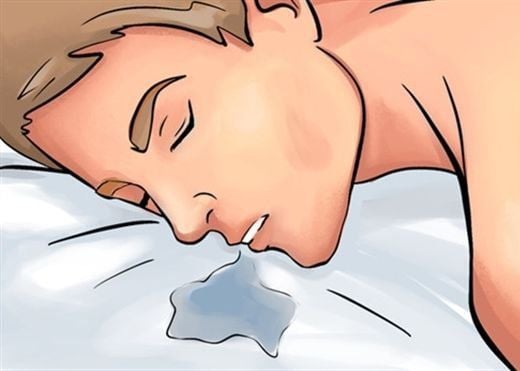
Gastroesophageal reflux disease (GERD) occurs when stomach acid flows back into the esophagus.
This irritation can trigger the body to produce extra saliva as a protective response. Some people with GERD also experience difficulty swallowing, which can contribute to excessive drooling during sleep.
Other common symptoms of GERD include:
- Heartburn
- A sour taste in the mouth
- Chest discomfort
- Frequent throat clearing
4. Sleep Apnea
Sleep apnea is a condition in which breathing repeatedly stops and starts during sleep.
People with obstructive sleep apnea often breathe through their mouths, snore loudly, and experience disrupted sleep. These factors can increase the likelihood of nighttime drooling.
Possible warning signs include:
- Loud snoring
- Morning headaches
- Excessive daytime fatigue
- Waking up gasping for air
If these symptoms sound familiar, a medical evaluation may be worthwhile.
5. Certain Medications
Some medications can increase saliva production as a side effect.
Drugs that have been associated with excessive salivation include certain:
- Antipsychotic medications
- Alzheimer's disease treatments
- Some antibiotics
- Other prescription medications affecting the nervous system
If drooling began after starting a new medication, consult your healthcare provider before making any changes.
6. Neurological Conditions
The nervous system helps control swallowing and facial muscle movements.
Conditions that affect these functions can make it harder for saliva to stay inside the mouth or be swallowed properly. Examples include:
- Parkinson's disease
- Stroke
- Multiple sclerosis (MS)
- Cerebral palsy
- Amyotrophic lateral sclerosis (ALS)
In these situations, excessive drooling is often related to impaired swallowing rather than increased saliva production.
When Should You See a Doctor?
Occasional drooling during sleep is usually nothing to worry about.
However, consider speaking with a healthcare professional if drooling:
- Suddenly becomes excessive
- Interferes with sleep quality
- Occurs along with difficulty swallowing
- Is accompanied by snoring or breathing problems
- Causes choking, coughing, or frequent nighttime awakenings
Persistent drooling can sometimes be a clue that an underlying condition needs attention.
The Bottom Line
For many people, drooling during sleep is simply the result of sleeping position or temporary nasal congestion. However, frequent or excessive drooling may occasionally be linked to conditions such as sleep apnea, acid reflux, medication side effects, or neurological disorders.
If you find yourself waking up with a wet pillow every morning, paying attention to other symptoms and discussing them with a healthcare professional can help determine whether the cause is harmless—or something worth investigating further.